

•••
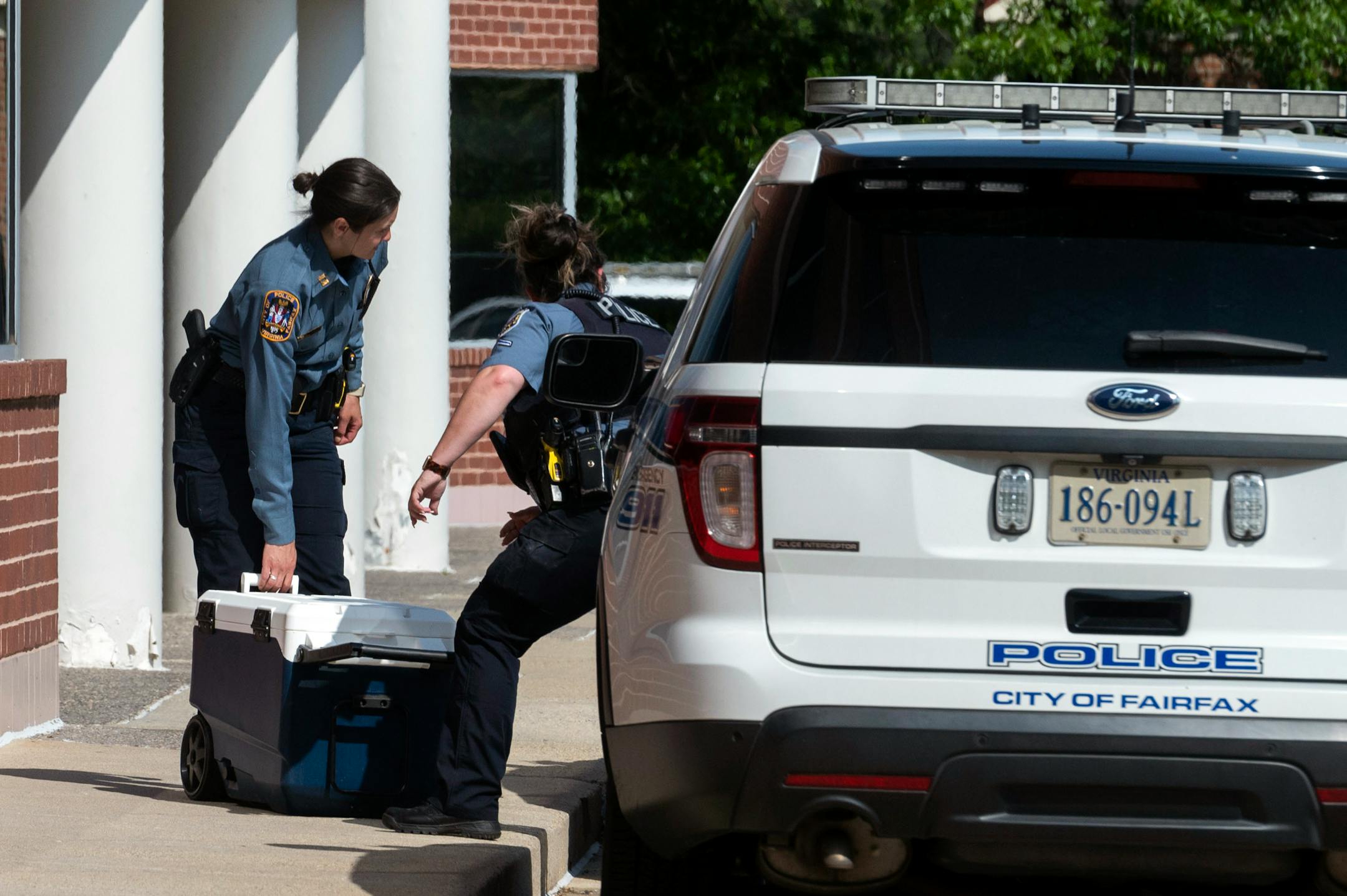
When I saw the Star Tribune article ("Hate crime added to Va. charges," May 17) about a man clubbing two congressional staffers in Virginia, I scanned down for the paragraph I suspected I would find. Xuan-Kha Tran Pham's father said his son was diagnosed with schizophrenia in his late teens, and he had been trying without success to arrange mental health care for him. The son refused to appear in court, so a judge read the four counts against him by video while he huddled under a blanket in his cell. I read further for the sentence I also suspected I would find. "At this time it is not clear what the suspect's motivation may have been," police said.
Really! Is this the best we can do for people with schizophrenia and their families?! Putting up innumerable barriers against them getting care if they won't do so voluntarily, but then pounce when they are finally delusional enough to commit a crime? Unlike people with other mental illnesses, most people with schizophrenia have anosognosia, a brain condition that leads them to believe they are not sick, so they will not seek care.
Our Minnesota civil commitment statute is deemed best in the nation by the Virginia-based Treatment Advocacy Center, but we are not as superior as we should be. We are like all other states, with jails and prisons filled with way too many people with serious mental illnesses. Would we treat those suffering from Alzheimer's this way?
Mindy Greiling, Roseville
The writer is a retired state legislator.
•••

