

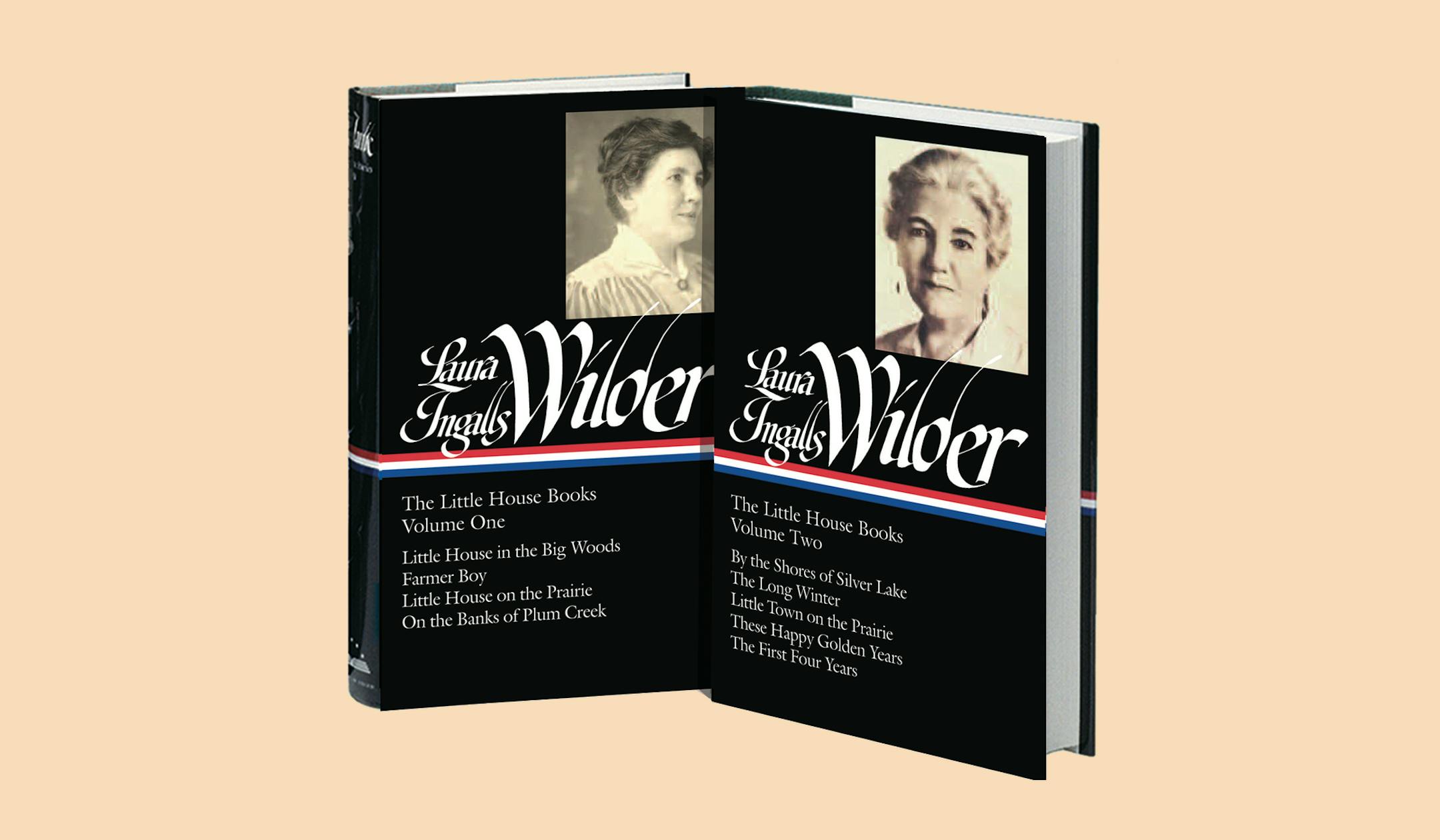
People of color and indigenous people have suffered terrible and unacceptable treatment since the founding of our nation. The writings of Laura Ingalls Wilder (perhaps written by her daughter?) contain a few sad reminders of that treatment. That said, some of the suggestions by Jessica Mork for teaching young people about the history of racism and racist slurs ("Breaking down the arguments against removing Laura Ingalls Wilder's name from a literary award," June 27) are simply unrealistic.
I am a history buff. I have also raised four children and now have seven grandchildren. I think I have a pretty good understanding of the likes and dislikes of children. I have also read "Guns, Germs and Steel," which she recommends as an alternative for a "fictionalized, whitewashed version of life on the prairie." While I found that book to be well-written, entertaining and authoritative, one must admit it would be a bit dense and long for most children. The thought of handing it to a youngster and expecting the child to learn from it, or even read it, makes no sense.
The same is true of thinking that children will watch the news and learn about current affairs. Most kids won't willingly watch TV news, which in any event tends to present little more than superficial treatment of most topics. While CNN and MSNBC may do a better job, I don't believe those networks are appropriate for younger children. Teens are unlikely to be happy with the prospect of spending their evening with the talking heads. While I do watch the History Channel on occasion, it too often offers programs that have nothing to do with history or at best offer a watered-down presentation of important subjects, none of which will be helpful.
Long ago I earned a degree in education. Despite what Ms. Mork says, I believe an excellent approach would be to use the Wilder books as a teaching tool, with additional attention to making the lessons appropriate or finding an alternate method if students of marginalized communities are present. Age-appropriate discussions with a parent would also be an excellent means of learning about racist language, if the parent will take the time.
While we agree that racism is the great sin of our country, dealing with the topic requires common-sense approaches.
Boyd Beccue, Monticello, Minn.
• • •
The writer of the June 27 letter "In defense of Laura Ingalls Wilder" mentioned racist comments that appeared in some of Wilder's writings. I am in agreement with the statement that 'things were very different 150-plus years ago." What we need to remember is that, well before 150-plus years ago, foremost in the eyes of the indigenous people of this land, was the need/desire to defend/protect their land and territories from the intrusion of the "pioneers," immigrants, colonists, and explorers from Europe and elsewhere, seeking new opportunities. These Native Americans did not have the judicial decision of a Supreme Court to ban travel and settlement of intruders into what they rightfully considered their land. Especially since many of the intrusions were violent.
Janice E. Williams, Golden Valley
• • •


