

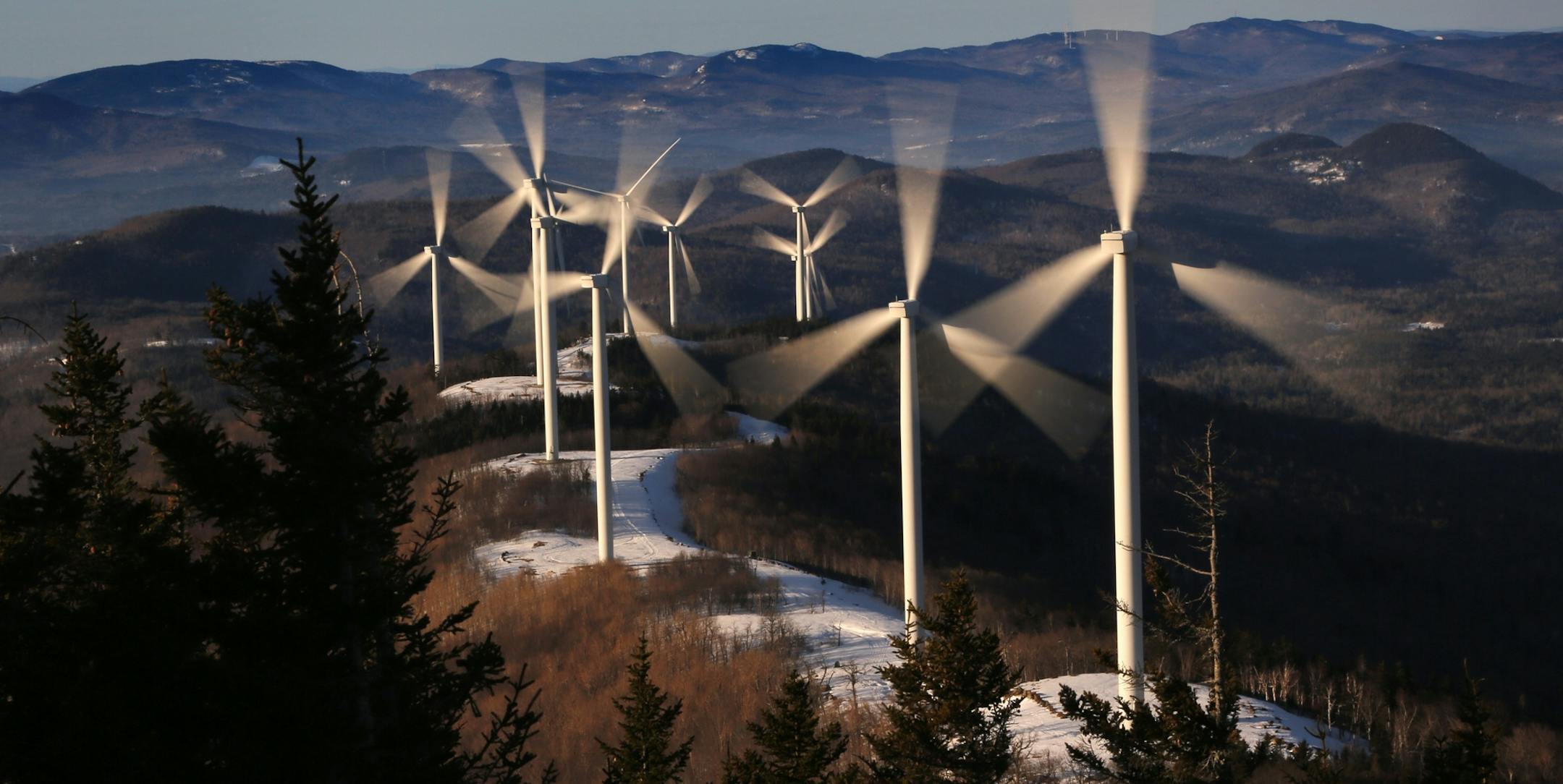
State Rep. Jeremy Munson itemizes the ills of mining materials around the globe, yet the mining of metals like nickel and copper are precisely what some are advocating in our own state (" 'Green' energy relies on copper-nickel mining," Opinion Exchange, Dec. 12). Already the cleanup costs of the environmental devastation caused by abandoned sulfide mines in the United States carries a price tag of an estimated $54 billion, according to the Environmental Protection Agency — a price that will be borne by taxpayers.
Should we be satisfied with the array of problems that Munson outlines as we strive to work toward clean, renewable energy? Of course not. But neither should we be so narrow-minded as to think we have already explored all the options for energy production, and that reverting to further extraction of carbon fuels is a wise course of action.
Necessity is the mother of invention. We often are not willing to make changes in how we do things until absolutely necessary. As we are starting to feel the crunch of less availability or higher costs (whether economically, environmentally or socially) of nickel, copper and other metals, now is the time for industry to use fewer of these metals or replace them with more common metals. For example, industries have already been pushed to find alternatives or ways to reduce our use of difficult-to-acquire rare-earth metals that are used in cellphones, computers and other electronic devices.
Of equal importance in this conversation is the imperative that we vastly increase our recycling of already extracted metals. The more we recycle our used products, the fewer raw materials need to be mined from the earth.
Louis Asher, Vadnais Heights
• • •
In his rant against green energy, Rep. Munson paints a bleak picture of green energy's supply chain, conveniently leaving out one very important fact: Unlike fossil fuel extraction and transportation, alternative energy encompasses several rapidly developing technologies. Worldwide, electric motors that do not use rare earth magnets, batteries that use glass instead of lithium and cobalt, and roadbeds that charge vehicles as they pass are all in development. Every vehicle manufacturer on the planet is focused on electrification. The vehicles that his and my grandchildren will drive will be electric.
Meanwhile, all the fossil fuel industry can offer is to despoil the environment and adversely affect the climate to extract, transport and consume, just as they have been doing for over a century.
Gary Box, Golden Valley
• • •
I want to thank the Star Tribune for publishing Rep. Munson's piece on green energy. It brings up the important point that all factors must be considered when evaluating the costs and benefits of our energy production options. There is one word that seems to be missing from discussions on how to solve the problem of CO2 emissions: sacrifice. Each individual will be required to make sacrifices if we are to reach our goal of keeping the planet's temperature in check.
The Greatest Generation, during World War II, made those sacrifices. Through the cooperative efforts of rationing of fuel and goods, conversion of manufacturing to fight the enemy and a societal focus, we defeated the enemy. Now the enemy is ourselves, and we must look in the mirror and address that. Each individual must be able to recognize what stares back at them and accept their role. Then there is hope.


