

•••
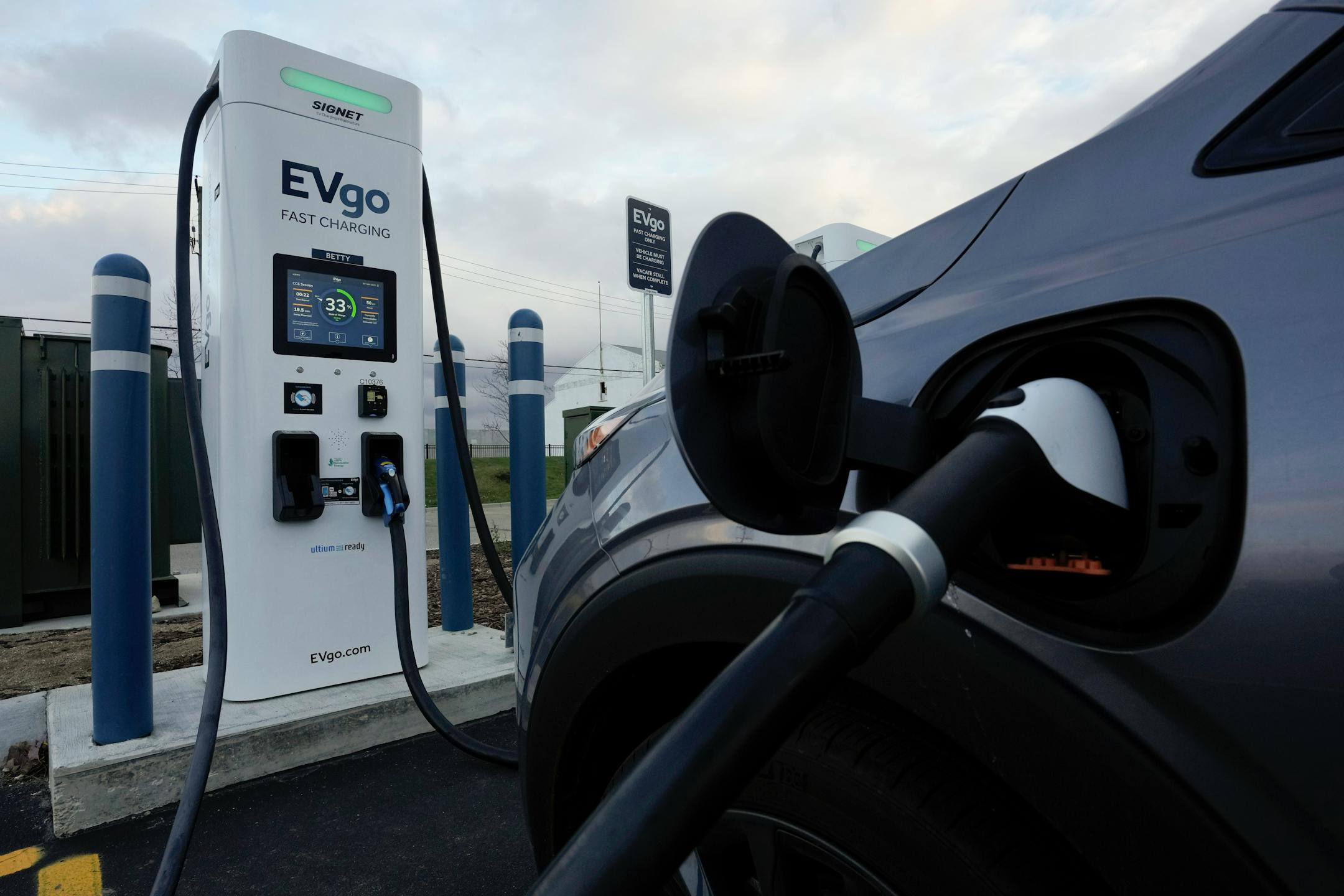
Seven months ago, Xcel announced a $200 million plan to put 730 fast chargers throughout the state — since rescinded. The entire article "Are EVs the new Ford Pinto?" is a resounding endorsement for this minor investment.
Want further proof? Tesla invested in a reliable charging infrastructure long before it became profitable, a core feature of their business strategy. And Tesla sells twice as many electric vehicles in the U.S. as the next 19 manufacturers combined.
A rapid transition to EVs significantly benefits all of us, as EVs simply keep significantly more money in our local economy. How? EVs have substantially lower operating and repair costs. I have driven EVs for 10 years, about 200,000 miles, and never been stranded. I estimate $20,000 in reduced energy costs and about $6,000 in reduced drivetrain related repair costs.
Remember at the beginning of COVID when gas was $1.85 a gallon because demand had dropped? The same logic applies when 20% to 30% of cars are EVs. Thus it is gas car owners who will benefit the most from rapid adoption of EVs. Minnesota spent $12 billion ($3.77 per gallon on average) for fuel in 2022. If fuel had cost only $1.85, this would have saved citizens over $5 billion with just a one-time $200 million investment.
Rural economies would benefit the most, as they spend a higher portion of their income on transportation than their urban and suburban counterparts.
Everyone, including gas car owners, should be demanding good public policy that directs utilities to build, own, and thus reliably maintain charging infrastructure.


