

•••
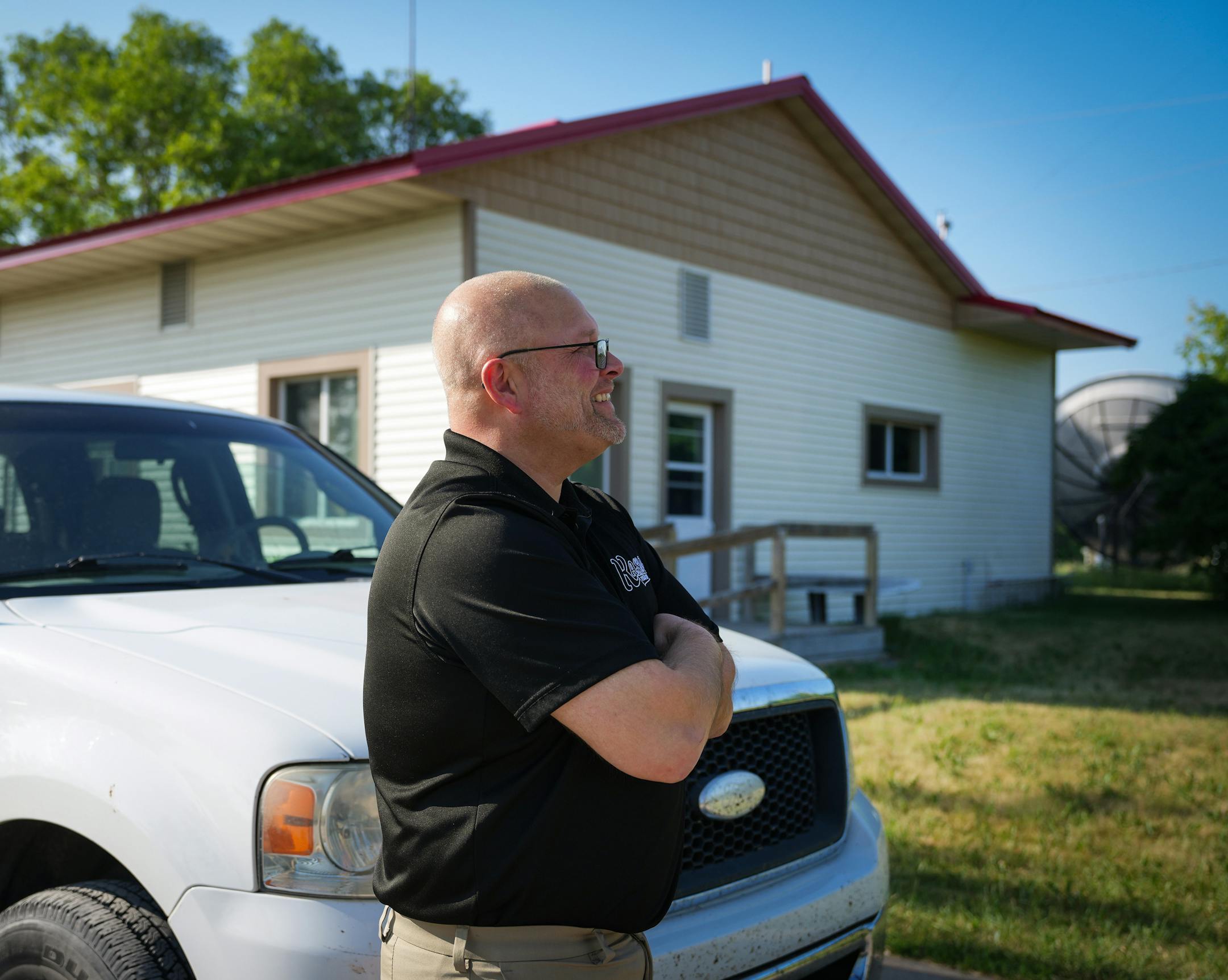
When I was a kid in the 1950s, growing up in a small central Minnesota town, there was no FM radio, and in summer storm season sometimes the only station close enough to get through the static was KASM in Albany, Minn. — which of course we had to have on, as it was our only real chance of getting tornado warnings ("AM radio — a rural lifeline," June 21). Many was the afternoon that Mom's kitchen radio would be intoning sales figures for "hogs, barrows and gilts" and the like (I know what a hog is, but the other two are still a mystery to me, though at one time I could have told you what their prospects were worth). Every afternoon for an hour there would be a "Mass for the conversion of Russia" when, for an hour, the soundtrack of our Lutheran home was a priest and his congregation chanting the rosary, as a result of which to this day I can recite the Hail Mary better than most of my lapsed Catholic friends.
I was sad when AM radio fell into the pit of talk radio, bringing out the worst in every caller, though I did pick up some good new music from the Spanish stations. AM radio will always be, for me, summer days in a simpler era.
Steve Hoffmann, Anoka
IMMIGRATION
Streamline the process for kids
With a backlog of 23,000 pending cases in Minnesota's immigration court, lawyers, judges and people seeking safety alike are understandably unhappy and frustrated with the system ("Asylum seekers wait ... and wait some more," June 11). As a state circuit court judge in a neighboring state, I have a few ideas to help streamline the current pileup of cases in Minnesota and across the country.
Among the immigrants waiting for their status to be determined are children seeking safety in the United States who come without a parent or guardian. From October 2022 to April 2023, 680 unaccompanied children were released to sponsors in Minnesota.
Children are particularly harmed by the uncertainty and fear that accompanies the long wait times. One way to ensure the efficient, fair and more humane processing of cases is to increase access to legal representation, which is particularly essential for unaccompanied children. With counsel, these children are more likely to receive a fair decision that uses fewer court resources. Lawyers help their clients overcome language barriers, navigate a complex legal system and help them access crucial social services like health care and education.


