Stop me if you’ve heard this before: Minnesota avoided a recession earlier this year, under the oft-used definition of two consecutive quarters of economic decline, because growth in the second quarter rebounded strongly from the striking decline in the first.
It may sound like the same thing I wrote a year ago, but it’s actually not. Here are some critical differences, along with some updates on other columns.
Last year, low farm profits hurt Minnesota in the first quarter, and the rebound in the second came from spending in state and local government.
This year, Minnesota was hurt by a pullback of corporate spending as President Donald Trump rolled out tariffs. Then the economy snapped back in the second quarter, when it seemed Trump wasn’t going to go through with the worst of his tariffs.
This fall, the tariffs have grown and the flow of data about the economy has stopped. Last week, we should have gotten updates on inflation and seniors should have learned about the cost-of-living adjustments to Social Security. That’s all on hold because of the government shutdown.
Even the details on state GDP performance in the second quarter, released in late September, are now unavailable from the Bureau of Economic Analysis.
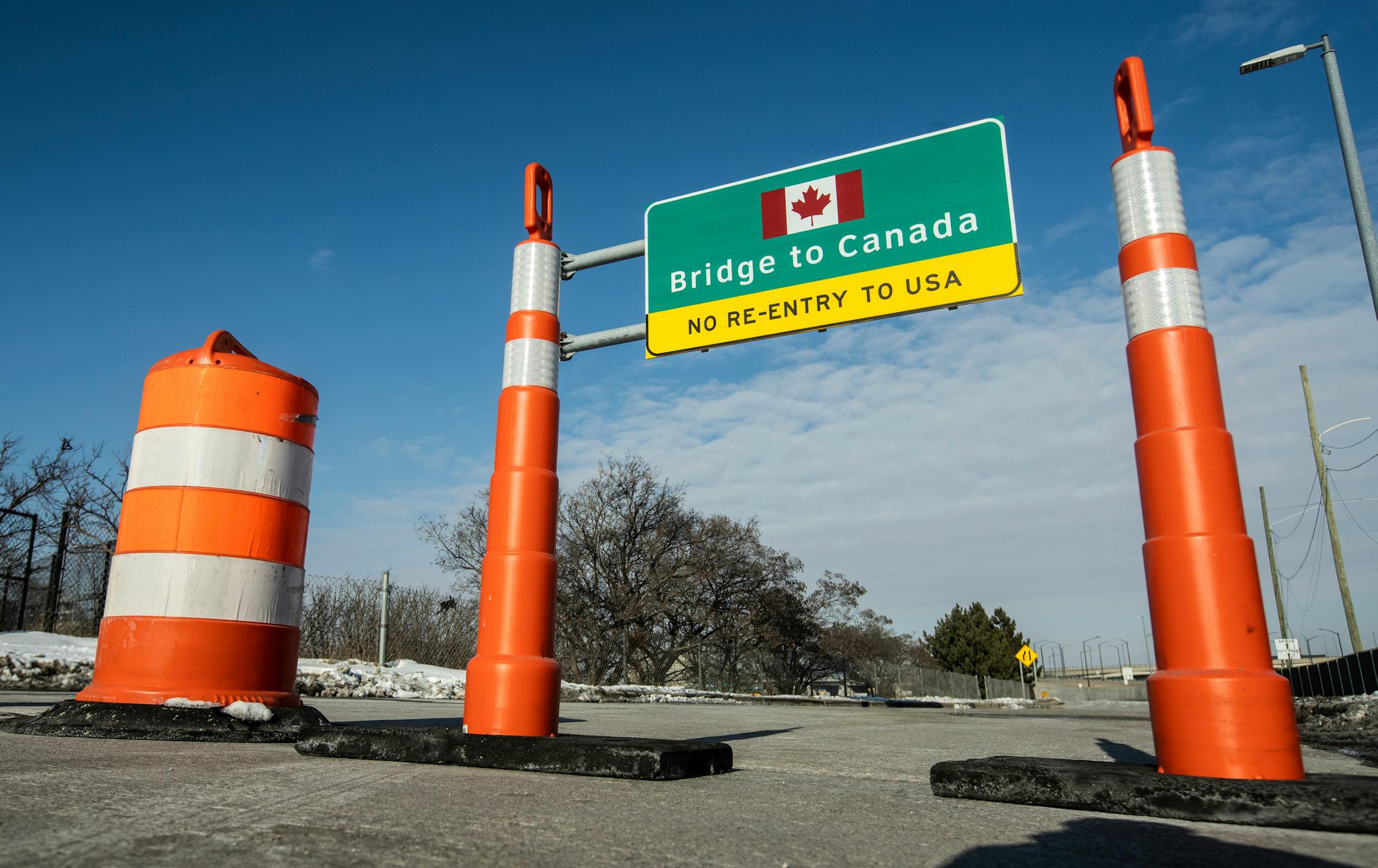
We do know, however, from the state of Minnesota that exports fell 19% in the second quarter as the state’s biggest trading partner, Canada, cut its purchases of our goods by nearly half.
And the state’s budget office reported tax collections came in slightly below forecast for the July-September period, due to a decline in revenue from the tax on corporate profits.