About 1.2 million Americans slip and fall on ice in the U.S. each year, filling emergency rooms and urgent care centers. The Bureau of Labor Statistics even tracks the impact on the nation’s workforce.
For about a decade, Mitch Vestal of Winston-Salem, N.C., has been trying to change that.
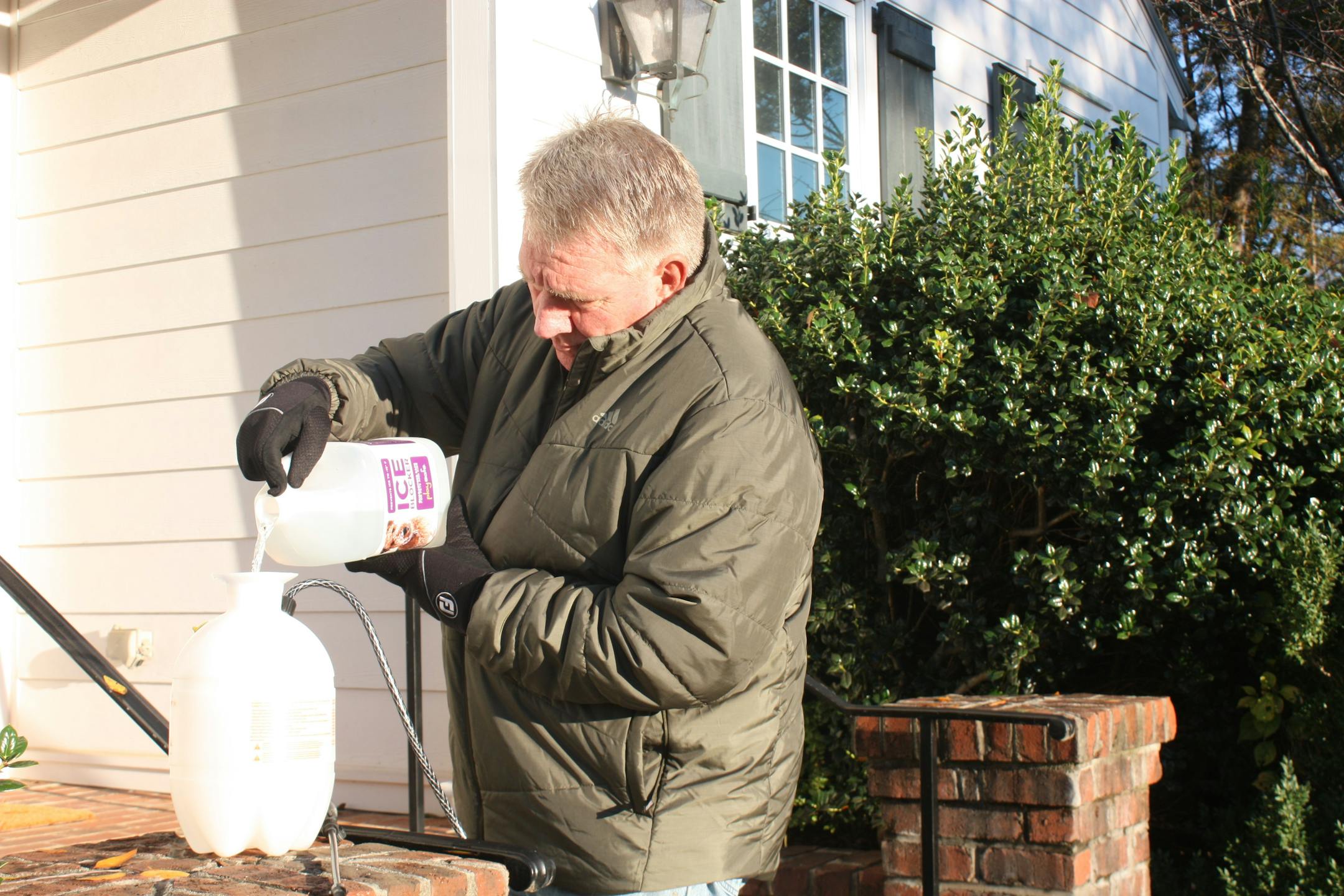
He developed a product called PlaySafe Ice Blocker, a liquid that can be sprayed on driveways and sidewalks ahead of a freeze to prevent ice from forming. Vestal sells it as less harmful to pets, lawns and waterways than the rock salt that people typically throw on their walks on an icy morning.
“People hate everything about ice removal,” Vestal said. “There’s almost nobody that doesn’t want to find a better way to deal with winter.”
He began his career selling typewriter ribbons, then became a product manager at Gillette and Pepsi before becoming an ice-melt entrepreneur. He’s called me and others at the Star Tribune before big snowstorms over the years, seeking out a mention if we’re pulling together a storm preparation story.
This year, though, Minnesota is experiencing one of the mildest winters ever. Here we are in February and, after more than a week of highs in the 40s and 50s, the only snow on the ground in the Twin Cities is in the piles formed by plows.
“It’s funny to see you on the other side of the penny this year,” Vestal told me last week.
He didn’t need to explain. The winter of 2022-23 was one of the worst for snowfall in Minnesota history with about 93 inches at Minneapolis-St. Paul International Airport, the official measuring point for the Twin Cities metro. At this point in winter a year ago, the airport had received more than 50 inches. This winter, it’s only had 7.2 inches.