

Even before the pandemic, the 2020s were shaping up to be a dramatic decade for the U.S. and the world.
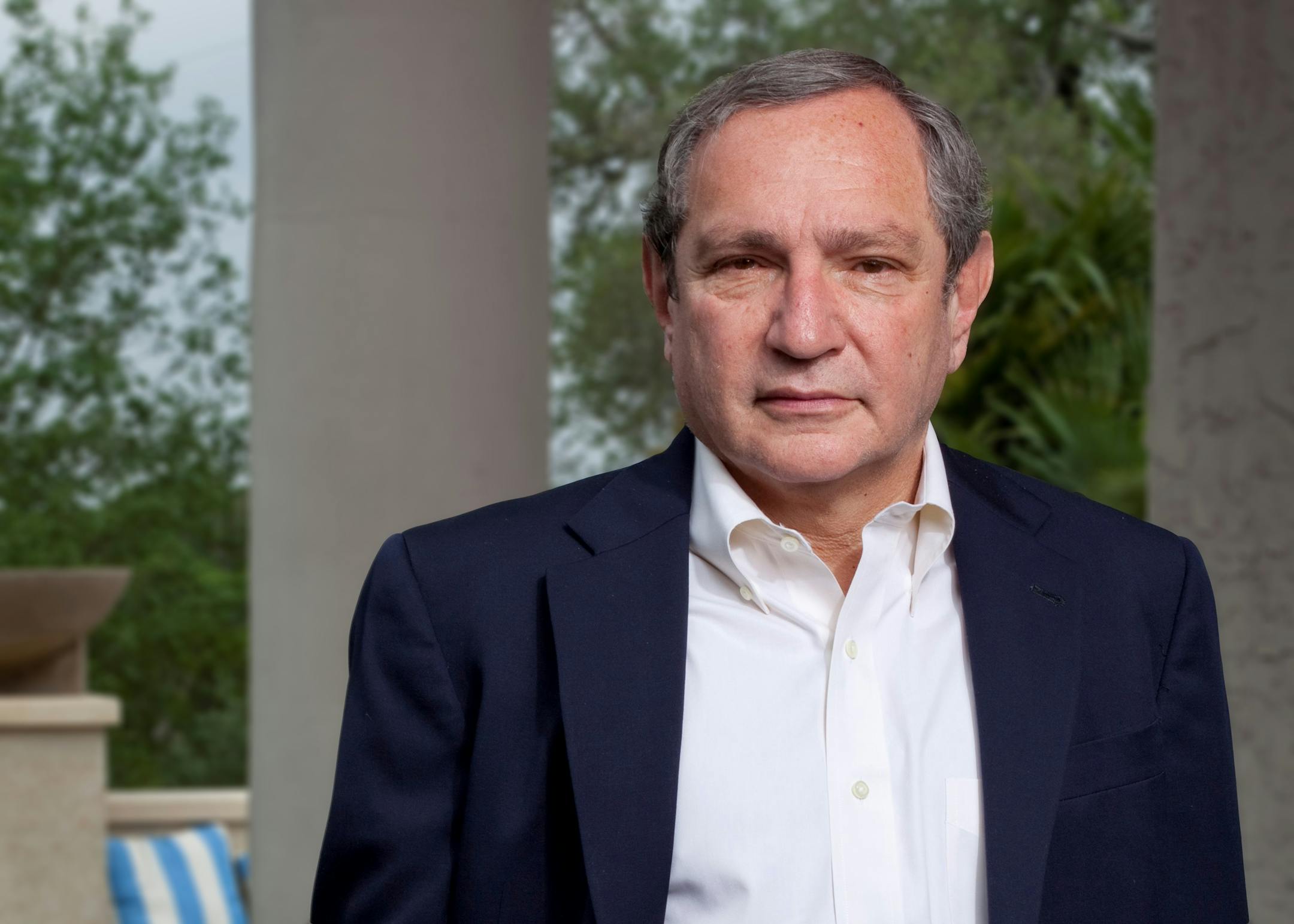
George Friedman, a Texas-based business consultant, saw that before most people did. His 2009 book "The Next 100 Years" has turned out to be remarkably prescient — and has stayed in print as a result.
He was on the mark by forecasting that Russia's weak military would be unmasked in this decade and that China's rise would lose its dynamism. He also observed that the U.S. and other advanced nations would come under economic pressure from aging and shrinking populations, something we're feeling in Minnesota.
One effect, he noted in that 2009 book, is that inflation would be hard to suppress because the big group of baby boomer retirees would keep demanding goods made by a dwindling labor pool. With the Federal Reserve's rate-setting committee meeting this week for the first time in 2023, I thought I'd ask Friedman if he was seeing this part of his book also come true.
To my surprise, he said not yet.
"The numbers have begun moving in that way," said Friedman, founder and chairman of Geopolitical Futures in Austin. "But it's going to be close to another 10 years when demographics are really going to crunch us."
At the moment, he said inflation is shaped by three acute events: the economic upswing in the pandemic's aftermath, Russia's invasion of Ukraine and the government stimulus that is still being spent down in states such as Minnesota.
"This has more similarity to the 1970s than anything else," Friedman said. "We had the Vietnam War, the Arab oil embargo and inefficiencies built in the economy with aging industries like automobiles."


