Ramstad: An economic bomb has hit Lake Street

Hispanic businesses are being hit hardest as customers and employees hide from federal agents — or leave Minnesota.

Columnist Icon
The Minnesota Star Tribune
February 4, 2026 at 6:26PM
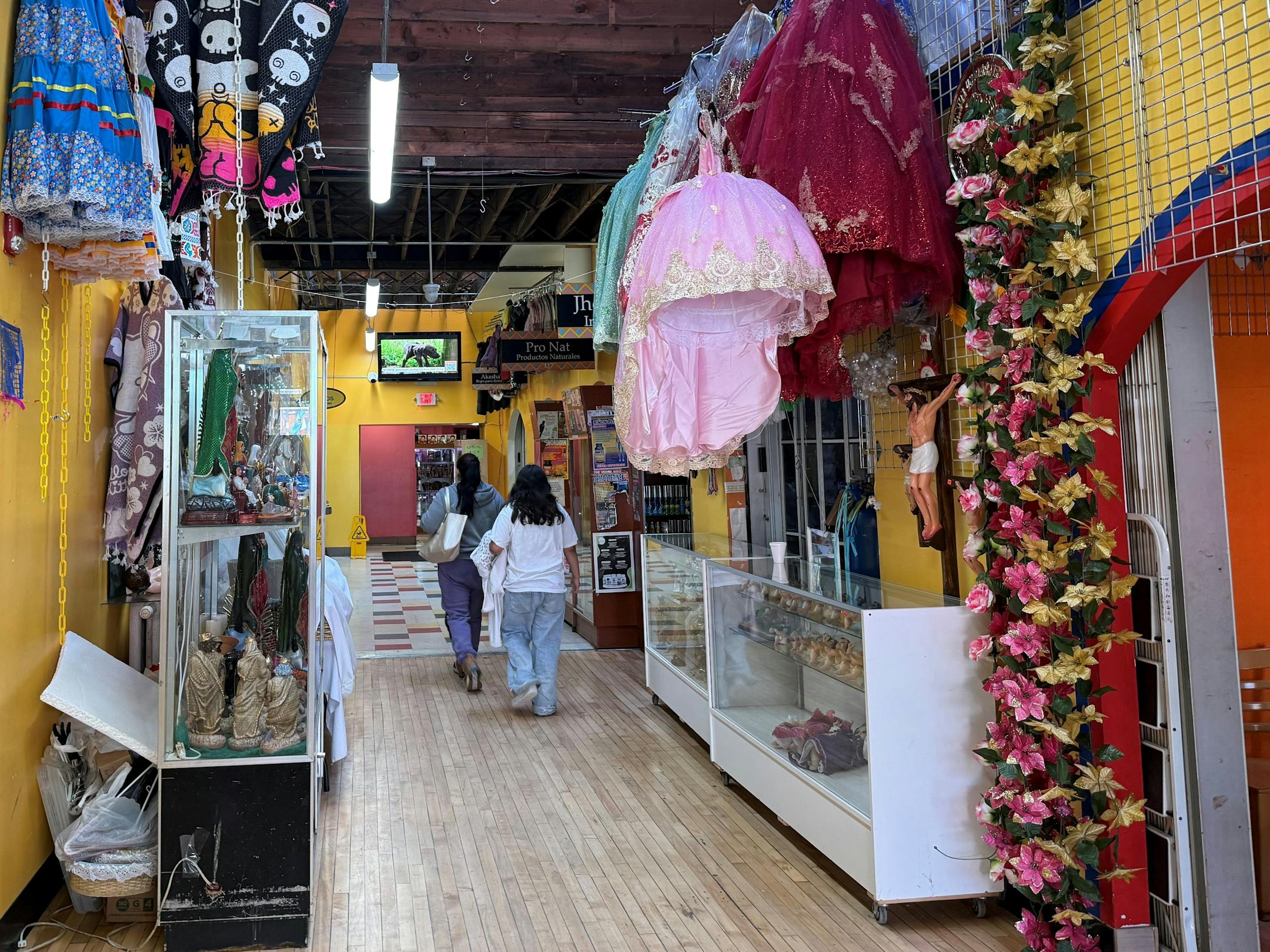
More than half of the stores are closed at Mercado Central, a cooperative of Hispanic businesses at Lake Street and Bloomington Avenue in Minneapolis. The federal crackdown on immigrants scared customers and employees from leaving home. (Evan Ramstad/The Minnesota Star Tribune)

Rosalba Herrera opened her sports clothing store on the second floor of Mercado Central on Saturday hoping for some customers but not expecting any.

To her surprise, someone came in and spent $160, a last-minute jolt that brought January’s revenue to a mere $260.

When I stopped in to her Deportes Azteca store Tuesday, she said, “There are so many days that people don’t come.”

The businesses of Lake Street, the only throughfare that stretches entirely from the east side of Minneapolis to the west, are suddenly and terribly back on hard times.

Nearly six years after the police slaying of George Floyd and the subsequent riots that destroyed businesses on Lake Street, it’s been hit by the economic equivalent of a neutron bomb: The businesses are still there, but customers and employees are gone.

Most of the 1,652 businesses on Lake Street are owned by immigrants, and more than half of those closed in the past two months, according to a count by the Lake Street Council, the local business association.

Anyone can feel it. Traffic is lighter up and down Lake. The “open” sign is unlit on so many storefronts and restaurants.
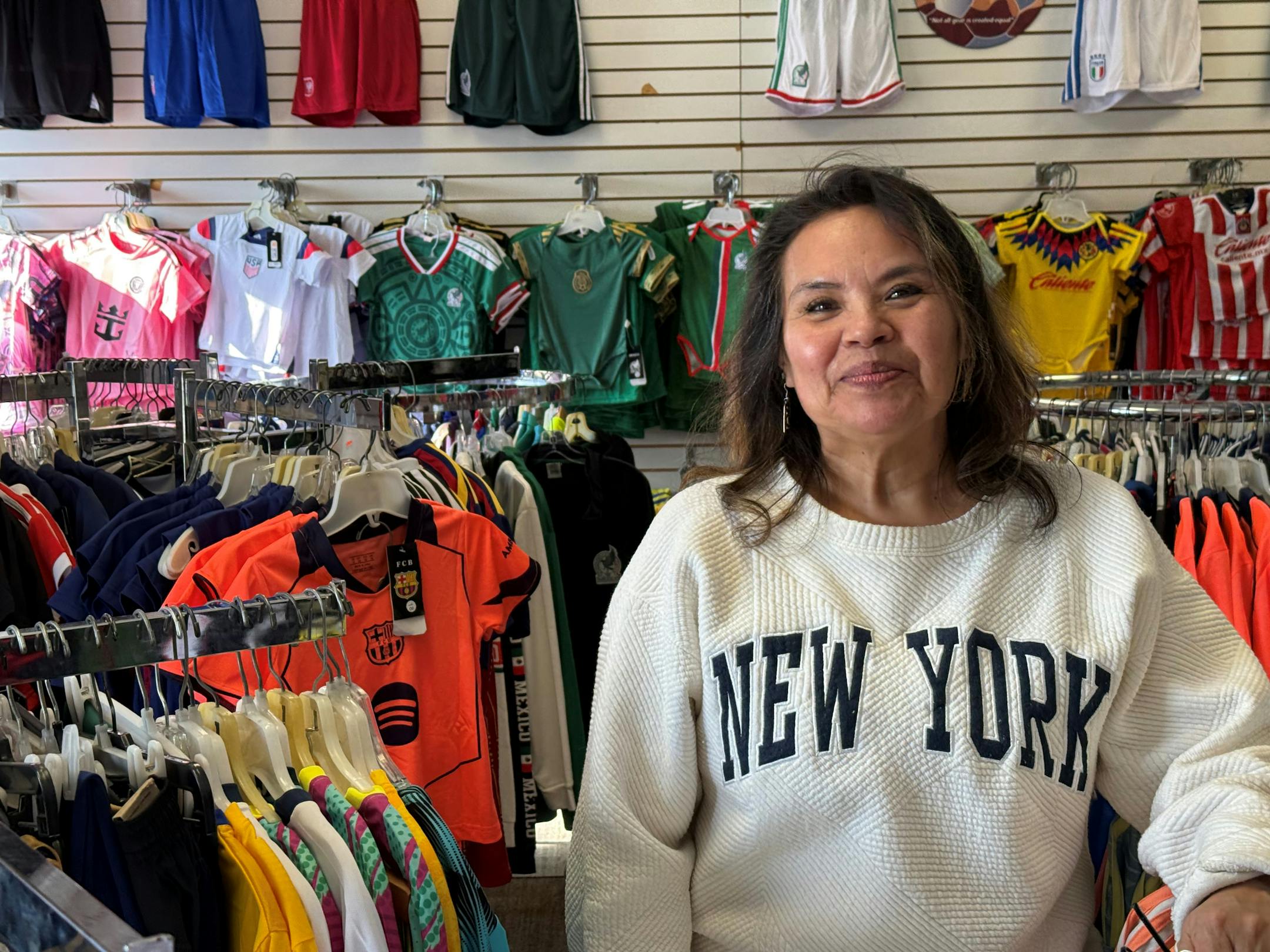
Rosalba Herrera, owner of Deportes Azteca in Mercado Central in Minneapolis, said the store's total revenue in January was $260. (Evan Ramstad/The Minnesota Star Tribune)

And while Lake Street has a concentration of immigrant-owned businesses, the distress is also felt in places like East St. Paul, where there are also many Hispanic-owned businesses, and throughout Minnesota.

In 2020, these businesses had an economic cushion in the form of government pandemic relief. Now, many are falling behind on rent and other costs.

“I have never been behind on rent, but now I’m four months behind,” said Micaela Serato, who has sold herbs and supplements at Mercado Central since it opened 26 years ago.

The reason, of course, is the federal crackdown called Operation Metro Surge on undocumented immigrants. Over the last two months, federal agents didn’t just arrest undocumented immigrants, but hundreds of people they thought might be undocumented. That number is a guess because the government doesn’t provide much data, and none that can be double-checked.

The campaign intimidated thousands of Minnesotans of color, including citizens who ought to have no reason to fear immigration agents. An untold number of customers and employees reacted by staying home. They are not going to work, not sending kids to school, not going out to shop. Some are even in hiding.

“I liken it to creating an economic embargo,” said Russ Adams, who has led rebuilding initiatives for the Lake Street Council since 2021.

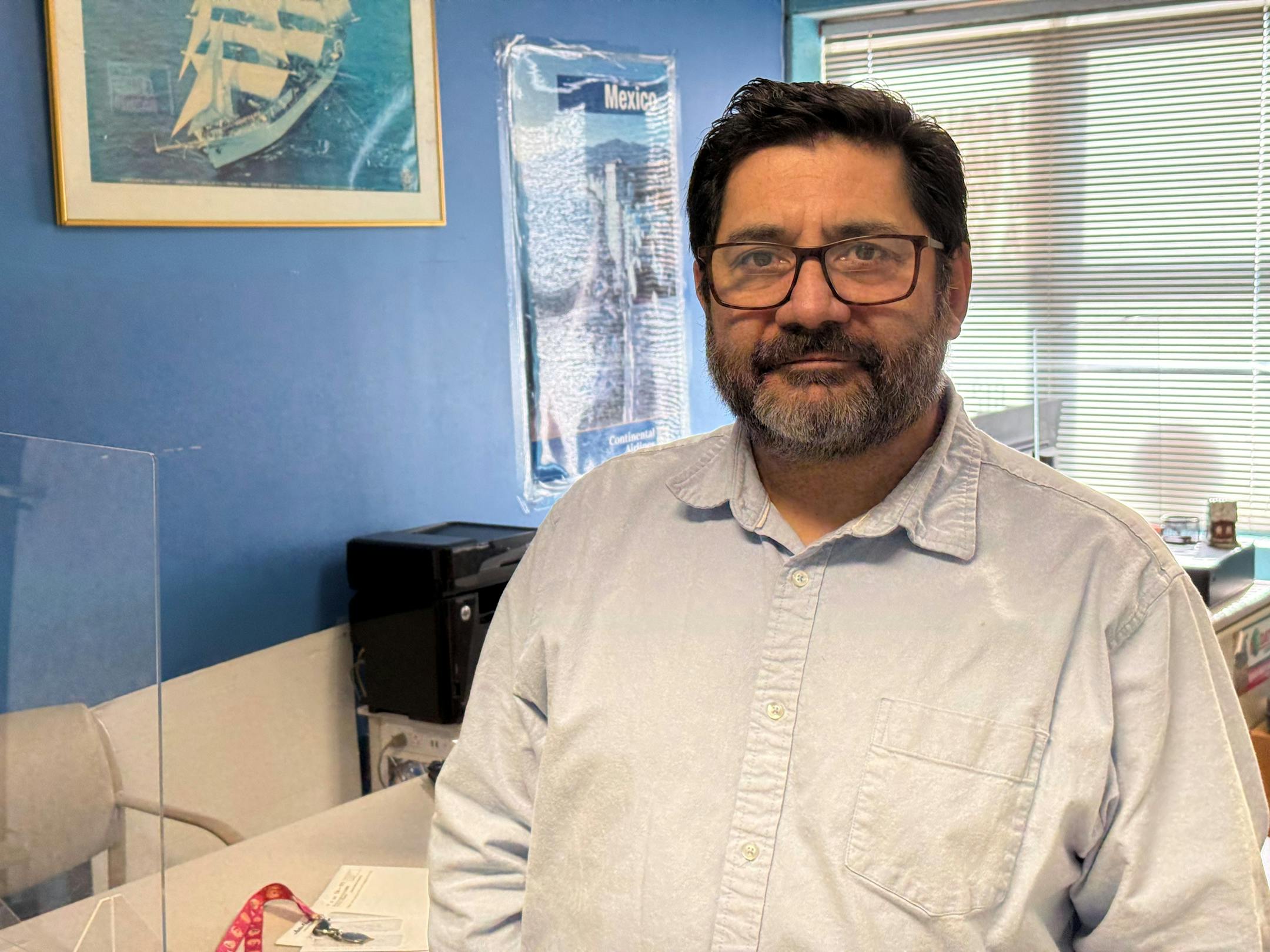
Rodrigo Cardozo, who came to the U.S. as a legal immigrant fleeing violence in Colombia in the 1990s, has had a front-row view of immigration trends in the Twin Cities by running a money transfer and travel service in Mercado Central.

“When I came to Minnesota, I found it perfect, because nothing happens in Minnesota, which was great. You know what I mean? The freedom to walk in the street without looking over your shoulder to see if you are being followed or not,” he said. “Now, that dream is completely gone and I feel even worse than in Colombia because I also have to worry about my kids, who were born here.”

Rodrigo Cardozo has watched Minnesota's immigration trends for two decades from his financial services store at Mercado Central in Minneapolis. (Evan Ramstad/The Minnesota Star Tribune)

While Trump has heaped criticism and scorn on Minnesota’s Somali immigrants, it is the state’s far larger community of Hispanic immigrants that has paid the highest price in the federal crackdown. A higher percentage of immigrants from Latin America than Somalia came to the U.S. without proper authorization.

On a recent visit to Karmel Mall, the largest Somali mall in the country, I found more than half of the businesses were open, even though ICE agents nabbed people outside the facility twice in the two hours I was there.

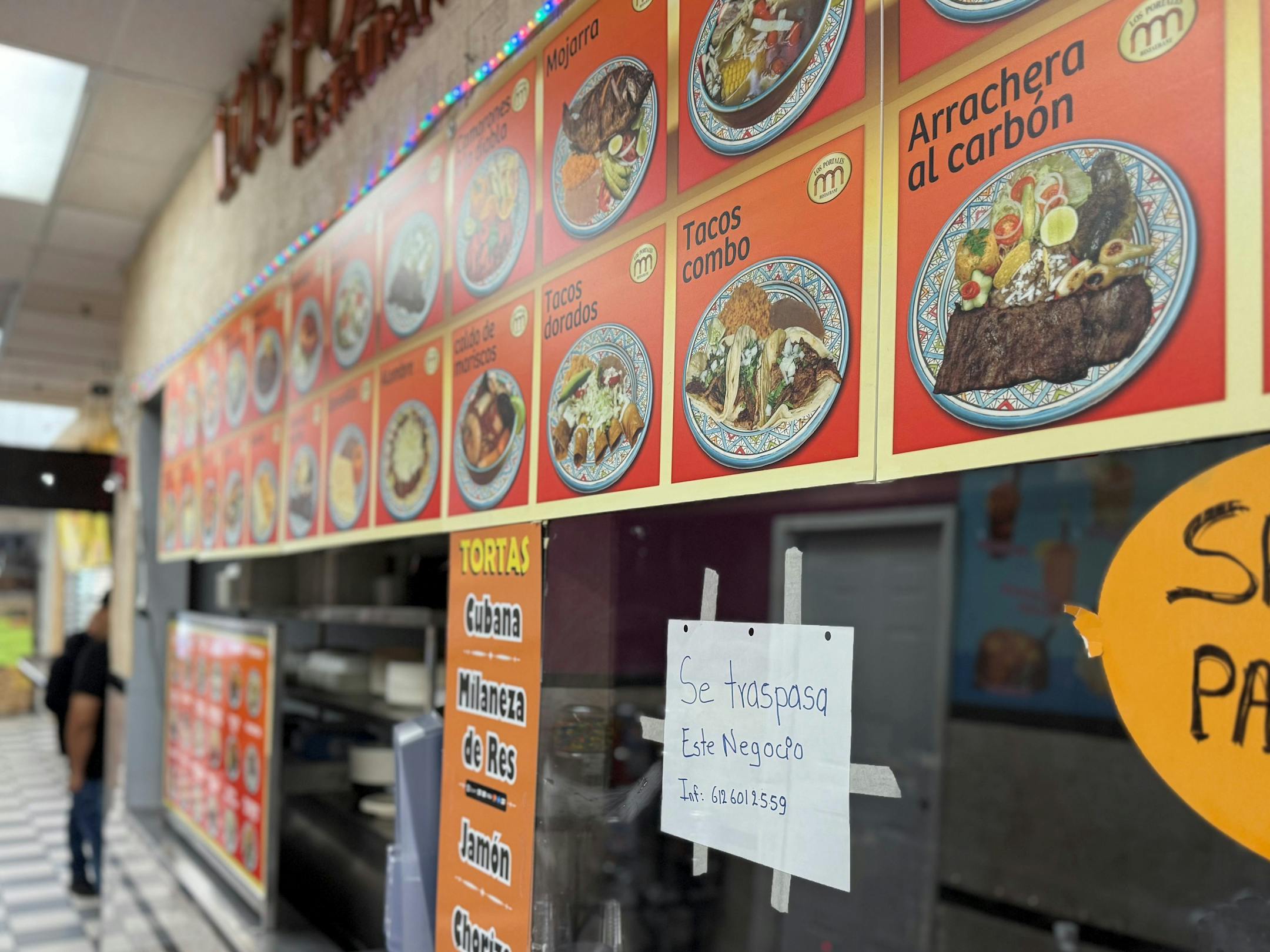
About a mile east on Lake, Plaza Mexico is virtually empty. Only three restaurants and a small bodega were open. A sign on one restaurant advertised it was for sale.

A sign taped to the window of restaurant in Plaza Mexico on Lake Street in Minneapolis advertises that its owner is willing to transfer control. (Evan Ramstad/The Minnesota Star Tribune)

The upstairs terrace food court is usually jammed with more than a dozen restaurants offering weekend brunch. But these days, Juan Gerrado is alone up there, having just opened his lamb taco joint less than a year ago. “I need some money for the rent,” he told me.

His landlord Basim Sabri, a Palestinian immigrant who owns both Karmel Mall and Plaza Mexico, told me he feels like Minneapolis is “living under martial law.” He put up signs that warn federal agents not to stage their vehicles in his parking lots. He will open a grocery store next to the mall on Feb. 14.

“From the mayor on down, many people are standing with us,” Sabri said. He then added, “I hope they will do something for the Latinos.”

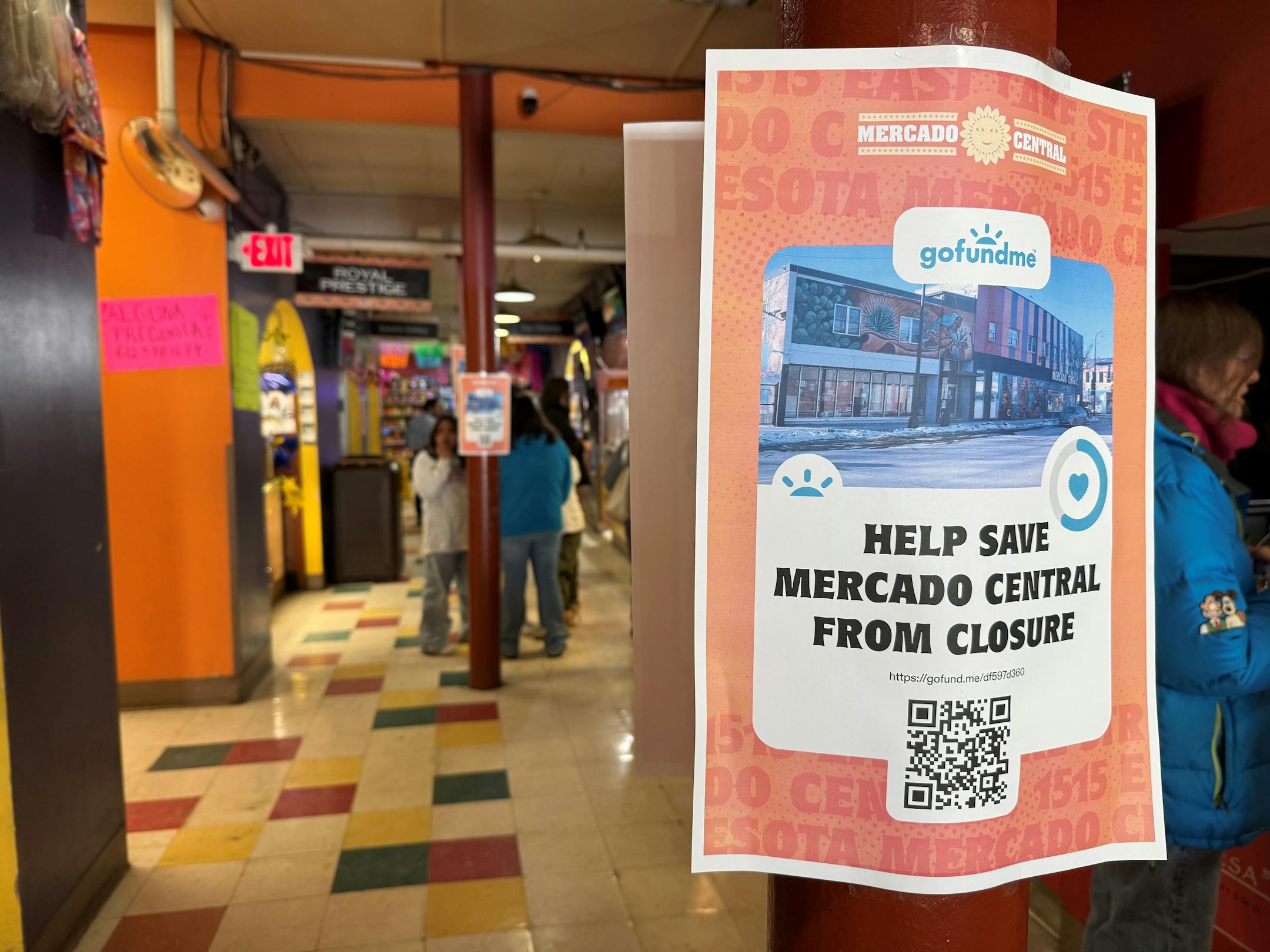
In the past week, the Minneapolis Foundation and ConnectUp! Institute have announced funding initiatives to distribute aid to distressed businesses. Mercado Central has an online charity campaign that has raised about half of a $500,000 goal.

Signs up around Mercado Central ask visitors to contribute to a $500,000 fund-raising campaign. (Evan Ramstad/The Minnesota Star Tribune)

At lunch Tuesday, the food court was nearly full. About half of the diners appeared to be white people. I stopped by each of their tables; two said they were from the neighborhood and the rest said they made a special trip to help businesses they knew were hurting.

Bruce Van Sloun said he’s driven weekly from Minnetonka to Mercado Central for the last few months and brings a different friend along each time, as he did Tuesday. “This administration is bleeding them dry,” Van Sloun said. “It’s performative cruelty. So we need to stand together.”

He encouraged me to try the tamales. I suggested he run upstairs and check out Deportes Azteca, pointing at my shopping bag. I bought a stocking cap and scarf, becoming Herrera’s first customer of February.

Sign up here to follow Evan’s columns by email

about the writer

about the writer

Evan Ramstad

Columnist

Evan Ramstad is a Star Tribune business columnist.

See Moreicon

More from Business

See More
card image
Renée Jones Schneider/The Minnesota Star Tribune

Boston Scientific’s stock price was down 15% midday on Feb. 4, despite the company posting strong quarterly revenue and profit. The medtech company has major operations in Minnesota.

card image
card image