

Opinion editor’s note: Strib Voices publishes a mix of guest commentaries online and in print each day. To contribute, click here.
•••
For the first time in my life, I will be observing Ramadan with my passport card in my wallet.
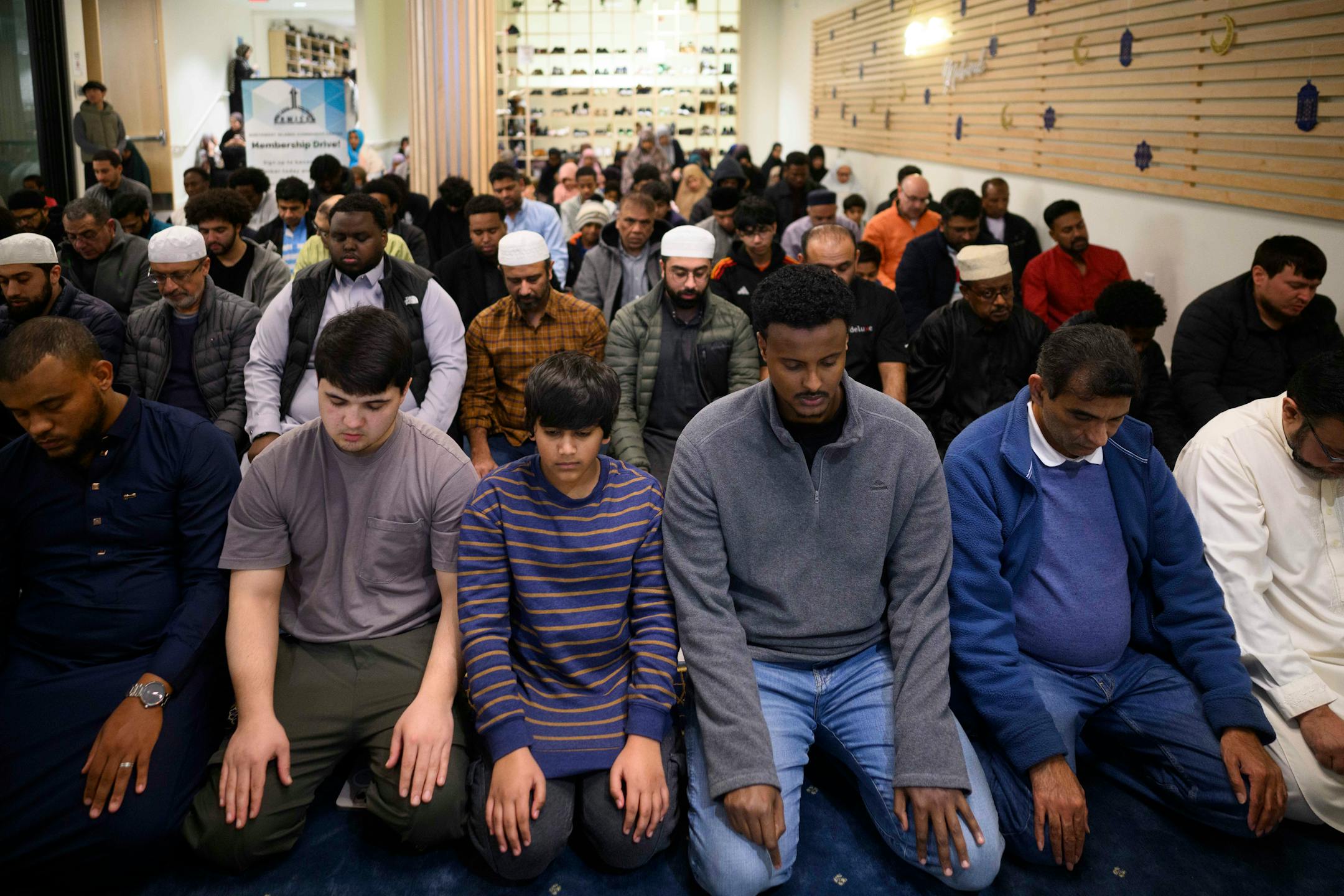
As an American citizen, I had never felt the need to carry documentation simply to step outside my home. Yet as this Ramadan approached, I have found myself doing exactly that, including when I go to prayer.
The buildup to Ramadan in Minnesota is usually unmistakable. Mosques prepare for crowded nights. Restaurants extend their hours for iftars. Nearly every mosque and Islamic center plans its major fundraising drive during this month. Families and friends look forward to gathering each evening to break the fast.
This year, something is different.
Since the recent surge of ICE activity in the metro area, conversations across the Muslim community have shifted. During the height of enforcement activity, several mosques in Minneapolis reported declines in attendance. Friday prayer rows were thinner. Early morning and late evening congregations saw fewer faces.
Although federal officials have indicated that enforcement activity is now drawing down, the unease has not lifted as quickly. Once routines are disrupted and hesitation sets in, confidence does not immediately return.


