

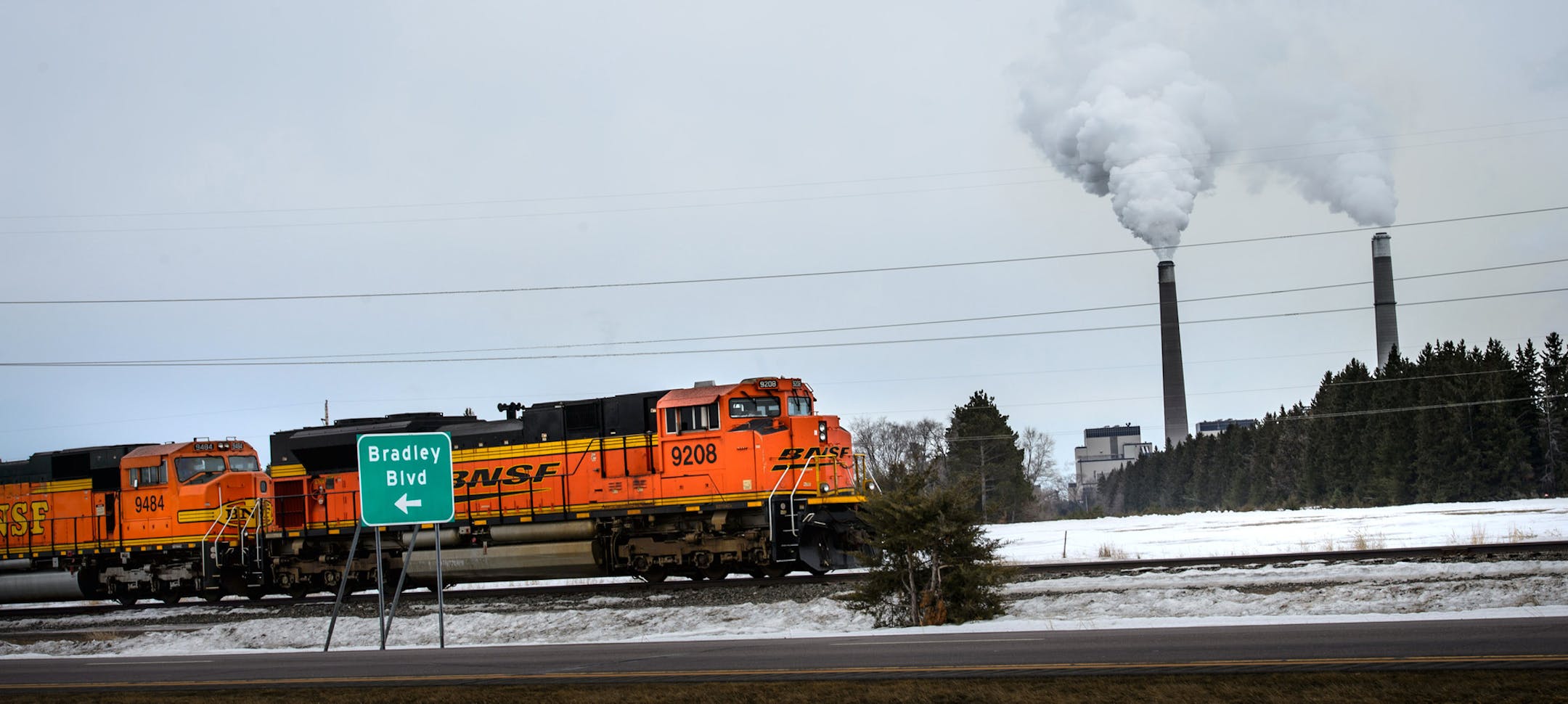
In Alma, Wis., a power plant has cut electric generation and is hauling in coal with semitrailer trucks because freight trains are too slow.
A Winnebago, Minn., ethanol producer also struggles with the nation's congested railways: Unable to ship as much fuel by rail, the plant now puts more into tanker trucks.
Across the northern United States and Canada, commodities such as fuel, fertilizer and grain have been moving at a frustratingly slow pace on freight-clogged, heavily booked and winter-battered railways.
Customers of some lines, especially BNSF Railway, are unhappy. Oil trains are getting some of the blame for Upper Midwest rail congestion. But BNSF and others say freight overall is up — amid a harsh winter that slowed everything down.
"This is the worst I've seen in 20 years," said Dan Mack, vice president for rail transportation and terminal operations at CHS Inc., the nation's largest farmer cooperative whose shipping needs range from grain to propane.
With winter officially over, some of the weather-related congestion is easing. But Mack and others say rail shipping problems could persist into 2015. BNSF and other railroads are making significant investments to speed freight, but track upgrades themselves can cause slowdowns.
In New York, the wholesale price of ethanol has climbed by $1.20 per gallon this year, thanks to shortages on the East Coast attributed to slow rail shipping. In the face of the rail congestion, many U.S. ethanol plants cut production. Output is down 13 percent to 869,000 barrels per day since December, though up slightly last week, said Geoff Cooper, senior vice president of research and analysis for the Renewable Fuels Association, an industry group.
"Lots of plants completely filled their on-site storage tanks," Cooper said.



