

In his remarkable essay, "The Case for Reparations," recently published in the Atlantic, and an appearance on legendary journalist Bill Moyers' "Moyers & Company," Ta-Nehisi Coates distills the ways in which American history has distorted our understanding of contemporary race relations.
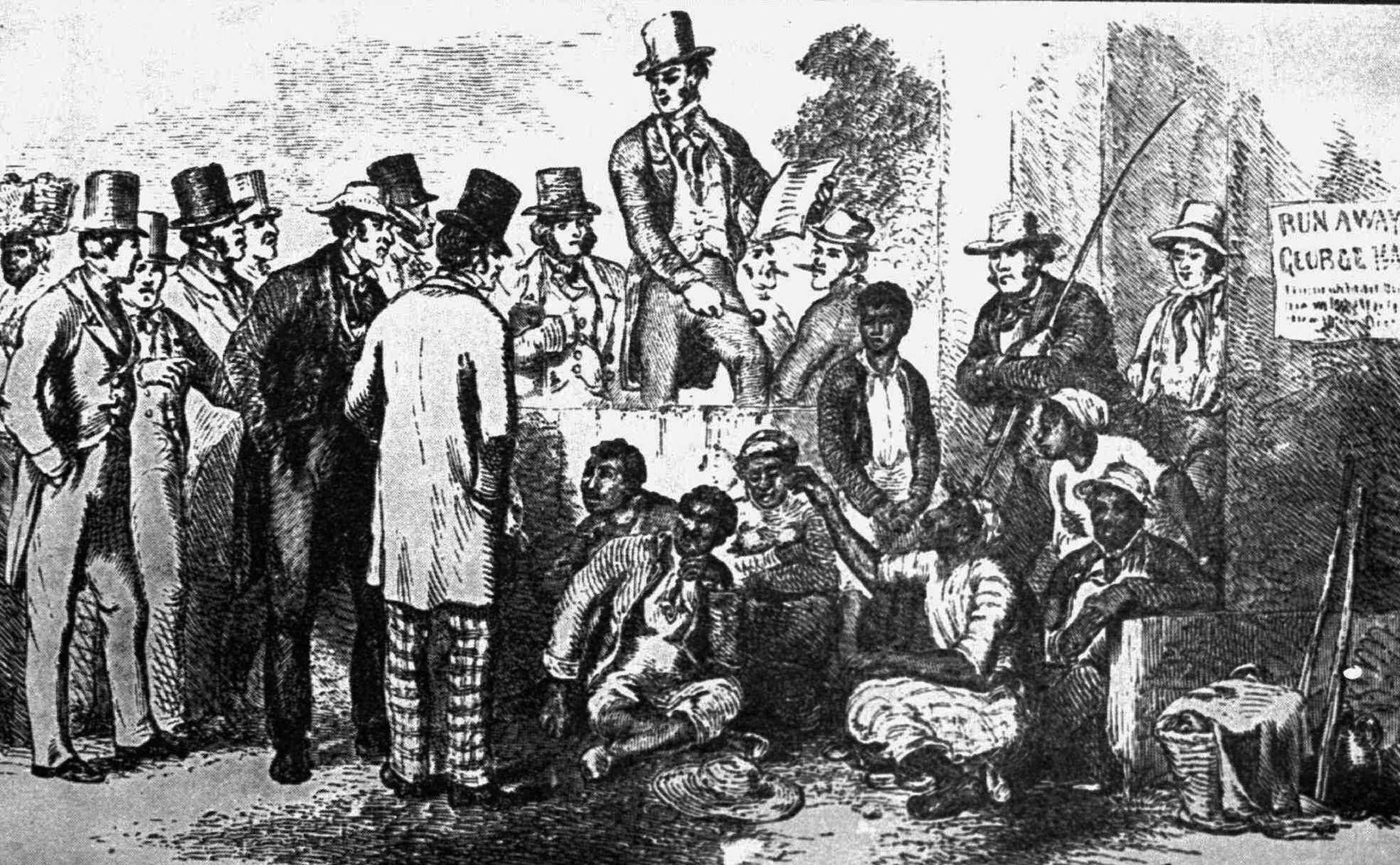
White supremacy, he reminds us, is as integral to the American story as guns and apple pie. And in his piece, he dismantles many of the myths and lies about American history and our democratic system, including tales — invoked by presidents and civil rights leaders alike — that the black community can be saved simply by hard work and exemplary behavior. "By erecting a slave society," Coates observes, "America created the economic foundation for its great experiment in democracy."
Deep reporting on the life of Clyde Ross, who escaped one kind of bondage in Mississippi, only to become a victim of predatory lending practices in Chicago during the 1950s, offers a glimpse into institutional obstacles confronting blacks during and after the high tide of racial segregation.
The debate over reparations predates the modern civil rights movement, and can be traced to enslaved Africans who, at times successfully, petitioned for freedom and pensions from British and U.S. courts.
The promise of "40 acres and a mule," Coates argues, proved illusory for black folks, and "having been enslaved for 250 years, black people were not left to their own devices. They were terrorized."
The case for reparations rests not simply on past injury during slavery, or the century of Jim Crow that followed it. The reparations debate is fundamentally shaped by the relationship between American democracy and white supremacy in our contemporary age. Our nation's racist culture grew out of democracy's intimate relationship with racial slavery and economic exploitation.
As Coates powerfully illuminates, the narrative of black history is not simply one of dogged triumph over racial violence, poverty and misery. A more nuanced and honest accounting of U.S. history reveals the ways in which, at every turn, black life has been, and remains, subjugated by institutional, political and legal barriers that have not only prevented advancement but robbed blacks of wealth, land, wages and citizenship.
And the saga continues in unabated residential segregation, predatory lending practices and a national obsession to deny the very existence of racial discrimination.


