

Fairly or unfairly, President Obama gets blamed for economic disappointments on his watch. By the same token, he gets to crow when things go well -- whether he deserves credit or not.
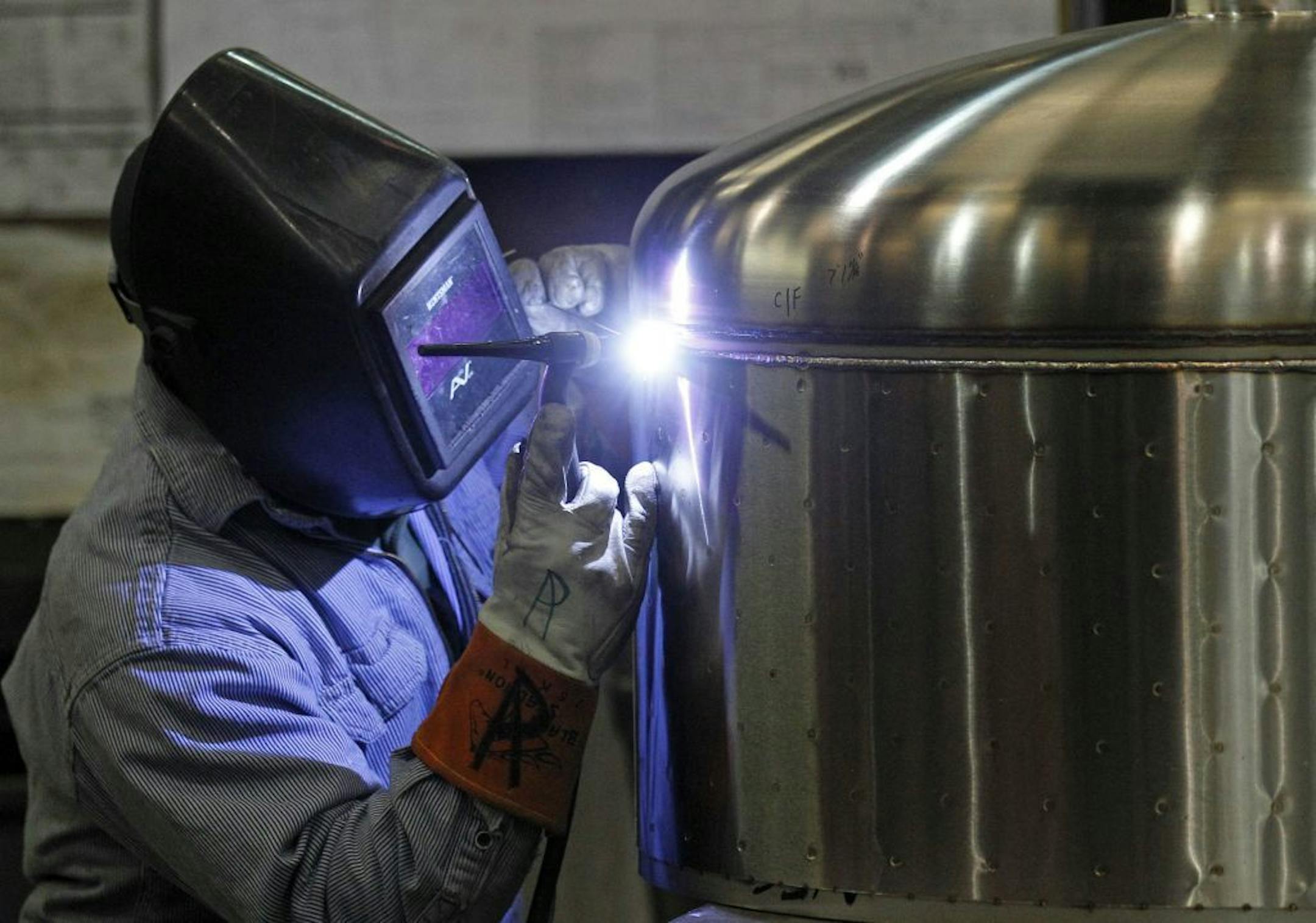
So he was entitled last week to trumpet the fact that U.S. manufacturing employment grew by 334,000 jobs over the last two years -- the strongest two-year growth since the late 1990s.
That's good news for Obama's reelection campaign, for the people who got jobs -- and for the country, which had been shedding manufacturing jobs even before the Great Recession.
But let's put the celebration in context. U.S. manufacturing is hardly as weak as it is sometimes portrayed. In 2009, U.S. manufacturing output was equal to that of Germany, Italy, France, Russia, the United Kingdom, Brazil and Canada combined, according to the United Nations.
In 2010, U.S. manufacturers produced nearly $1.8 trillion in goods (in constant 2005 dollars), about $100 billion more than China did.
Crucially, the United States managed that with only about a tenth as many workers as China employed; indeed, swift increases in output per worker are one big reason why this country lost 8 million factory jobs since manufacturing employment peaked at 19.6 million in mid-1979.
That's the price of competitiveness.
Of course, in many areas even the most productive U.S. firms could not beat China's low wages.


