

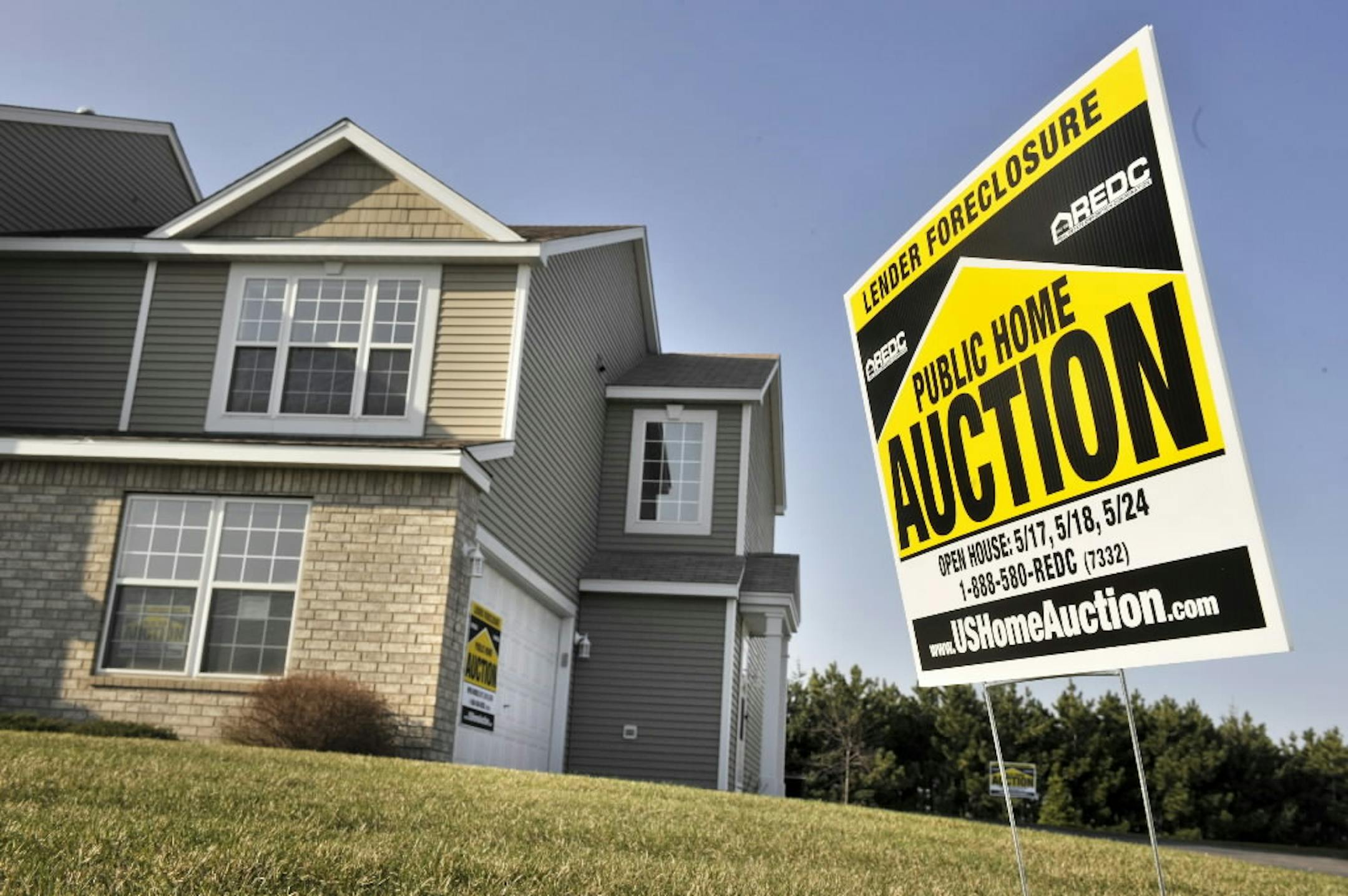
Shopping for a foreclosure? Misconceptions abound about what's available and where, and whether a bank-owned listing is a deal. We asked real estate experts to weigh in on what's fact and fiction when it comes to buying a foreclosure. Foreclosures are always a bargain.
Many lenders try to maximize returns on foreclosures, and data from the Minneapolis Area Association of Realtors suggest that lenders are starting to offer larger discounts to buyers to get the properties off the books. However, many foreclosures need costly repairs, and determining those costs can be difficult. "Not every foreclosure is a bargain, but there are outstanding values, especially for first-time home buyers," said Aaron Dickinson, an agent with Edina Realty. A skilled buyer's agent can help determine what a house is worth and negotiate a price.
Foreclosures are only in certain neighborhoods.
Bank-owned homes are in almost every inner-city and in many suburban communities. For example, in October there were 150 foreclosures (homes that have been repossessed by the bank) and short sales (the in-default homeowner negotiates with a lender to sell the house for less than is owed on the mortgage before the home has completed the foreclosure process) available in Apple Valley. There were 128 in Elk River and 151 in Woodbury for sale.
Foreclosures are always in poor condition.
People lose their homes for different reasons, and many maintain the property up to the time they move out. While many homes sit vacant for a long time and are neglected, others just need a paint job and/or wall patches.
When you buy a foreclosure, you're buying the house "as is."
This is true in most transactions because banks don't make repairs. However, homes need to be safe, habitable and meet minimum property standards if a buyer obtains certain kinds of financing. Many cities require a Truth-in-Housing report that discloses the condition of the home to prospective buyers. Still, it's a good idea to pay for an independent home inspection.



