Progressives today are eager to do some constitutional tinkering. One amendment to the U.S. Constitution many would like to draft would abolish the Electoral College. Another would alter the lifetime tenure of Supreme Court justices. A third would reduce the disproportionate clout of U.S. senators from sparsely populated (and mostly red Republican) states.
Pushing for such changes is a progressive tradition, if you will.
A century ago, America's original Progressives did quite a lot of constitutional tinkering of their own. Think first of the 16th and 17th Amendments (both ratified in 1913), which gave us the federal income tax and the direct popular election of senators. These were followed by the 18th Amendment (1919) and the 19th Amendment (1920).
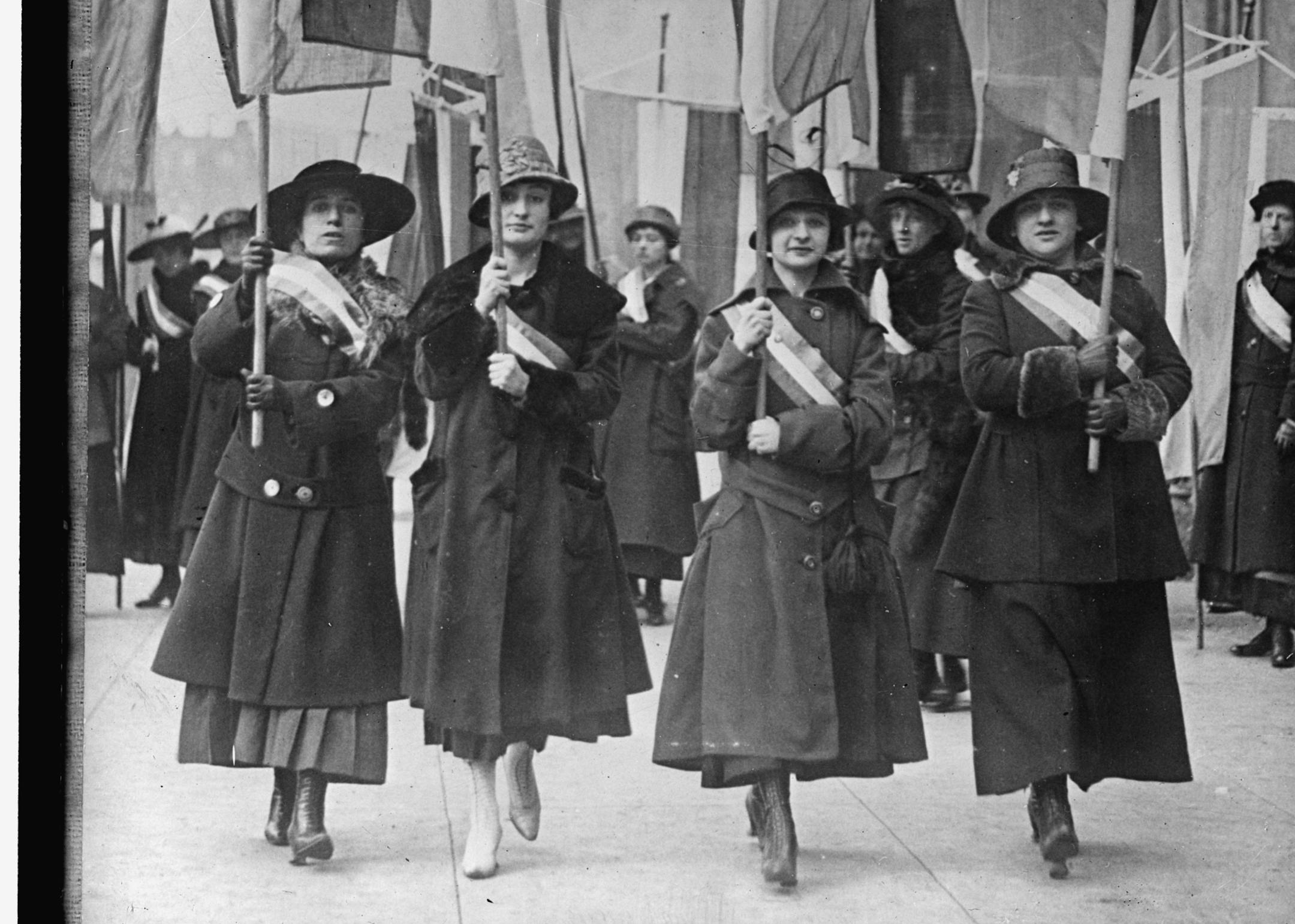
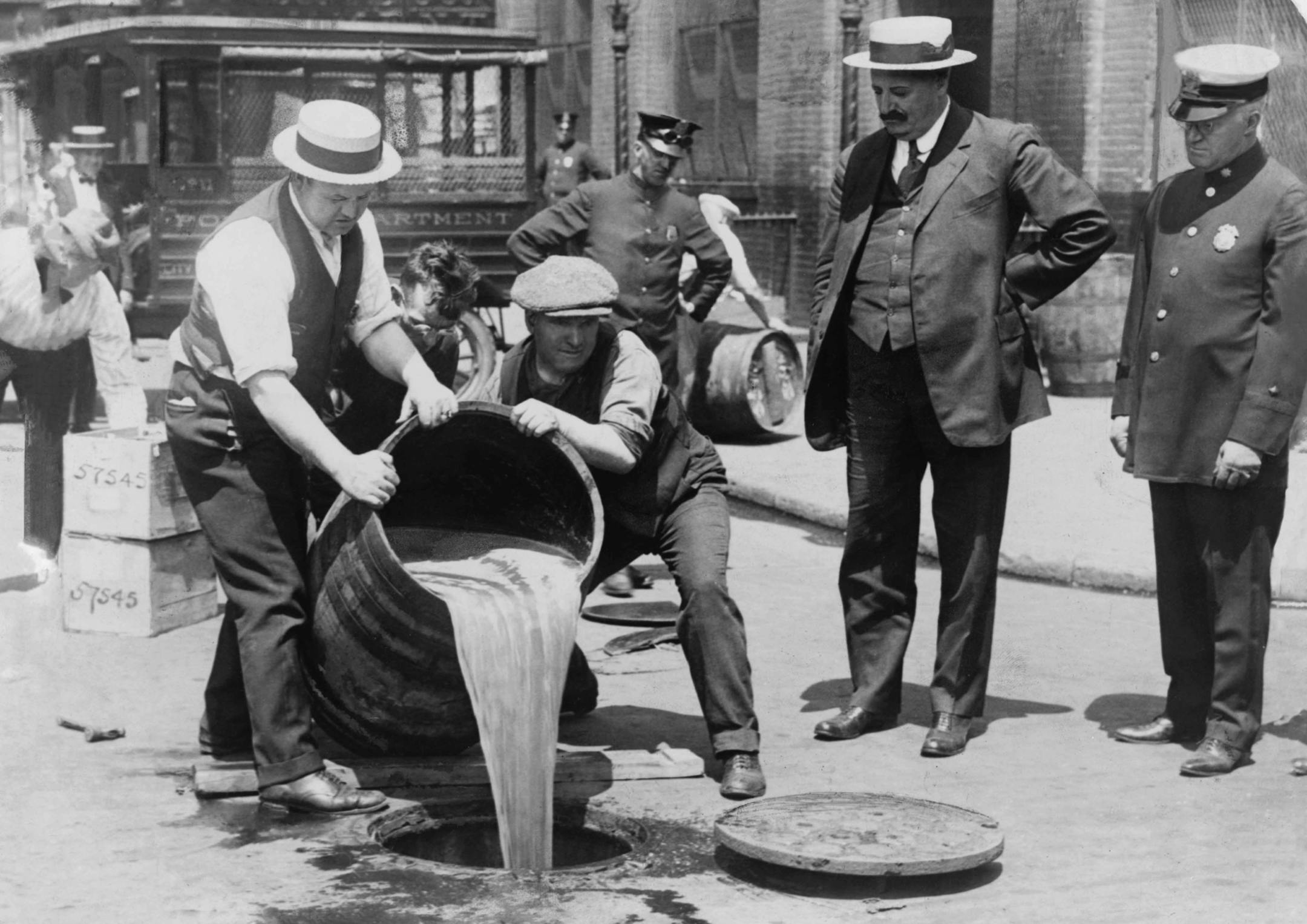
Thanks to those two bold measures, "intoxicating beverages" could no longer be legally manufactured or sold in the United States (18th Amendment). And women could no longer be denied the vote (19th).
The two landmark reforms were related. Women had long played a leading role in local, state and national campaigns for "prohibition." When the country actually went dry, and women got the vote soon afterward, there was a progressive — and progressively stronger — expectation that women would play an ever greater role in campaigns for societal betterment.
Each of these amendments was consistent with a legitimately progressive impulse. Prohibition was part of the progressive drive for decency, healthfulness and efficiency, both in the home and in the workplace. The women's vote was a key step in the larger progressive commitment to expanding American democracy.
In addition, both were nationalizing transformations, often favored by progressives then as now. States had long had their own laws dealing with who could drink what, where and when — and setting forth what women could or could not vote on. Now rules about both would be uniform and thorough. Or so it was thought.
Each amendment had taken a very different path on the way to ratification. And each would have a very different post-ratification impact.