
Prices for dairy products may soar

Congressional inaction on farm bill may clobber consumers with a double whammy.

December 25, 2012 at 6:59PM
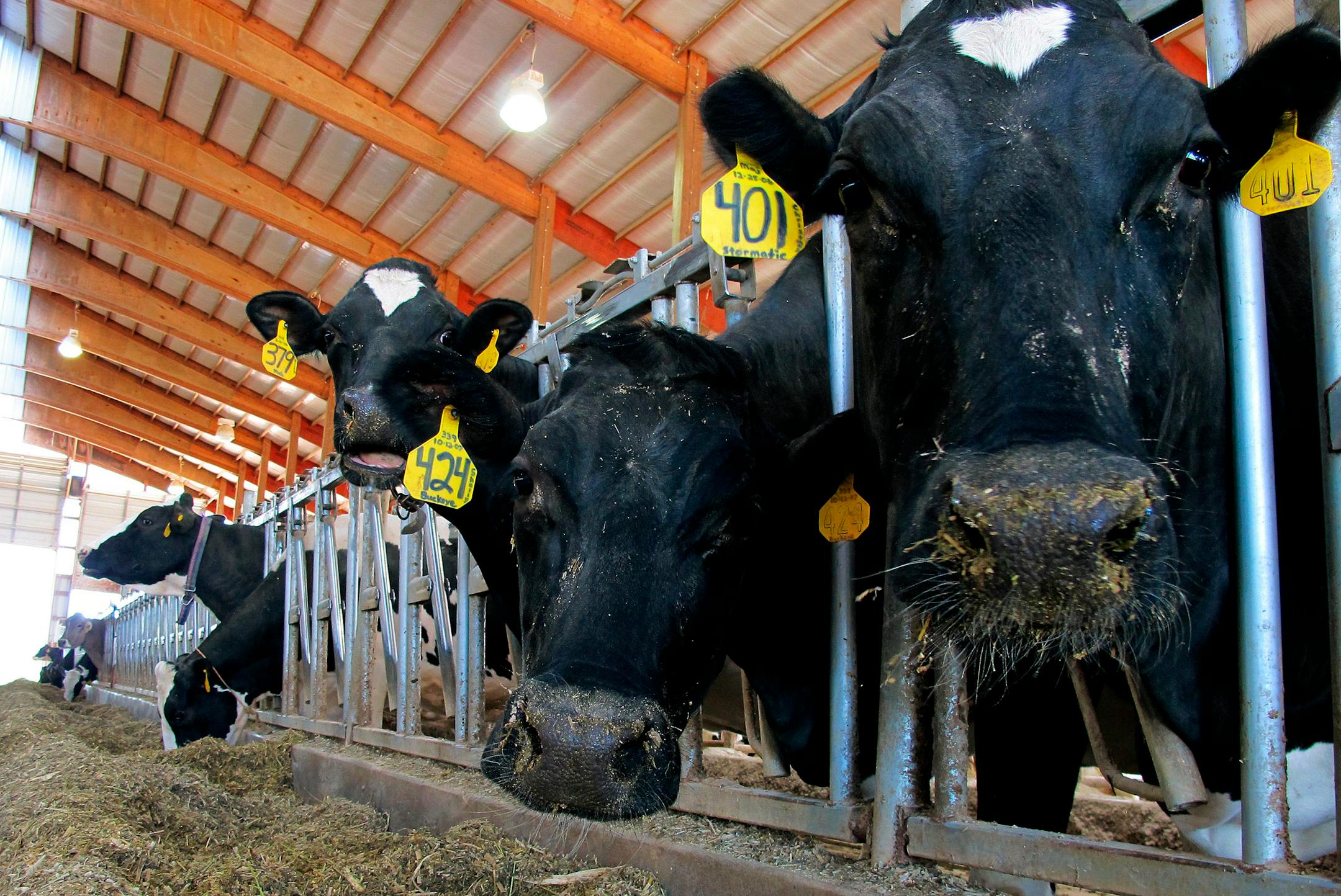
This May 2012 file photo shows dairy cows on the Meyer farm in Chilton, Wis. As the nation inches toward the economic fiscal cliff, anxiety is growing in farm country about a separate looming deadline, one that reaches into the dairy industry and, indirectly, into the household budgets of consumers who buy milk and cheese.
This May 2012 file photo shows dairy cows on the Meyer farm in Chilton, Wis. As the nation inches toward the economic fiscal cliff, anxiety is growing in farm country about a separate looming deadline, one that reaches into the dairy industry and, indirectly, into the household budgets of consumers who buy milk and cheese. (Colleen Kelly — ASSOCIATED PRESS - AP/The Minnesota Star Tribune)

WASHINGTON - Among the twisted consequences of Congress' frayed fiscal cliff negotiations is the possibility of dramatically higher prices for dairy products.

Without an update to the nation's milk program, the country would revert to a 1949 pricing system that would force the government to buy and store vast quantities of milk, butter and cheese, cutting supplies and pushing up prices.

Estimates of the effect on prices run to 50 percent higher or more. Meanwhile, the government's tab to take dairy products out of supply could run into the billions.

"It would not be out of the question for a large proportion of domestically manufactured dairy to head into ... storage," said Scott Brown, an agricultural economist at the University of Missouri.

Congress could have headed off this scenario by passing a new farm bill or extending the current one, but that hasn't happened. Rep. Collin Peterson, a farm-policy expert who represents Minnesota's Seventh Congressional District, hoped to attach an extension to a fiscal cliff bill.

Failing that, the U.S. Department of Agriculture (USDA) must begin in January to buy dairy products and store them. "If they don't raise the price [of dairy products], they can be sued by dairy farmers," Peterson explained.

But that increase could be delayed by the sheer novelty of the situation. Peterson, the ranking Democrat on the House Agriculture Committee, said that there is no mechanism in place for the USDA to start buying up milk and that it's unclear how quickly that would happen.

A delay might allow the 2013 Congress to take remedial action before consumers and taxpayers suffer too much financial pain.
The stakes are enormous. Brown said government outlays for the program would total in the billions of dollars annually, with $15 billion to $25 billion "not out of the question."

High prices could cut demand

Even some milk producers who stand to profit mightily in the short term have misgivings. Bob Lefebvre, executive director of the Minnesota Milk Producers Association, said the group's 1,600 members are hoping for a congressional fix by New Year's Eve.

"From a dairy farmer's standpoint, the price going up is good. But at some point, consumption goes down," Lefebvre said. "You want people to keep drinking milk and eating dairy products. The bottom line is we need a farm bill."

Minnesota produces 9 billion pounds of milk per year, 5 percent of the nation's total.

Peterson said milk producers' opposition to production quotas in the 2013 farm bill the Agriculture Committee passed had held up action in the House. The Senate has already passed a new five-year farm bill.

50 percent price hike possible

Limiting milk production remains a sticking point for many dairy farmers.

However, Lefebvre now says his group would prefer quotas to archaic financial supports that eventually price customers out of the market.

Ryan Miltner, an Ohio lawyer who represents dairy producers and co-operatives, called the pending milk pricing situation "a double-edged sword."

"In the short term, it will be fantastic" for producers, he said. But once price increases work their way through the retail chain, "people can expect the price on the shelf to rise 50 percent." At that point, buyers will begin to think twice.

Brown, the agricultural economist, said government purchases of butter and nonfat dry milk would come first and "could happen very quickly."

Economists believe it will take several months for price increases to filter their way through the retail chain to consumers. Whether that gives Congress enough time to head off what most experts consider a self-inflicted economic crisis is unclear.

Some still cling to hope of action in the next 10 days. "I wouldn't say we have plenty of hope," the milk association's Lefebvre said. "But we're more than 50 percent sure they'll do something."

Jim Spencer • 202-383-6123

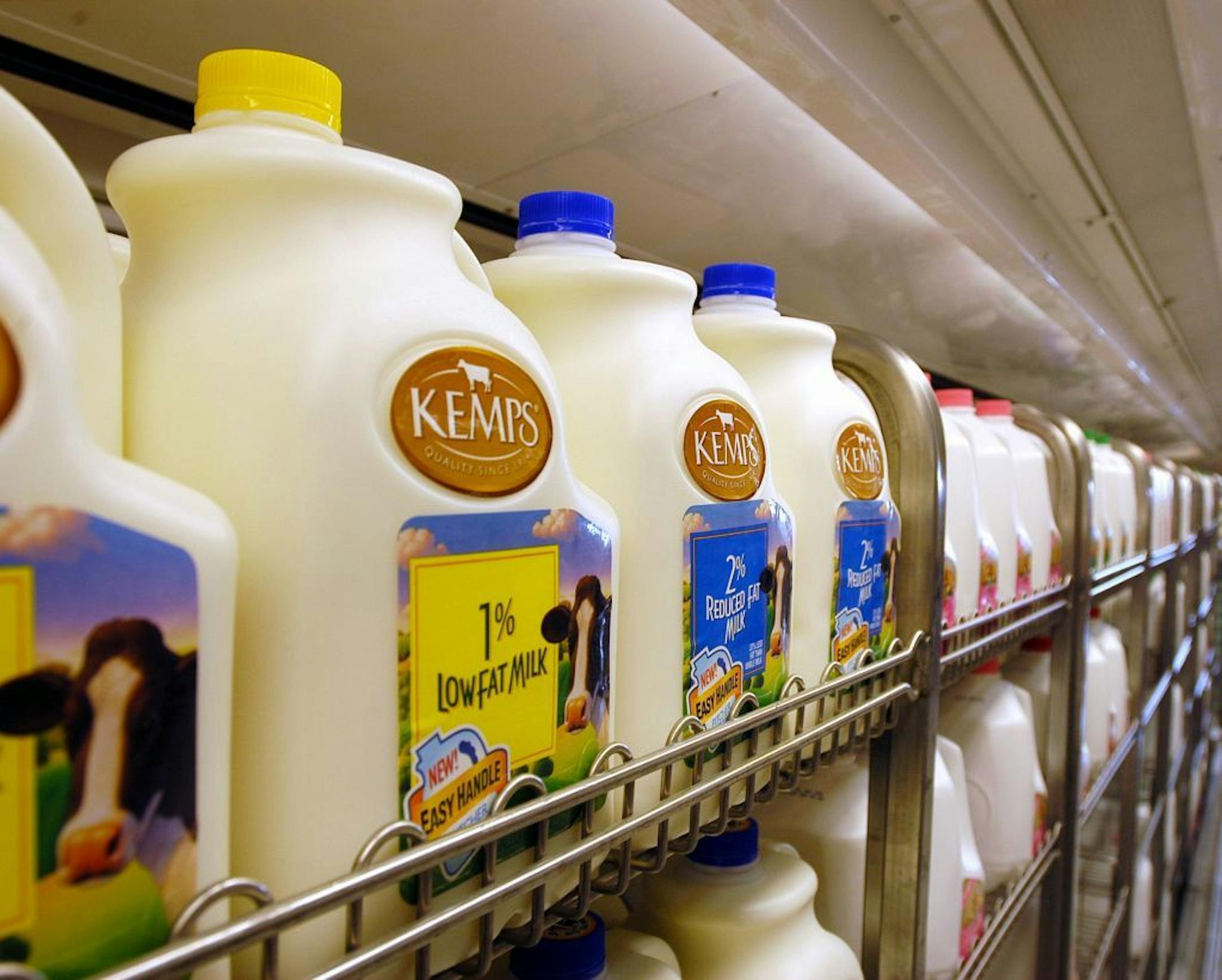
Kemps milk in 2004
Kemps milk in 2004 (Star Tribune file/The Minnesota Star Tribune)
about the writer

about the writer

Jim Spencer

Washington Correspondent

Washington correspondent Jim Spencer examines the impact of federal politics and policy on Minnesota businesses, especially the medical technology, food distribution, farming, manufacturing, retail and health insurance industries.  

See Moreicon

More from Business

See More
card image
card image
