

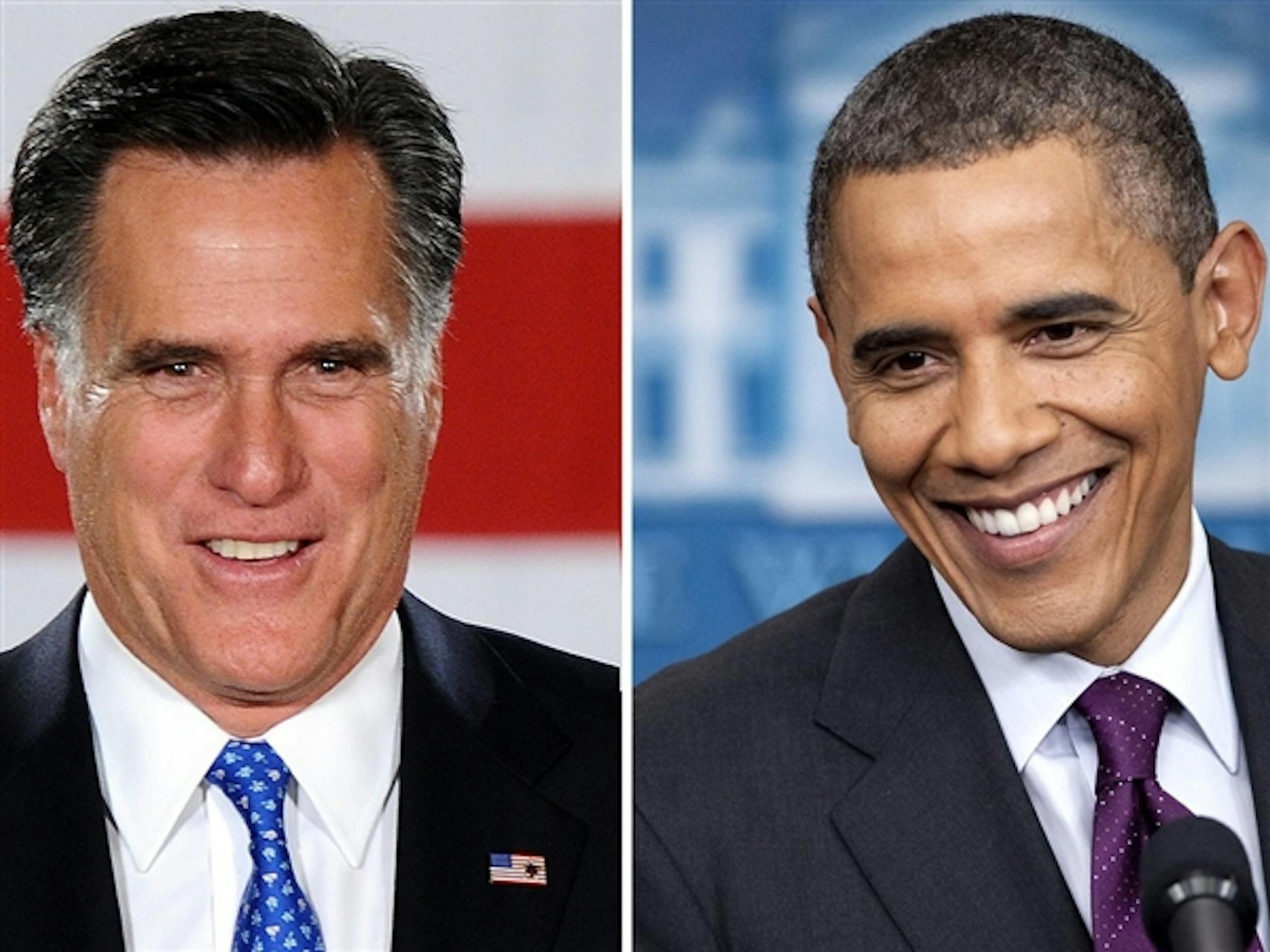
In my dream presidential debate, the moderator would ask Mitt Romney which tax breaks, exactly, he'd eliminate to pay for his rate cut. The Republican nominee, if history serves, would dodge and demur.
The moderator would try again -- employer-sponsored health insurance? mortgage interest? charitable contributions? state and local taxes? -- and then, in this fantasy scenario, announce that he would wait the allotted 90 minutes for Romney's answer.
This won't happen, though it might make for riveting television. In its place, here are some proposed questions, concentrating on budget, taxes and entitlements:
• President Obama, you have been criticized for not supporting the recommendations of your own fiscal commission. Why didn't you? Do you regret that choice?
You have offered what you describe as $4 trillion in debt reduction over 10 years. Yet your $4 trillion is $2.3 trillion short of what the Simpson-Bowles commission said was essential.
Alan Simpson and Erskine Bowles, your commission cochairs, said your plan "does [barely] stabilize the debt," but "at a dangerously high level and with no margin for error." Are they wrong? Or do you need to do more -- and if so, shouldn't you prepare voters for what this entails?
• Gov. Romney, you have described your approach as "very similar to the Simpson-Bowles plan." Yet the essence of that plan is to reform the tax code to raise revenue and pay down the debt -- not merely to finance lower rates.
Do you believe it's possible to reduce the debt without increasing revenues, either by raising rates or eliminating or curtailing tax breaks -- in other words, not simply through economic growth? If yes, why has every serious commission concluded otherwise -- that a blend of spending cuts and higher taxes is required?


