

Developers are seeing a changing regulatory landscape and continuing challenges with delays and costs as they look to take advantage of an improving economy to build on formerly polluted sites, a group of local experts says.
Speaking this month to environmental and real estate attorneys at a Minnesota State Bar Association legal education session, panel members with long histories in redeveloping contaminated land said that while it remains a complicated and costly proposition, state and local governments are still committed to helping -- especially now that the market is favoring urban "infill" sites.
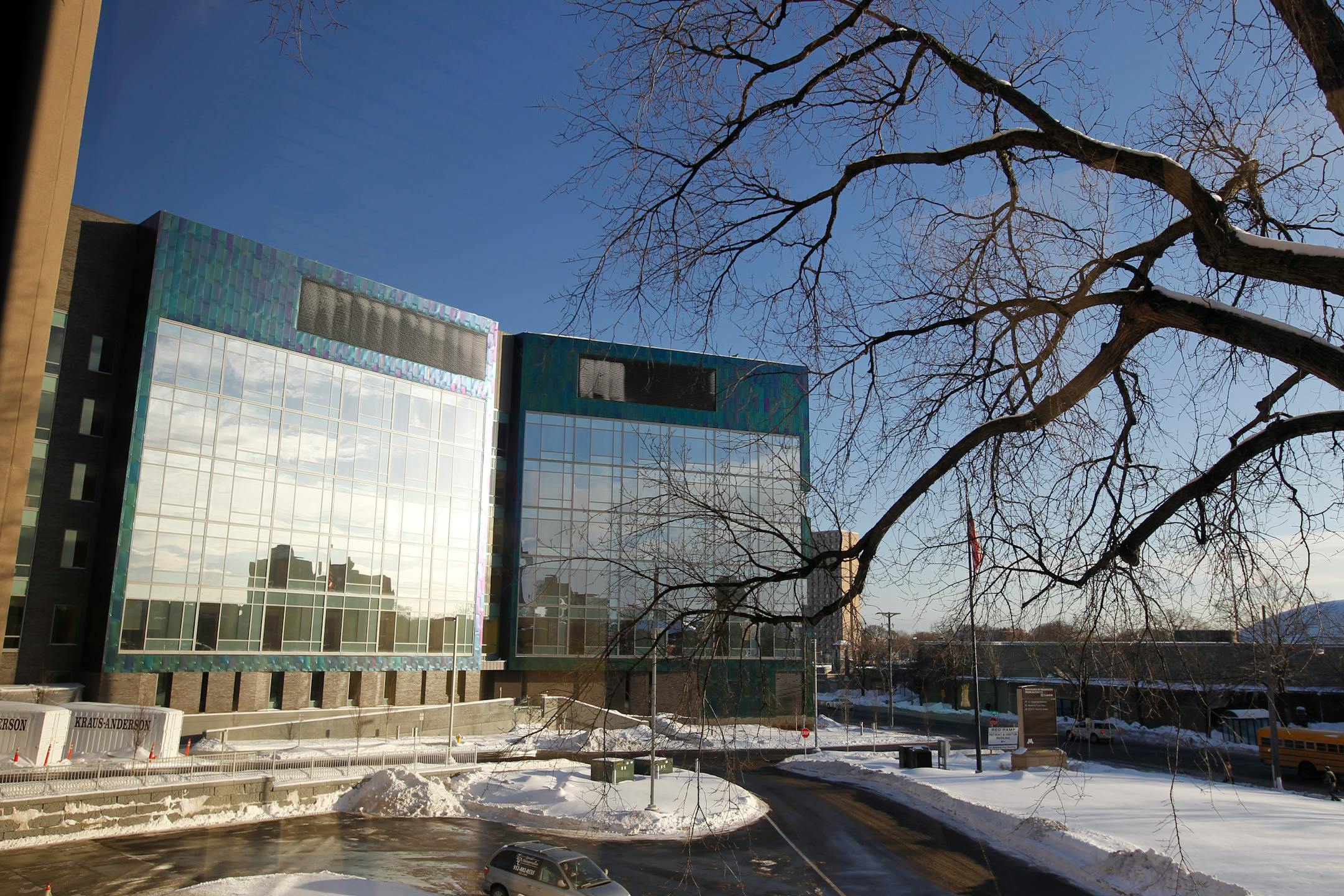
The Minnesota Pollution Control Agency says the pace of brownfields redevelopment is picking up as the economy improves. It is touting how its Voluntary Investigation and Cleanup Program (VIC), has expedited several recent projects, including the building of the University of Minnesota's $175 million Amplatz Children's Hospital along Riverside Avenue in Minneapolis.
In that effort, some 770 cubic yards of soil contaminated with lead and polyaromatic hydrocarbon compounds left over from when the site hosted tire-repair and battery businesses had to be excavated and removed to an industrial landfill.
But the VIC program -- which seeks to spur sales of contaminated land by assuring buyers they won't be held liable for future problems if they follow approved clean-up methodology -- has undergone a recent change in direction, environmental consultant Dan Holte of Braun Intertec said.
"They're trying to get down to their core mission of brownfield redevelopment" with the change, he said.
The MPCA late last year decided to narrow the scope of who is covered under VIC by removing those projects in which the parties responsible for the pollution are doing the clean-up themselves. Many of those projects have dragged on for years because they are highly complicated and have no prospective buyer waiting in the wings.
Instead, those cases will be covered by a new regulatory regime while staffers with the VIC program will be freed up to work with parties who want to move quickly on redevelopment projects while the market is hot.



