Hog farmers don't talk about the "other white meat" anymore, but the emphasis on fast-growing, lean pigs reflected in that 1980s-era marketing campaign still dominates the industry.
Packing companies prefer pigs with muscle and not fat, to maximize efficiency, and consumers still prefer light-colored pork when they are shopping at the supermarket.
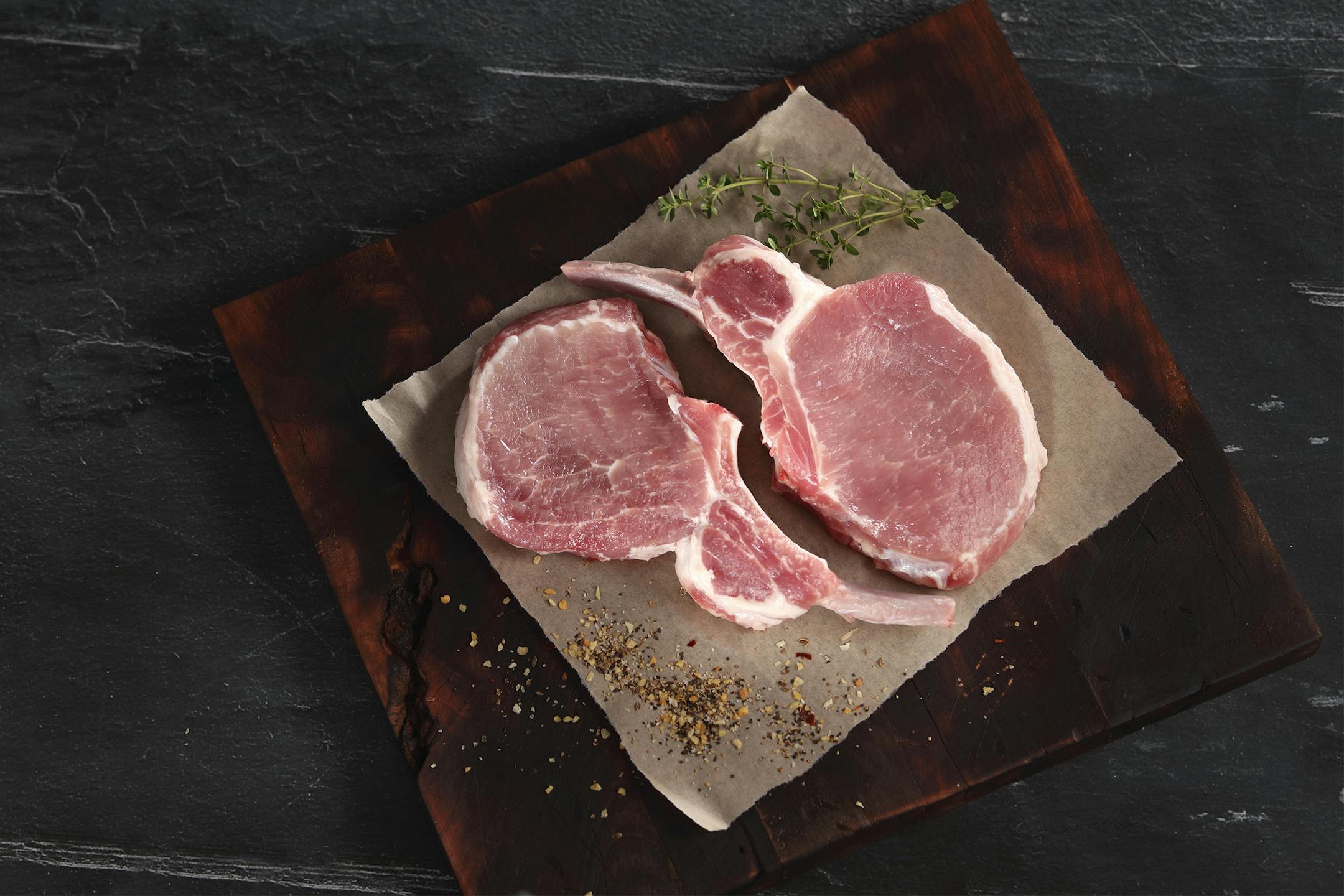
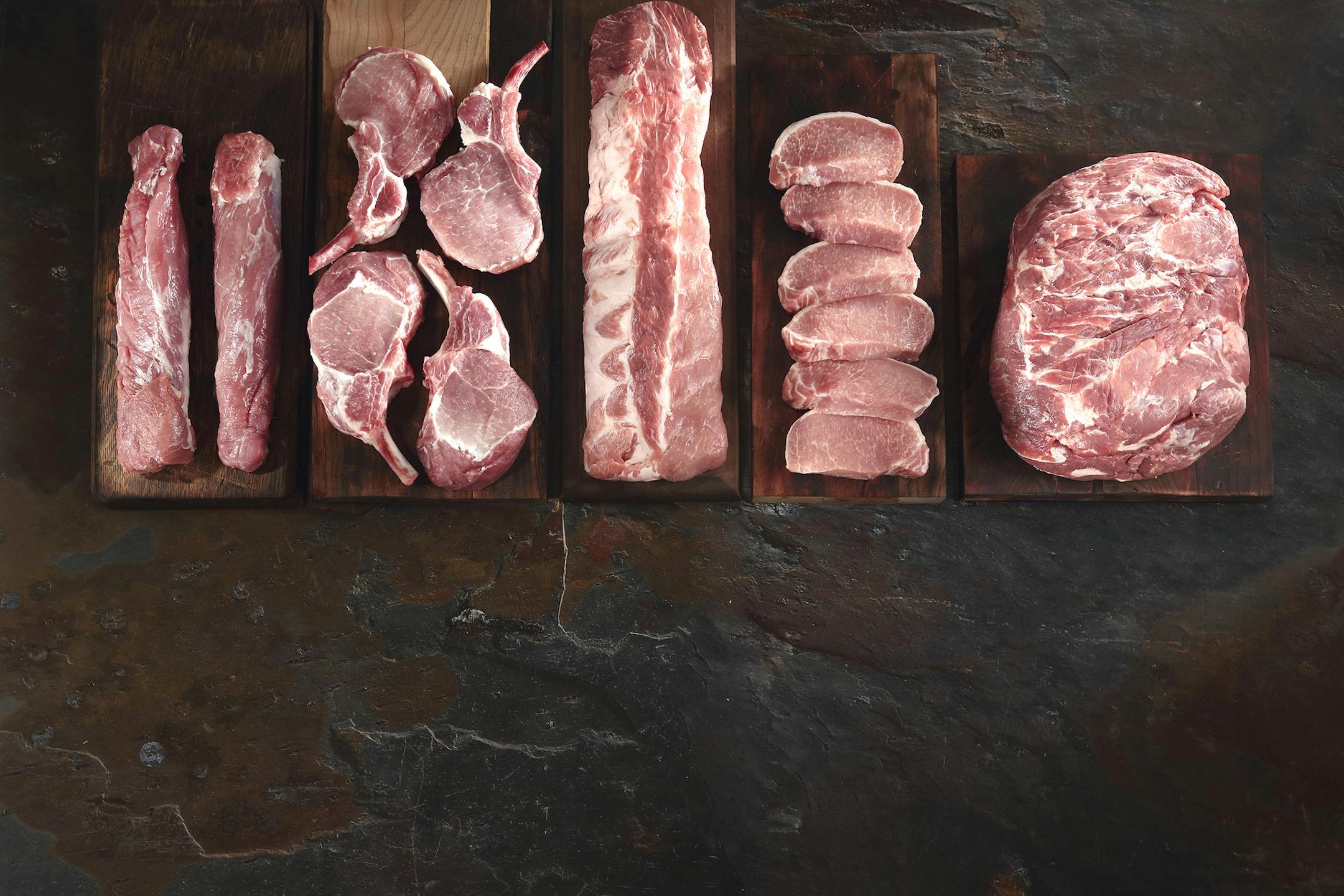
A couple of Minnesota businesses are hoping to change that by raising a darker-colored, marbled pork that's juicier and more tender.
The latest example is Comfrey Farm, a business in Windom, Minn., that's butchering 5,000 pigs per day from four nearby, tightly controlled farms, and already exporting to Japan.
"Pork isn't supposed to be white," said Ernie Davis, the chief executive of the company, which is owned by Glen Taylor, who also owns the Star Tribune.
The company's meatpacking plant employs 500 people in a former beef plant that shut down in 2015 and was purchased by Taylor. Comfrey is working through "certified Duroc" approval for its products from the National Swine Registry, and plans to roll out its brand directly to consumers in December.
The Duroc breed, whose pigs are reddish-brown to golden with droopy ears, has been around since Columbus brought red pigs with him to the Americas on his second voyage. The name didn't emerge until a breeder in New York named a red boar after his then famous trotting stallion — Duroc.
The pigs are known for marbling and darker color, but in the later part of the 20th century, lean, white meat took over the industry. Whiter breeds of pigs are not only leaner but the sows birth larger litters, which made them more efficient for an industry that was consolidating fast and marketing itself to America as the "other white meat," likening pork to chicken.