

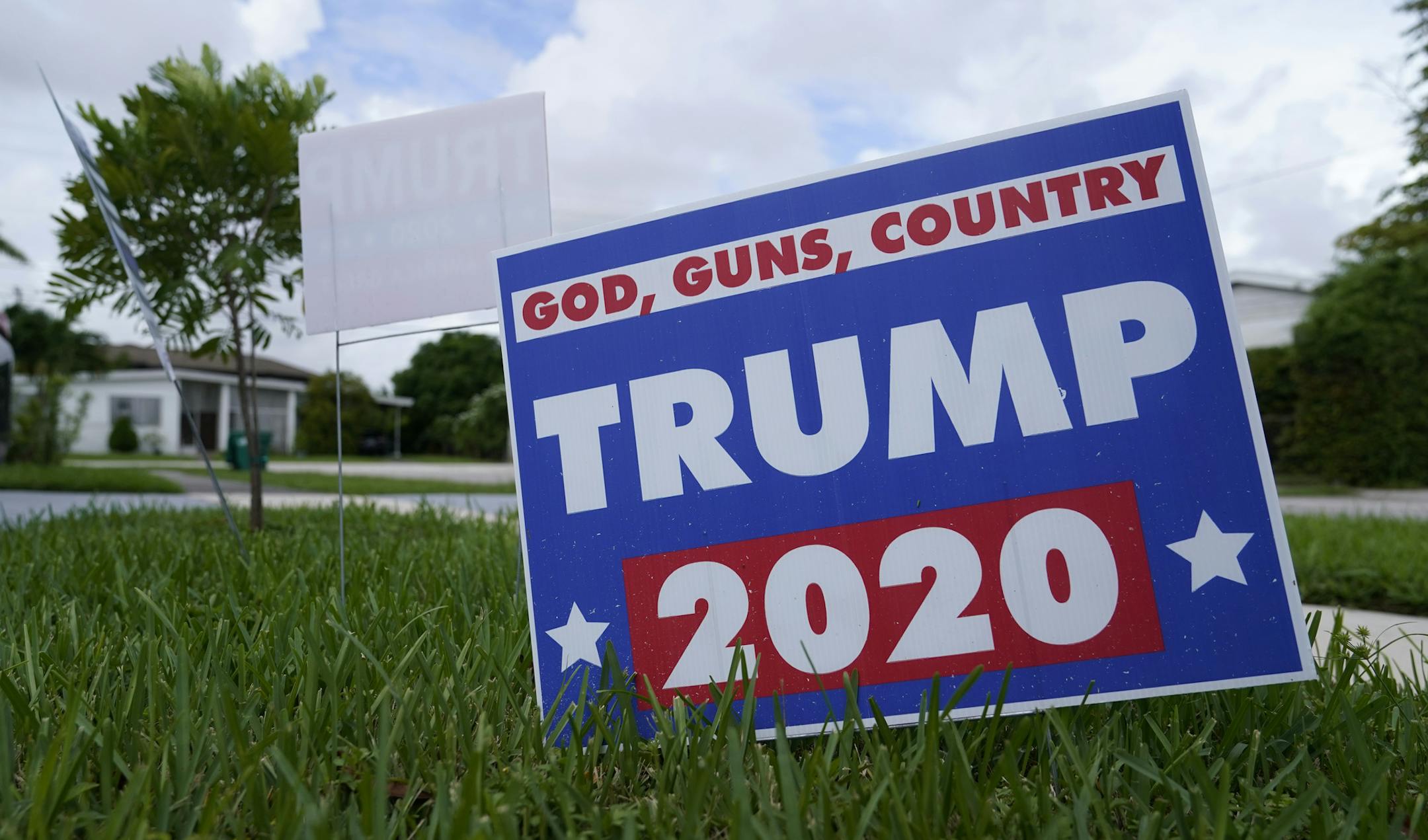
As an old feminist movement slogan goes, "the personal is political." Unfortunately, in today's polarized atmosphere you may not know politics are getting too personal until it's too late.
A couple of years ago, we saw the Thanksgiving effect. After the 2016 presidential election, according to a study published in Science magazine, the length of the average Thanksgiving dinner was 30 to 50 minutes shorter for Americans who crossed partisan lines to get to their family celebration compared with those who traveled to areas that voted like their own.
I call it the Grumpy Uncle effect, although I also have found more than a few Grumpy Aunts as well. Just about every family seems to have at least one grump whose politics differ from everybody else's around the table, and the rancor seems to have become more heated in the Trump era.
A 2016 Pew Research Center poll found most Americans choose to spend their time with people who vote the same way as they do — and increasingly see people who disagree with them as downright evil.
And Gallup earlier this year found the most divided results the polling giant reportedly had ever seen in presidential approval numbers, with 89% of Republicans and only 7% of Democrats approving of President Donald Trump.
Against the backdrop of those well-known partisan differences, I was still dismayed to find that 47% of Republicans judged Democrats to be more immoral than other Americans and 35% of Democrats said the same about Republicans.
People, as Rodney King famously said, can we all get along?
That question forms the subtext of "Swing State," a documentary project by Wisconsin filmmaker Bryan Oldenburg who interviewed voters from red and blue counties across the Badger State to get a ground-level view of how their status as a key battleground state in the race to win the Electoral College had affected their lives.


