With new claims for unemployment benefits inching down, a growing number of Republican governors around the country have announced they are withdrawing from an array of federal pandemic-related jobless benefits.
The moves, scheduled for June and July, will affect roughly 2 million people in 16 states, according to a calculation by Oxford Economics, a forecasting and analysis firm. Of those workers, 1.4 million on unemployment would lose benefits altogether, it said.
The programs being abandoned include a weekly $300 federal supplement to regular benefits; Pandemic Unemployment Assistance, which covers freelancers, part-timers and others not eligible for state aid; and extended federal benefits for workers who have exhausted their regular allotment of unemployment insurance.
After more than a year of being whipsawed by the pandemic, the economy has been showing new life. Restrictions are lifting, businesses are reopening and job listings are on the upswing.
"Overall, jobless claims are about three times as high as they were pre-COVID, but they're coming down," said Heidi Shierholz, senior economist at the left-leaning Economic Policy Institute.
But hiring in April was weaker than expected and the labor market's slow recovery from the staggering losses wreaked by the pandemic is breeding frustration and uncertainty.
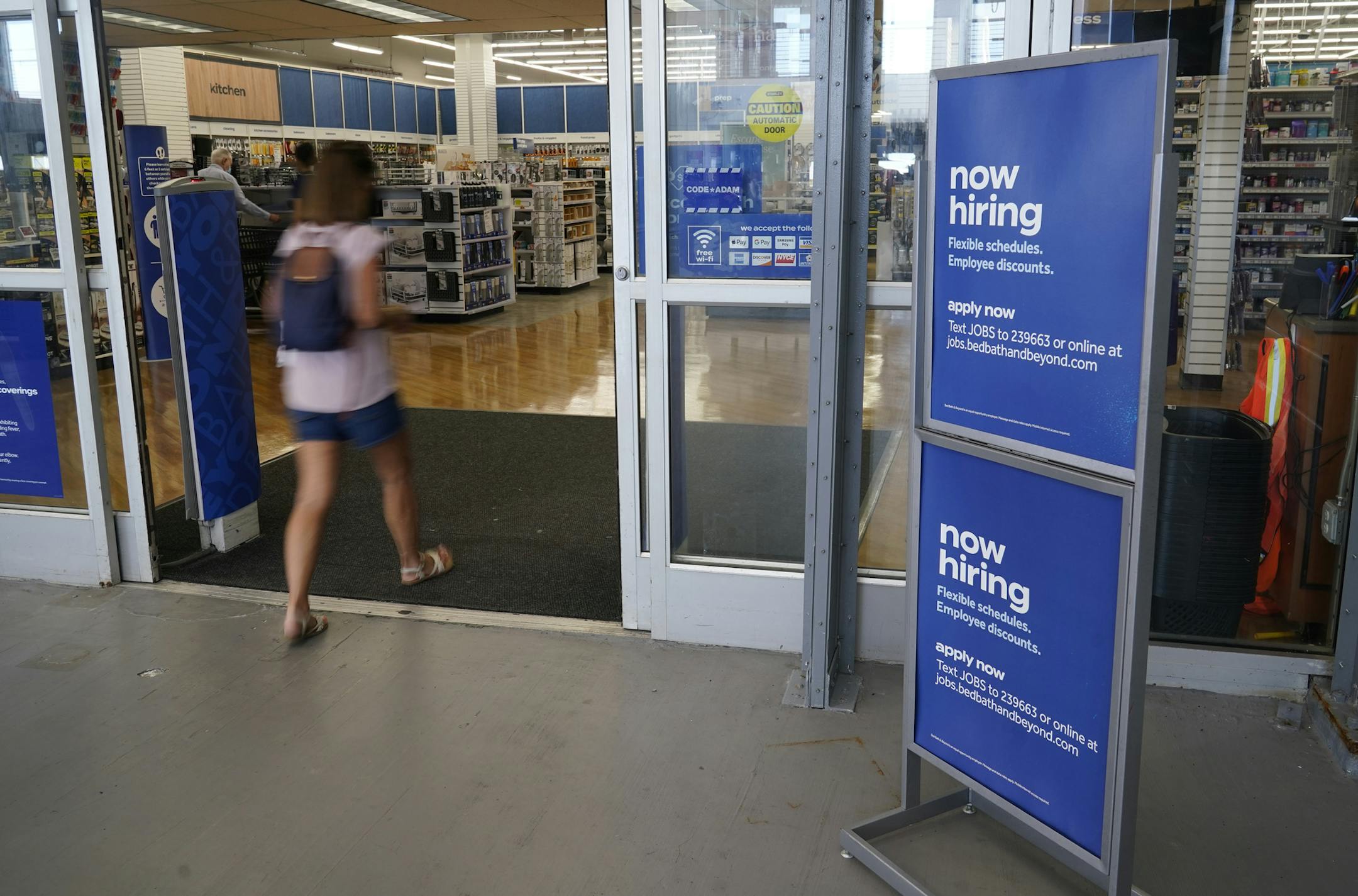
Some employers, particularly in the restaurant and hospitality sectors, have complained of having trouble finding workers. The U.S. Chamber of Commerce and many Republican politicians have argued that a temporary $300-a-week federal unemployment supplement has made workers reluctant to return to the job.
States that have announced plans to end pandemic-related unemployment benefits, which are federally funded but administered by states, before the Sept. 6 expiration date are Alabama, Arizona, Arkansas, Georgia, Idaho, Iowa, Mississippi, Missouri, Montana, Ohio, North Dakota, South Carolina, South Dakota, Tennessee, Utah and Wyoming.