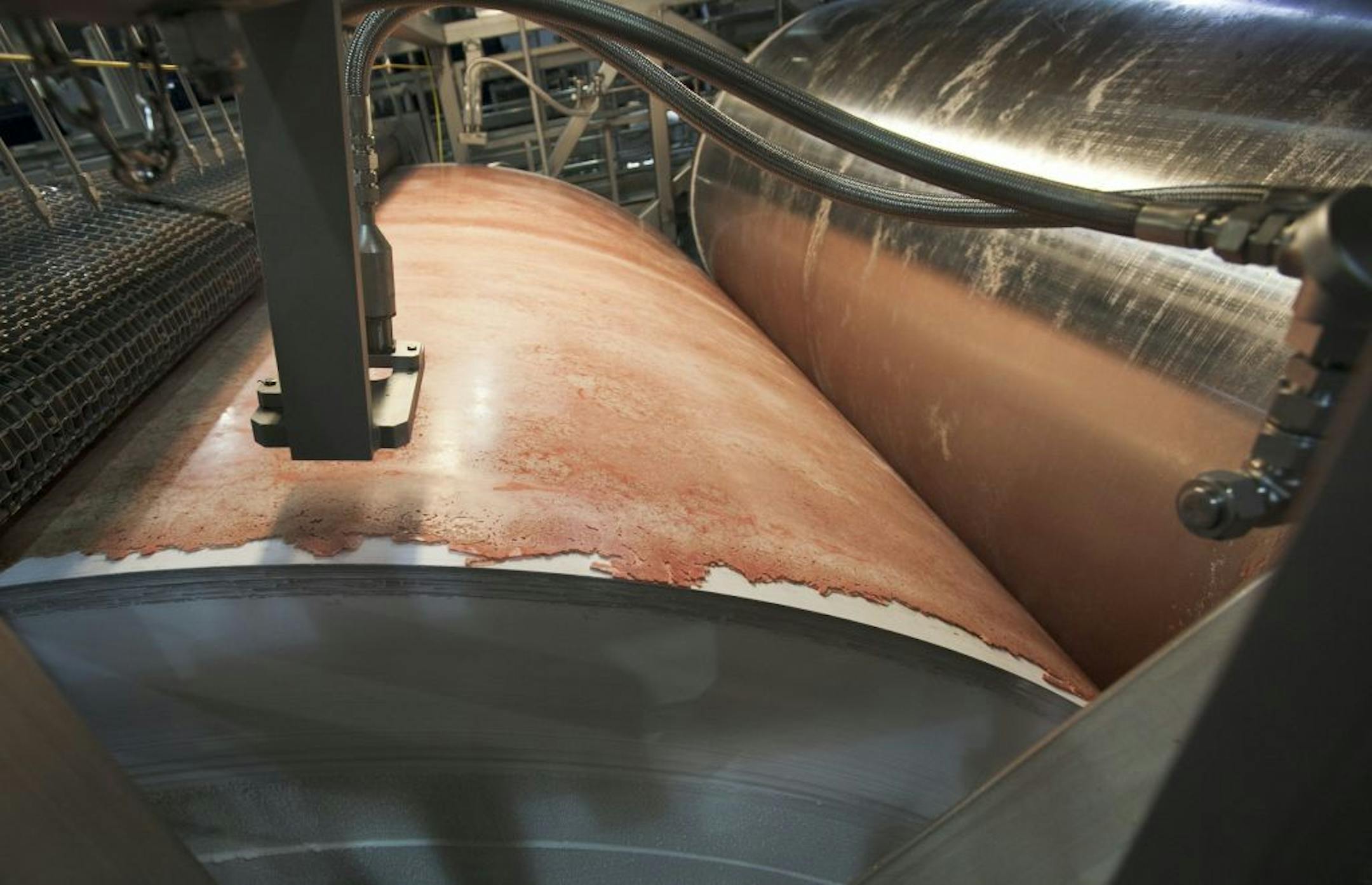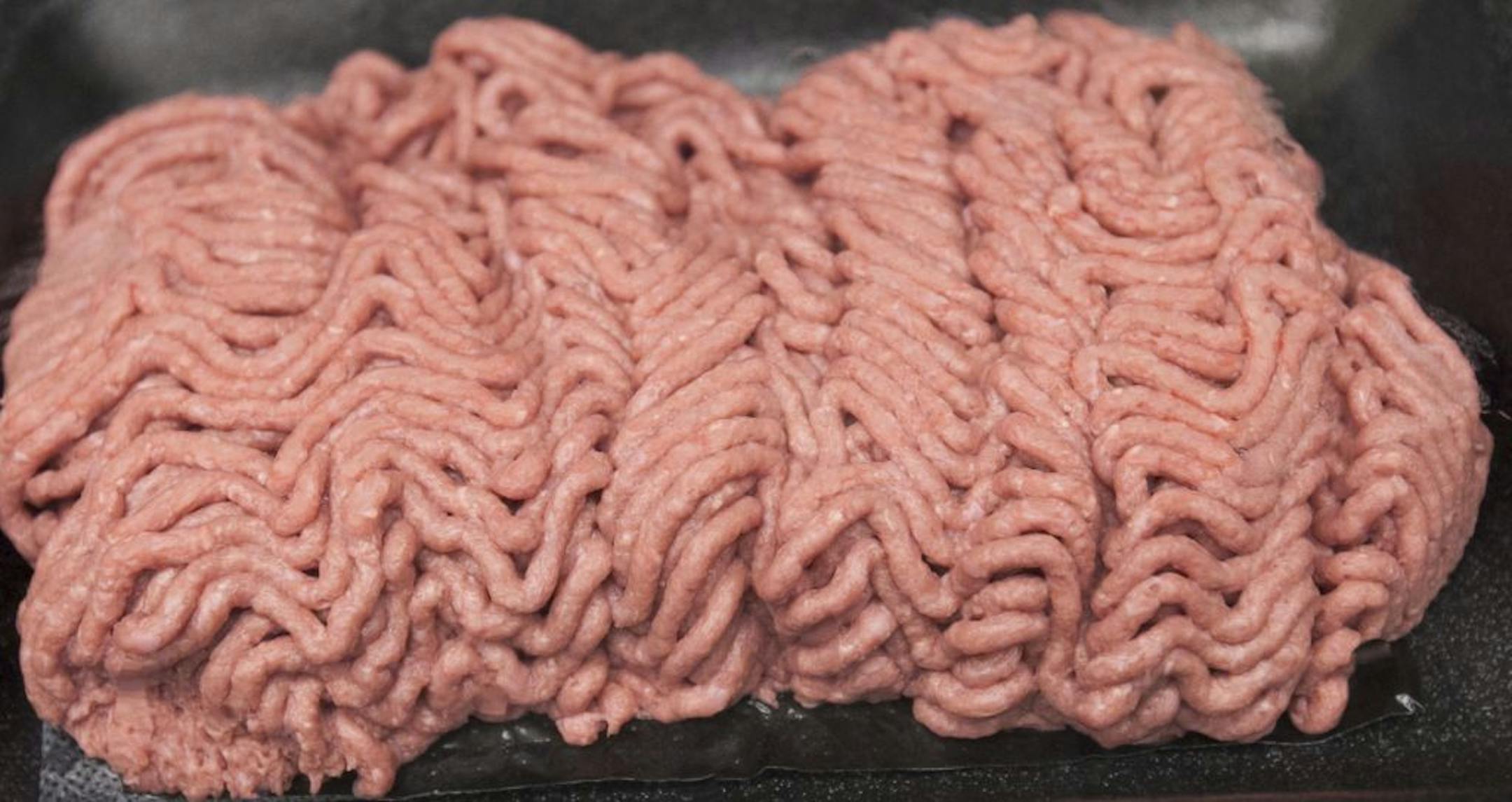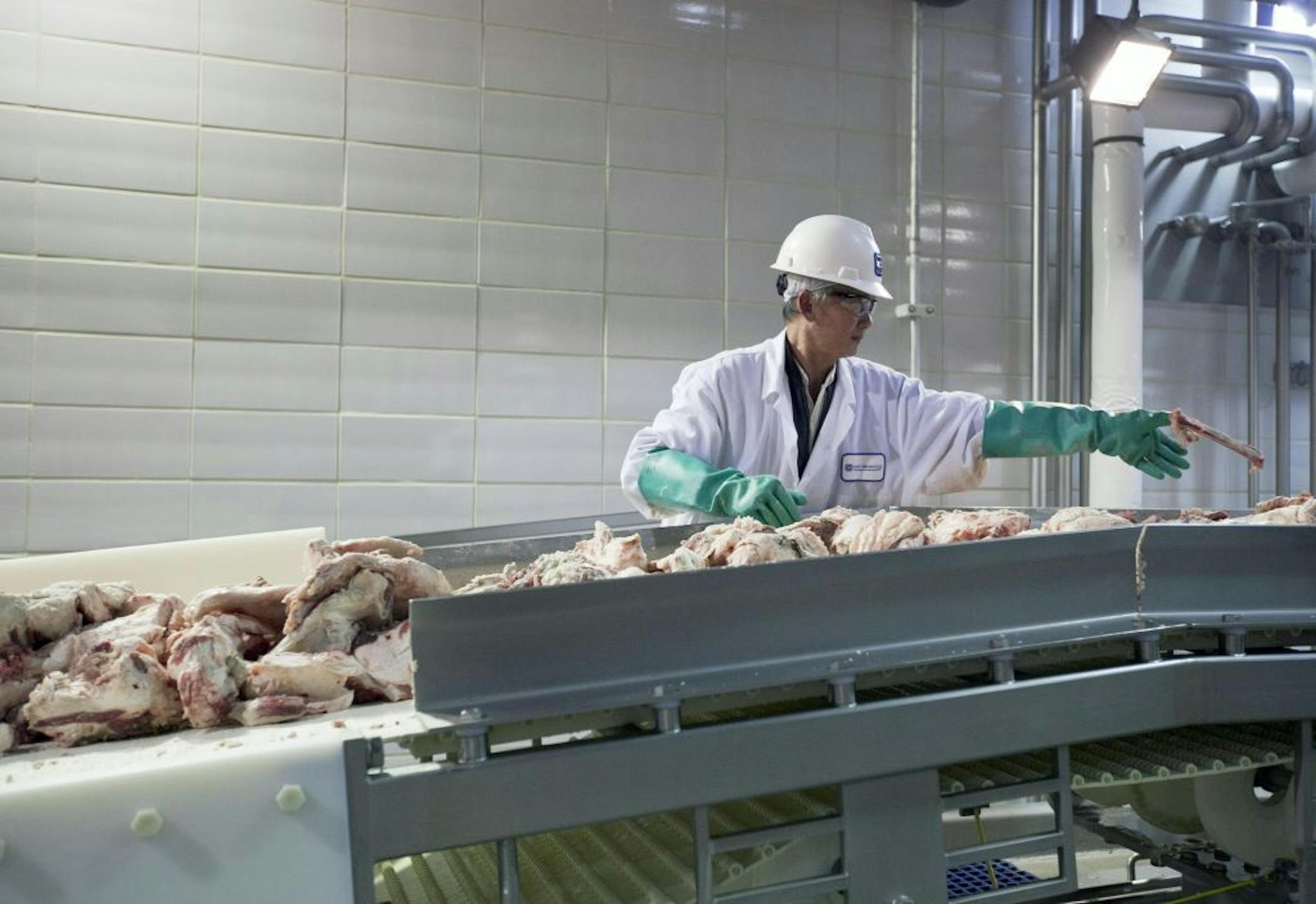
CHICAGO - The consumer backlash against a meat product made from leftovers and treated with chemicals is making a bad situation worse for Cargill Inc. and Tyson Foods Inc. ahead of the beef industry's peak sales period.
Kroger Co., the largest U.S. grocery-store chain, last month stopped buying ground beef containing what processors call lean, finely textured beef, while Wal-Mart Stores Inc. said it would offer customers meat without the additive.
Lower demand for the product -- dubbed "pink slime" by critics -- has prompted Minnetonka-based Cargill, the biggest U.S. beef processor, to scale back output of the lean meat at four plants. Tyson says beef supply will decline. The companies, already dealing with higher cattle costs, may start labeling ground beef with the product as the industry tries to win back shoppers' confidence ahead of the U.S. summer grilling season.
"If demand remains lackluster, it will impact beef processors' profitability," said Farha Aslam, an analyst at Stephens Inc. in New York.
Ground-beef sales, including trimmings, fell 11 percent to 37.7 million pounds in March, the smallest amount sold for that month in 10 years, according to U.S. Department of Agriculture wholesale data compiled by Bloomberg. Packers saw prices for wholesale choice beef fall 7.8 percent in March, the most since October 2008, USDA data show.
Even before lean, finely textured beef became a live issue for the meat industry last month, the U.S. beef industry was paying more for corn used to feed cattle while prices of the animals rose after a drought in the southwest United States shrank herds.
U.S. processors on average have lost money on the cattle they slaughtered since September, according to Stephens. Losses per head have averaged $82.14 this year, the investment bank estimates.
'Well below' last year