

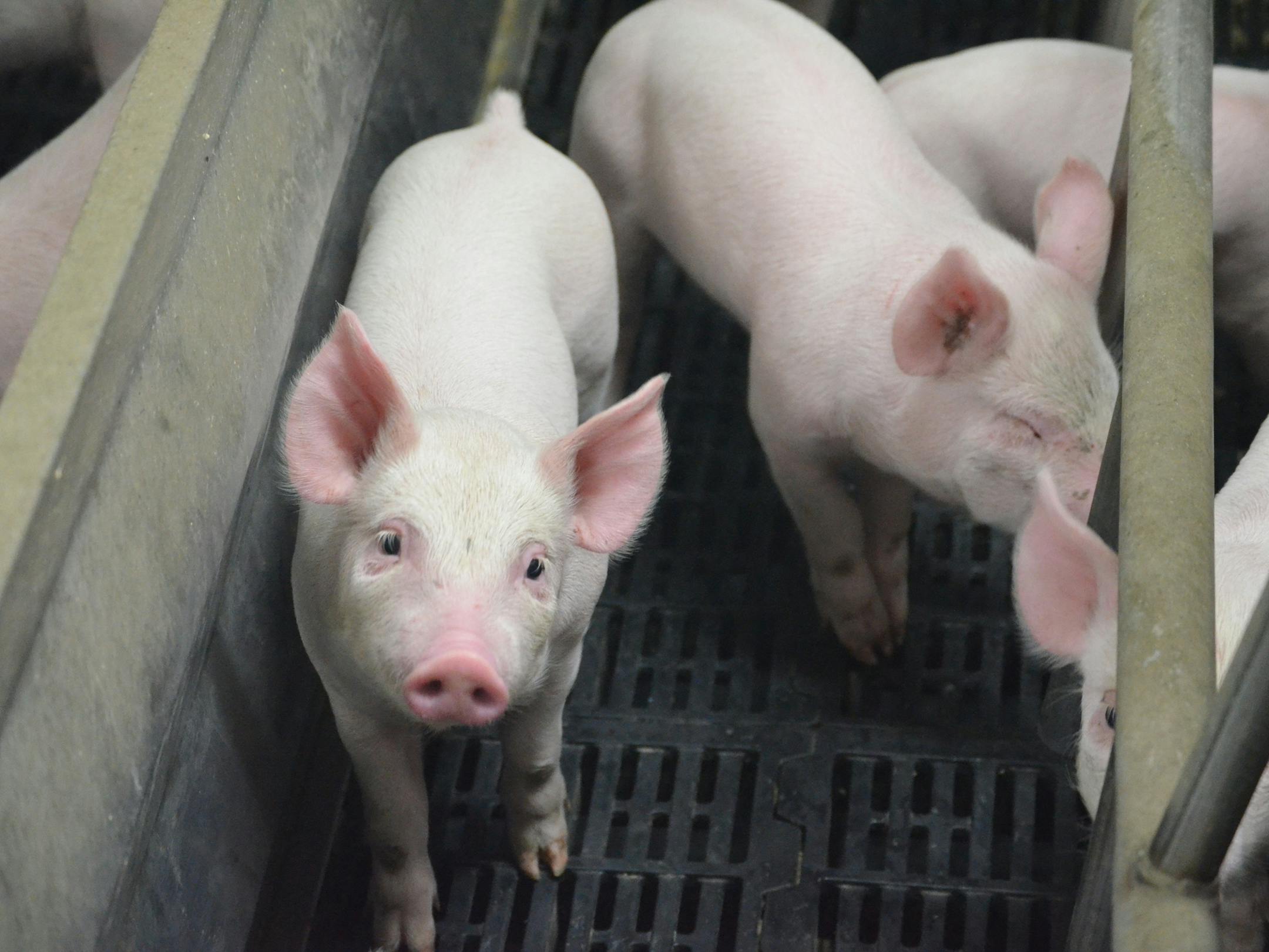
Consumers may experience sticker shock at supermarkets this summer as they shop for bacon, ham and other pork products because of a virus that has killed more than 7 million baby pigs across the country, including Minnesota.
Pork prices are 15 percent higher than one year ago, and they're likely to shoot higher soon. U.S. hog futures, which have soared 50 percent this year, set a new record last week. Federal officials recently announced new mandatory reporting requirements effective immediately to get a better handle on the disease.
Porcine epidemic diarrhea virus (PEDv) likely originated in China, but no one knows how it entered the United States in May 2013, or how long it may take to control it. The highly contagious disease has spread to 30 states and infected an estimated 50 to 60 percent of swine farms.
The stakes are high for Minnesota, the nation's second-largest pork producer after Iowa, and home of two large pork processing plants: Hormel in Austin and JBS in Worthington. The virus spiked in Minnesota during the heart of winter and is still infecting herds, although at a slower pace.
"This is an extremely big deal," said Jim Collins, director of the Veterinary Diagnostic Laboratory at the University of Minnesota. "It's extremely important to the swine industry in Minnesota, which is a huge agricultural business."
Several hundred Minnesota farms have been affected by the virus, according to the U's College of Veterinary Medicine, and Minnesota has the second-highest number of positive cases in the country, as reported to the National Animal Health Laboratory Network.
The virus has alarmed and frustrated the swine industry, since there is no vaccine to prevent the disease. Farmers have ratcheted up biosecurity to keep their farms isolated, or in some cases to prevent the disease from reinfecting their herds.
Despite all the concerns, the good news is that PEDv is infectious only to swine, and is not a food safety concern, said Dave Preisler, executive director of the Minnesota Pork Producers Association. "It's not a disease that affects other animals, and it's not a disease that affects humans," he said. "Because of that, it has had no effect on exports."



