In plastic evidence bags lay Justine Ruszczyk Damond's pajamas from that night: the pink top emblazoned with the words "Koala Australia," stained and ripped from when the paramedics tried to save her. Next to it was the iPhone she used to summon the police officer who eventually shot her.
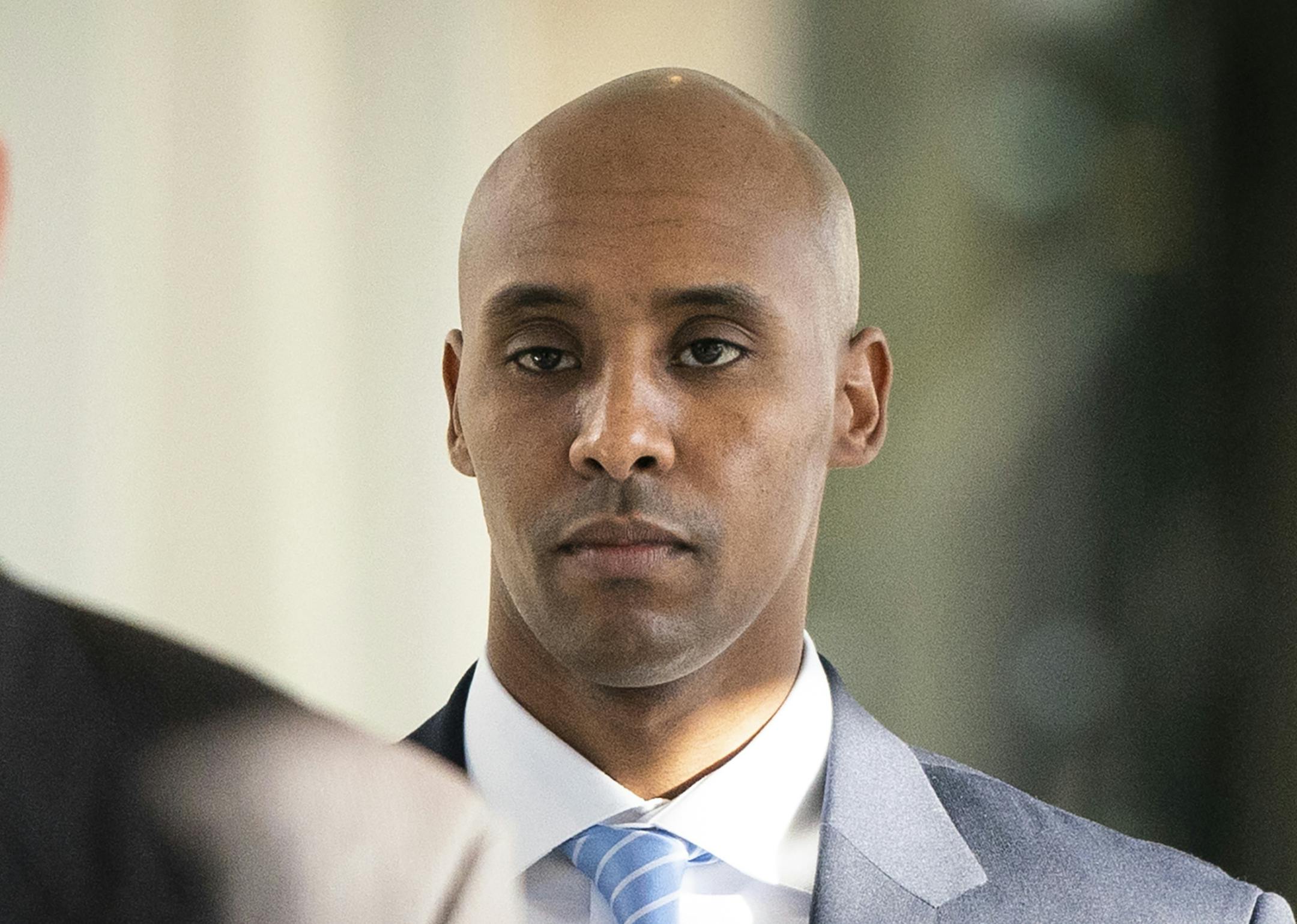
On Friday, for the first time since the guilty verdict, Hennepin County courts allowed the public to examine the physical and most graphic body-camera evidence from the trial of Mohamed Noor, the former Minneapolis police officer who shot and killed Damond, an unarmed woman, in summer 2017. The murder verdict, though extremely rare in cases of police shootings, has done little to satisfy community members wondering why or how it all happened.
The release of evidence came after weeks of legal fights between a coalition of media partners and the judge, who sought from the beginning of the case to limit public access to the trial and its roughly 300 pieces of evidence. On Thursday, the court released audio files ranging from Damond's 911 calls reporting a possible sexual assault to several body-camera videos recorded by officers on the scene.
Some came looking for more answers Friday.
In a hushed 12th-floor room of the courthouse, reporters and a few members of the public paced through what resembled a museum of the final moments and immediate aftermath of Damond's life, each piece telling a little more of the story.
The blue uniforms Noor and his partner Matthew Harrity wore that night were still affixed with their badges, wrapped in plastic bags and tagged as evidence, along with the bullet-resistant vests, cellphones and utility belts with heavy metal flashlights.
Their guns were displayed in cardboard next to the single discharged bullet, flattened in the nose from impact.
Binders of photos began with a familiar portrait of Damond smiling in front of a lush palm backdrop, then transformed into a sequence of medical examiner photos showing the fatal wound on the left side of her abdomen.
![Officer Noor's weapon, a 9mm glock. ] GLEN STUBBE • glen.stubbe@startribune.com Friday, May 24, 2019 Evidence presented in the trial of former Minneapolis police officer Mohamed Noor was made available for public viewing Friday.](https://arc.stimg.co/startribunemedia/OZ2AHEWGOPX2GE4T4RIBCS5MEQ.jpg?&w=1080)
![Officer Noor's uniform. ] GLEN STUBBE • glen.stubbe@startribune.com Friday, May 24, 2019 Evidence presented in the trial of former Minneapolis police officer Mohamed Noor was made available for public viewing Friday.](https://arc.stimg.co/startribunemedia/LRWE6AKRUC4D624FJFUIGUXZ5A.jpg?&w=1080)