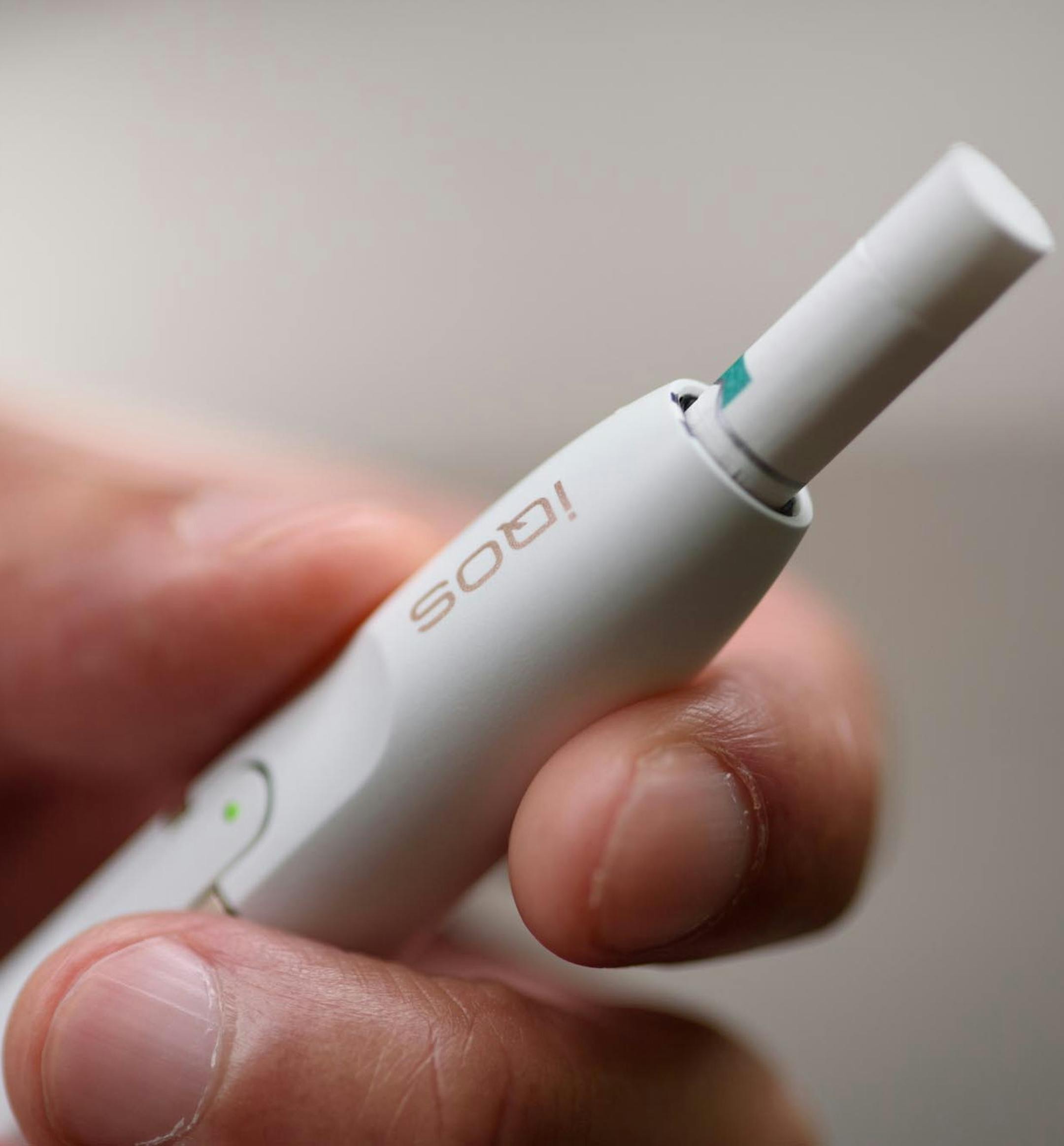
Philip Morris International Inc. is taking a rather old-world approach to tackle slowing sales of its high-tech smoking devices in Japan: hitting the streets.
The tobacco company is shifting a large majority of its 1,000-employee sales force in Japan to target elderly smokers with direct appeals, discounts and money-back guarantees. The effort is an attempt by the Marlboro maker to sell to an older generation — Japan's largest demographic that's more price sensitive and less responsive to social media — its next-generation iQos smoking device.
The change in tactics is the latest twist in the battle to find new customers for the high-tech products. Tobacco companies are becoming increasingly vulnerable to falling smoking rates and tighter regulations around the world. Seeking new revenue streams, Imperial Brands said Wednesday it's jumping into the Japanese market with its first heated-tobacco product, while rivals Philip Morris, Japan Tobacco Inc. and British American Tobacco are investing billions of dollars in cigarette alternatives.
U.K.-based Imperial, trying to catch up with its bigger rivals, said it will debut its Pulze device in Japan as smokers there are already familiar with products that heat tobacco without burning, according to Chief Executive Alison Cooper. The company predicted that such smoking alternatives may add as much as 1.5 billion pounds ($2 billion) in revenue in 2020.
Philip Morris has said it aims to eventually stop selling traditional cigarettes altogether as it shifts to heat-not-burn devices. British American named a new chief executive to take over the company's transformation amid the industry's upheaval.
What happens in Japan is important because it's the most developed market for the heated devices and has become a test case for how the high-tech segment could expand across the globe. The category is different from the electronic-cigarette market, which is dominated in the U.S. by Juul Labs Inc.
The back-to-basics approach by Philip Morris is the next stage in the battle for customers in Japan after an initial surge in popularity for the products. Previously, supply couldn't keep up with demand. Tobacco shops kept waiting lists and limited purchases per customer. But in recent months, companies have been reporting a slowdown in growth, raising concerns among investors about the category's potential.
With the market of early adopters now saturated, Philip Morris needs to take to the field, raising awareness in rural areas and among the elderly. About 80 percent of the company's sales team in Japan is now geared toward direct customer interaction. Previously, the goal focused entirely on maintaining relationships with its sales network of small convenience and tobacco shops, said Haruki Kato, Japan sales director for the New York-based company.