

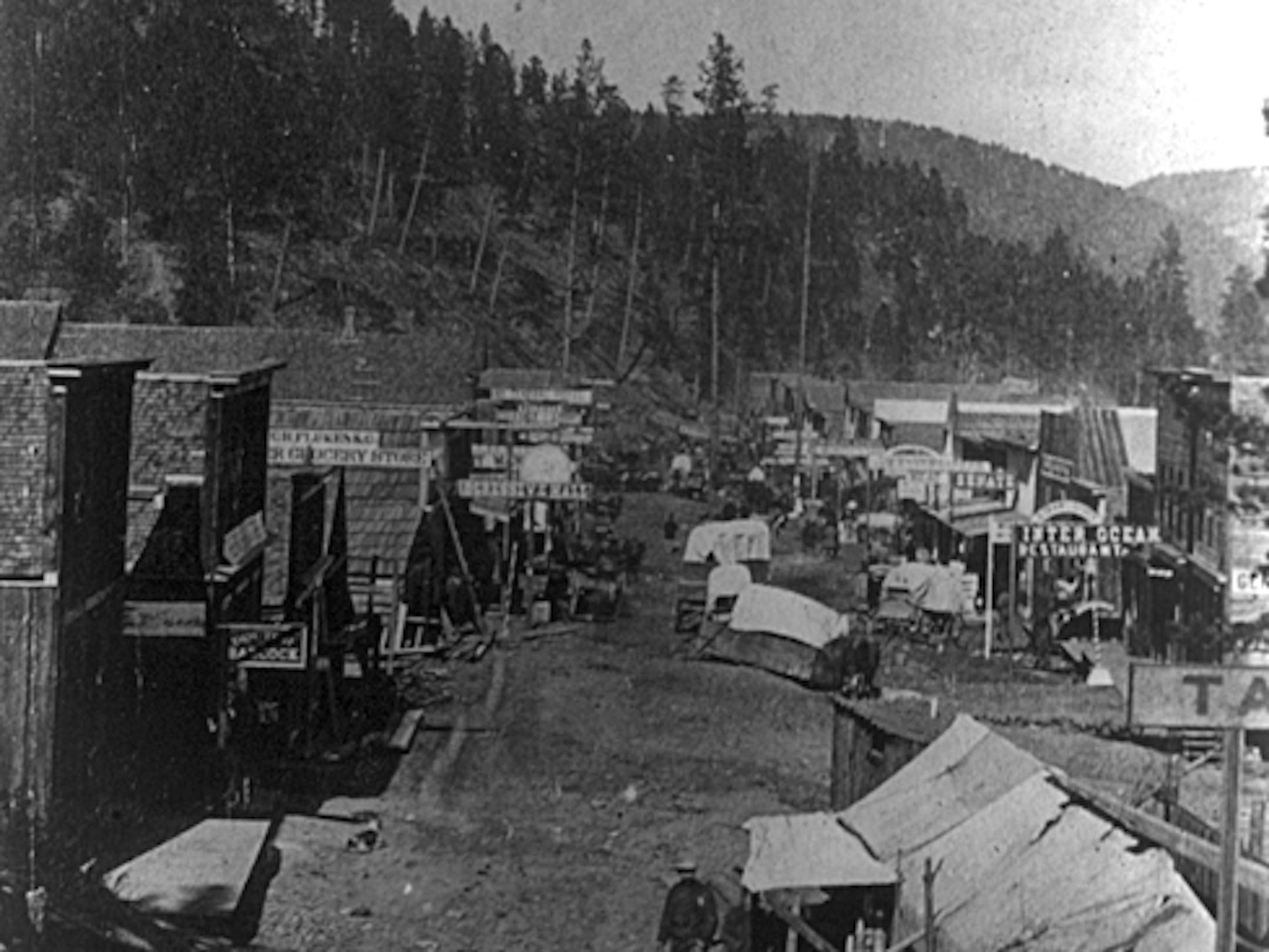
On July 8, 1877, the New York Herald declared that Deadwood, a South Dakota town near the Black Hills that had been established on land stolen from the Lakota Indians, “was beyond question the wickedest spot this side of the infernal regions.”
Writer Peter Cozzens’ “Deadwood” asserts that this view — which also appeared in the National Police Gazette, a popular men’s magazine, and dozens of Edward L. Wheeler’s “Deadwood Dick” dime novels — hardened the town’s reputation “as a place to hunt gold, gamble, consort with prostitutes and then die brutally.”
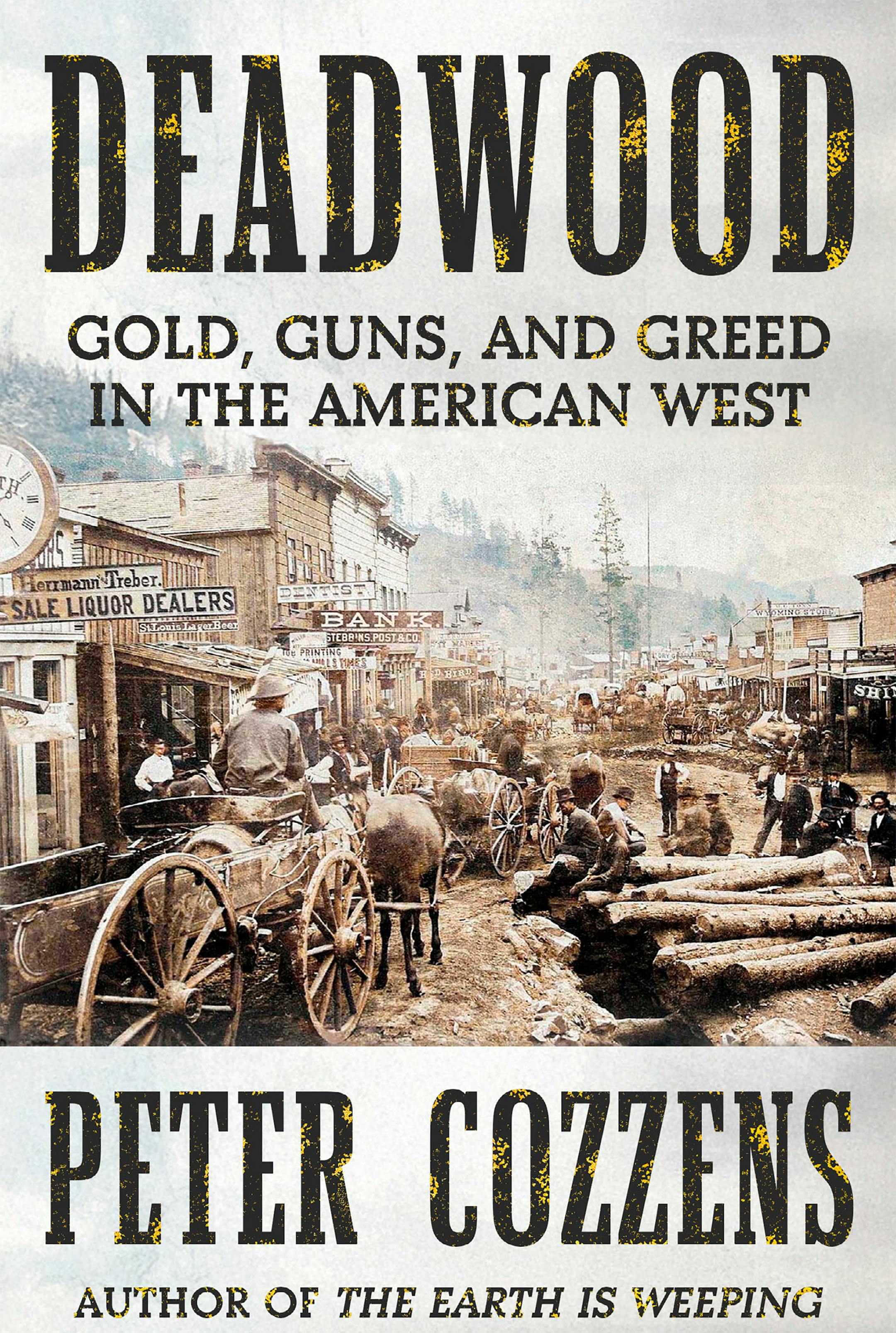
Cozzens — the author, among many other books, of “The Earth Is Weeping: The Epic Story of the Indian Wars for the American West” — provides an often-fascinating account of the early years of this iconic frontier town.
“Deadwood” busts myths about the town’s colorful characters. When Wild Bill Hickok was shot in the back of his head while playing poker, Cozzens reveals, the legendary lawman probably was not holding a pair of aces and a pair of eights, now known as the “dead man’s hand.” Calamity Jane (Martha Jane Canary) was nothing like Wheeler’s heroine, who became an outlaw to get revenge on men who had sexually abused her and to protect innocent women from a similar fate. Nor did she marry Hickok or try to track down his killer.
The generously-illustrated book also captures everyday life in Deadwood. Within months, newcomers to Deadwood built hundreds of buildings, including a church, a bank, a school, a hospital, several theaters and many saloons, gambling halls and houses of ill-repute. The town had its own newspaper. Merchants financed the last leg of a telegraph line. By an overwhelming vote, residents voted to organize a local government, which created a police force and adopted regulations for the sale of gunpowder, the location of a slaughterhouse, as well as maintenance of streets, alleys, sidewalks and a cemetery.
Deadwood had a well-deserved reputation for ethnic diversity and racial tolerance, Cozzens claims, with some exaggeration. Unlike many towns in the West, Deadwood permitted Chinese people to own property. Cozzens acknowledges, however, that most Chinese residents held jobs — laborers, servants, launderers — white workers deemed beneath their dignity. And goodwill toward the small number of Black people depended on the political affiliation of whites. Democrats, for example, harassed them, excluding them from juries and voting.
Not surprisingly, Cozzens devotes a considerable amount of space to crime. Miners toting gold dust, he notes, were easy targets. Fistfights were common, usually over gambling or women. Pistol-whippings and accidental shootings were more frequent than gunfights. Stagecoach robbers often encountered locked boxes they weren’t able to open. Verdicts rendered by juries, most notably the acquittal of Hickok’s killer, often were inexplicable.
When mines began to come up empty in the late 1870s, we learn, Deadwood’s population declined. And a massive fire in September 1879 destroyed the entire business district of the town, leaving more than 2,000 citizens homeless. Deadwood tried to rebuild, with limited success but, Cozzens writes, its “days as the gritty epitome of the Wild West were over.”


