

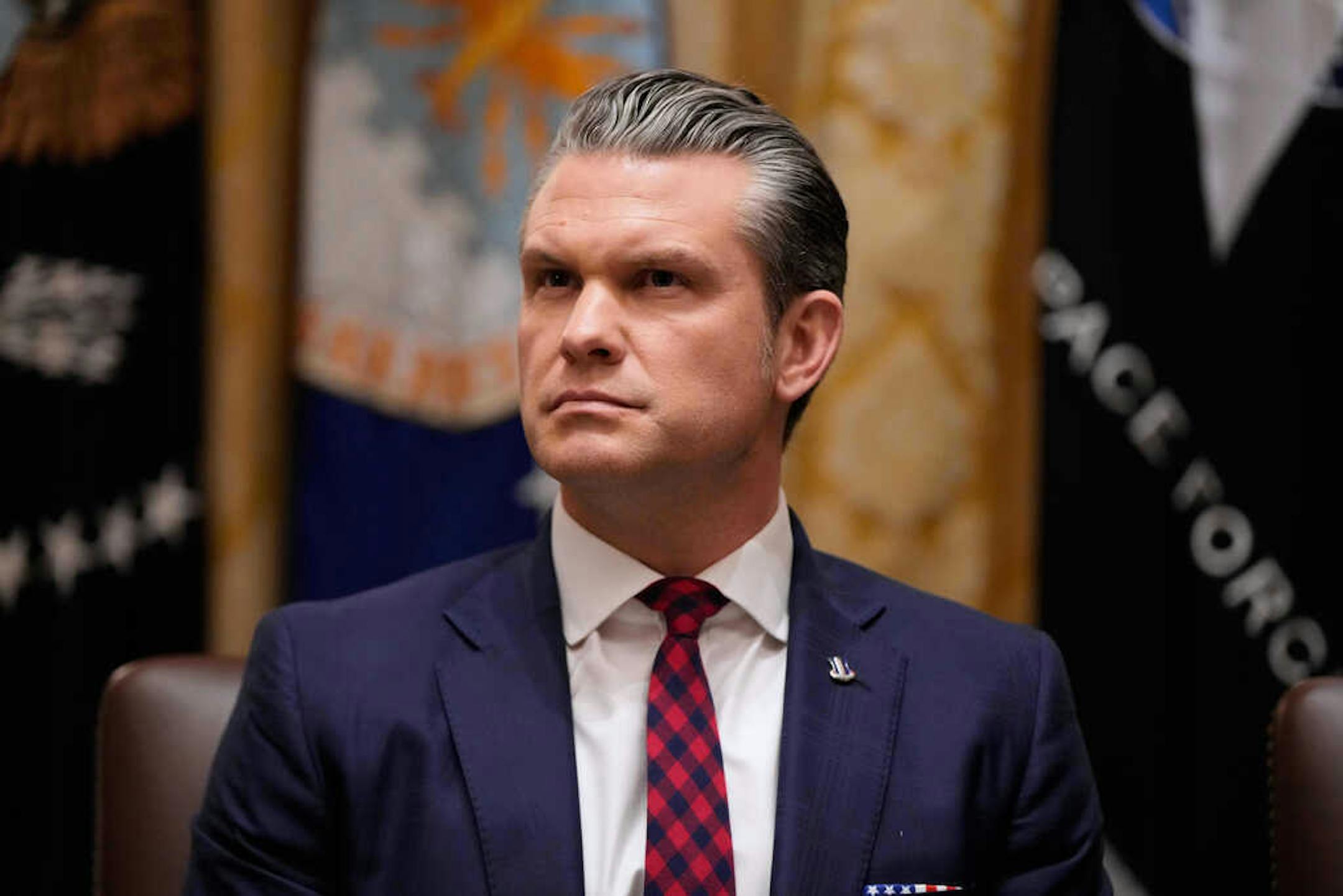
WASHINGTON — Pete Hegseth barely squeaked through a grueling Senate confirmation process to become secretary of defense earlier this year, facing lawmakers wary of the Fox News Channel host and skeptical of his capacity, temperament and fitness for the job.
Just three months later, he quickly became embroiled in Signalgate as he and other top U.S. officials used the popular Signal messaging application to discuss pending military strikes in Yemen. A Pentagon inspector general's report delivered to lawmakers Wednesday found his actions posed a risk to personnel and mission.
And now, in what may be his most career-defining moment yet, Hegseth is confronting questions about the use of military force and demands he release the videotapes after a special operations team reportedly attacked survivors of a strike on an alleged drug boat off the coast of Venezuela. Some lawmakers and legal experts say the second strike would have violated the laws of armed conflict.
''These are serious charges, and that's the reason we're going to have special oversight,'' said Sen. Roger Wicker of Mississippi, the Republican chair of the Senate Armed Services Committee.
The scrutiny surrounding Hegseth's brash leadership style is surfacing what has been long-building discontent in Congress over President Donald Trump's choice to helm the U.S. military. And it's posing a potentially existential moment for Hegseth as the congressional committees overseeing the military launch an investigation amid mounting calls from Democratic senators for his resignation.
Hegseth vowed a ‘warrior culture,' but lawmakers take issue
Since working to become defense secretary, Hegseth has vowed to bring a ''warrior culture'' to the U.S. government's most powerful and expensive department, from rebranding it as the Department of War to essentially discarding the rules that govern how soldiers conduct themselves when lives are on the line.
Hegseth on Tuesday cited the ''fog of war'' in defending the follow-up strike, saying that there were explosions and fire and that he did not see survivors in the water when the second strike was ordered and launched. He chided those second-guessing his actions as being part of the problem.



