

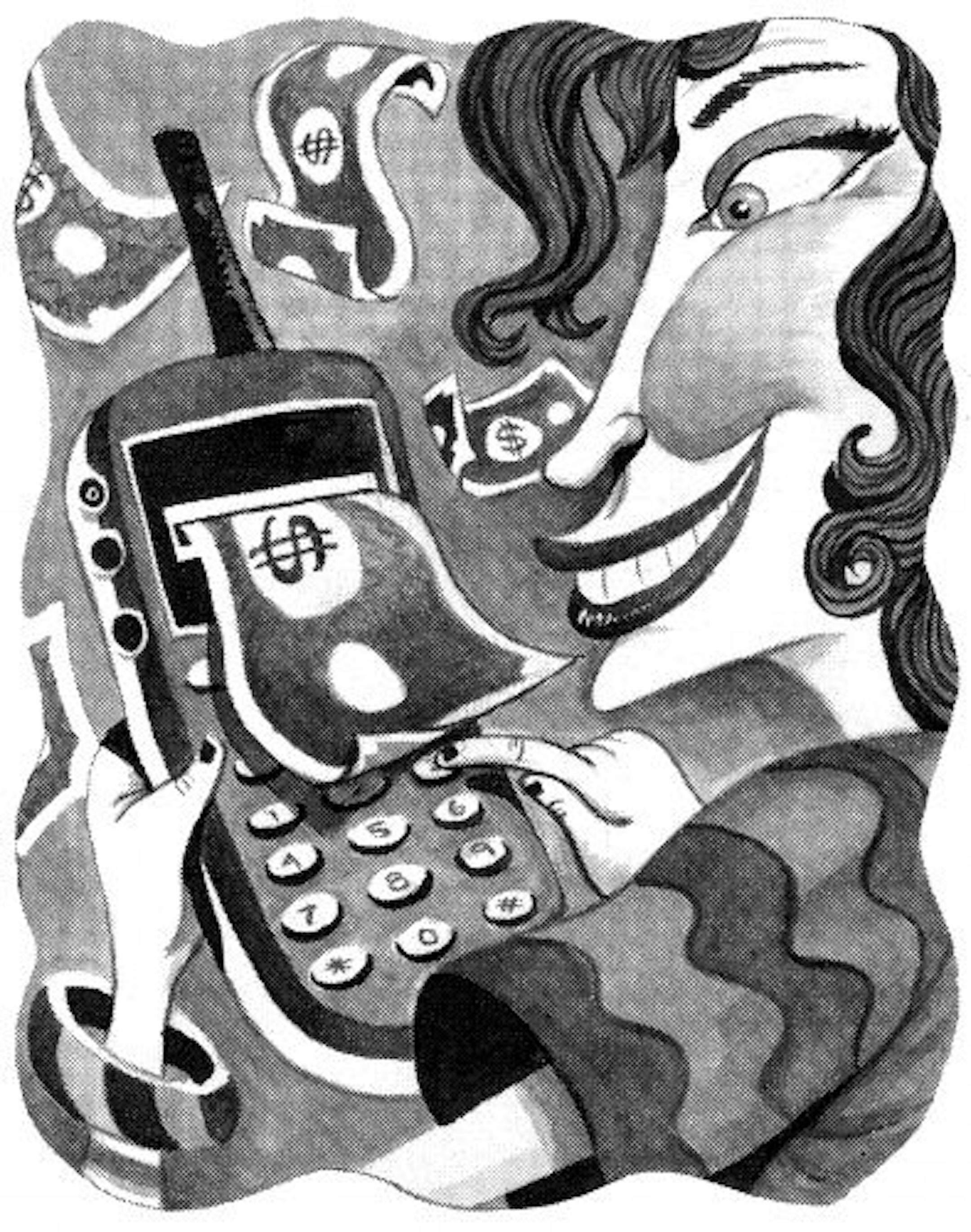
People across the country use their smart phones to check baseball scores, get directions, buy digital music, play online backgammon and more -- including, at least once in awhile, talking.
Few people in the United States, however, have paid for a cup of coffee, or a couch, with their phones.
But that is changing.
Technology companies and corporations are toiling to turn the ubiquitous devices into wallets, giving consumers the choice of wielding their phones -- instead of their credit cards, checkbooks or cash -- to make purchases.
"My guess is in three to five years you don't carry cash; you only carry a phone," said David Corsun, director of the University of Denver's School of Hotel, Restaurant and Tourism Management.
At Denver University this fall, students for the first time will be able to use their phones at the university's coffee shop, Beans, a development he called "the first wave of that movement."
Most experts don't think the wallet is poised to vanish tomorrow. The country's complex network of banks -- everyone has a different one -- complicates pay-by-phone commerce, even though the technology for it exists. But in countries with a more streamlined banking infrastructure, such as South Korea, the practice already thrives.
In the United States, one dramatic technology application isn't likely to overhaul how we pay for goods. Instead, the transformation of the phone into a digital wallet will happen in dribs and drabs.


