

WASHINGTON – The digital billboard displayed at the Pentagon Centre shopping mall just outside the nation's capital carries a simple message: Rumors don't equal facts.
The billboard, along with others like it and ads on Facebook, Twitter and the online publication Politico, are all part of a new push by the financial industry's main trade group to stop a government website from posting stories of people aggrieved by the nation's banks, mortgage lenders and credit card companies.
In July, the U.S. Consumer Finance Protection Bureau (CFPB) announced plans to post such stories on its website. It already lists general descriptions of hundreds of thousands of complaints against financial institutions for such things as hidden fees, late charges and misbegotten debt collection.
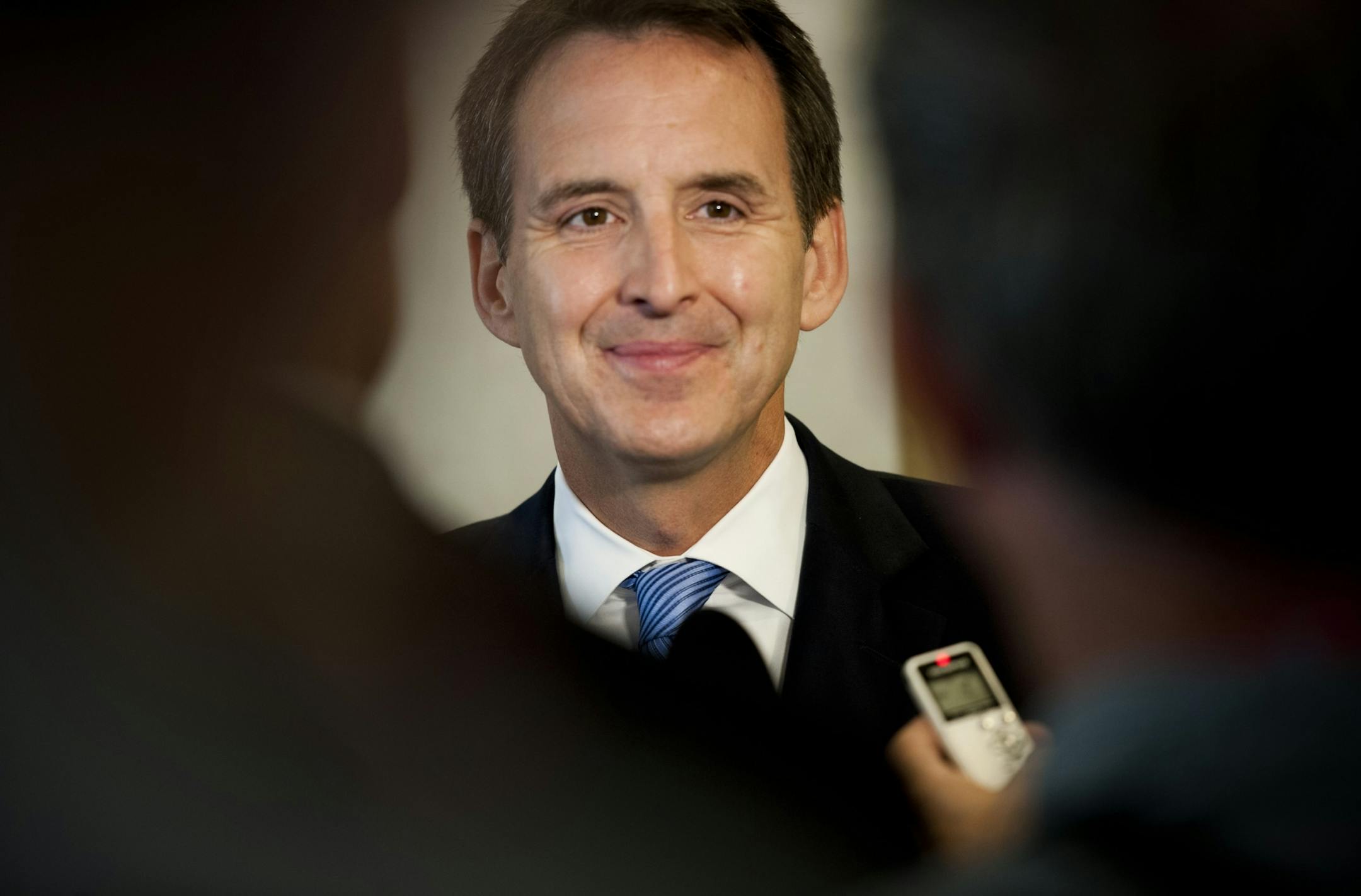
As a Sept. 22 deadline approaches for public comments on more detailed disclosures, the financial industry has pushed back through its Financial Services Roundtable trade group, which includes two prominent Minnesota-based companies and is led by the state's former governor, Tim Pawlenty.
"The CFPB's plan will feature only one side of the story, and such one-sided accounts will not advance the CFPB's mission of better informing and helping consumers," roundtable CEO Pawlenty said in a news release last week.
In blasting what it calls "rumors," the financial industry ratchets up the political fight over how to regulate the industry and its conduct that contributed to the Great Recession. The industry is confronting a unique use of social media by a government agency, said Don Kettl, dean of the University of Maryland's public policy school.
Kettl called CFPB's tactic a "strategy of outrage" designed to change the behavior of businesses, some of which are now paying the federal government billions of dollars in fines over their lending practices. The CFPB, created by Wall Street reform laws passed in 2010, "is on the bleeding edge of challenging industry in ways that industry doesn't know how to respond," Kettl said.
A financial industry public relations campaign that calls attention to the very complaints the industry does not want to emphasize "cries out for a Jon Stewart treatment," Kettl said, referring to the popular TV news satirist.


