

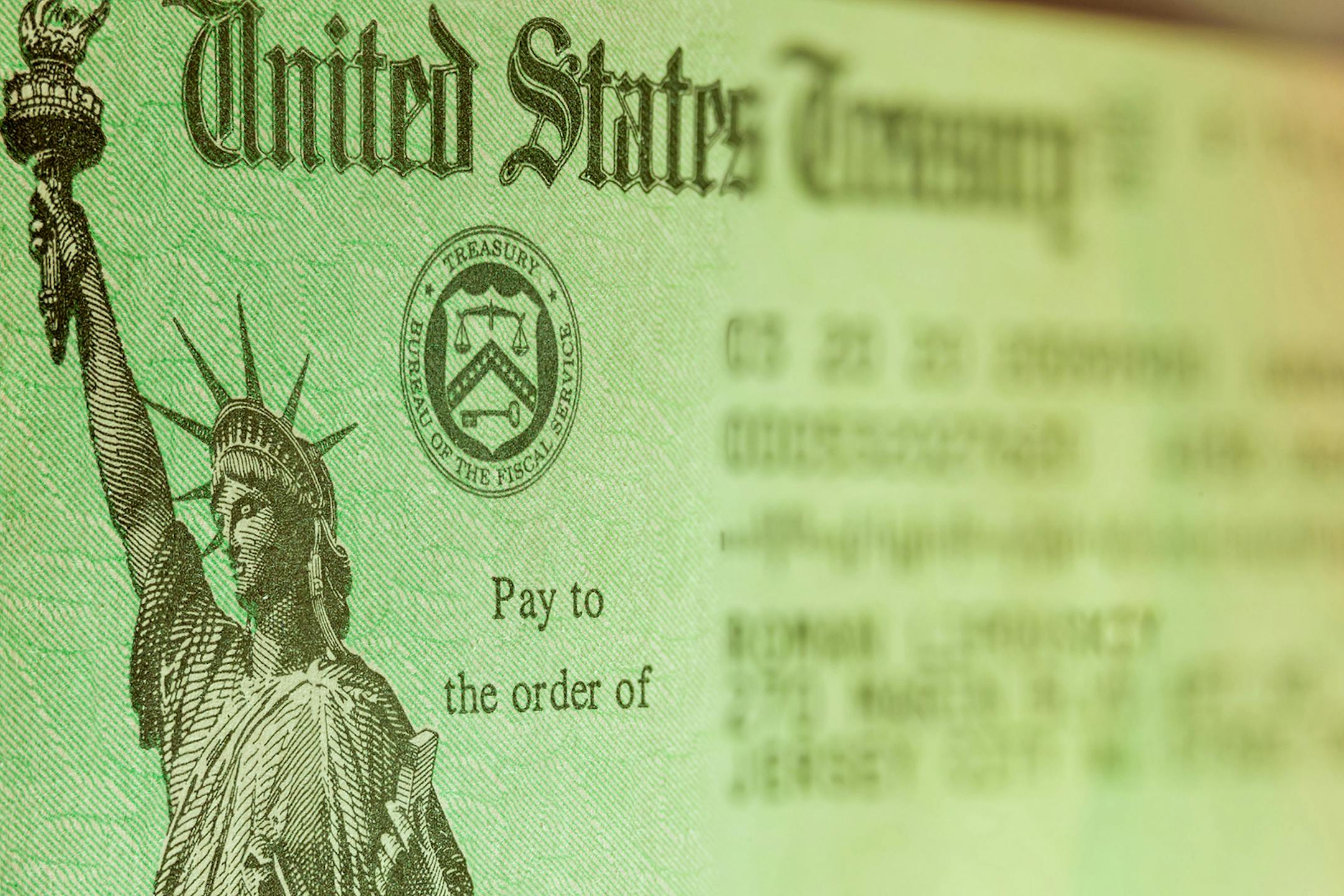
The coronavirus pandemic was unprecedented in how quickly and deeply it damaged the U.S. economy, as well as in how significantly the federal government responded.
The $5 trillion in COVID-19 relief spending lawmakers have passed in the last year has far eclipsed how much they doled out during the Great Recession and in previous downturns.
So how effective has all this aid been so far?
Economists from the Federal Reserve Bank of Minneapolis tackled that question by examining the research and data available from the first round of relief funding that went out last year. They focused on programs aimed at workers and households such as expanded unemployment insurance, direct payments, the Paycheck Protection Program and the eviction moratorium.
In a working paper they recently presented at a Brookings Institution conference, Krista Ruffini and Abigail Wozniak concluded that while not perfect — and they offered many ideas for improvement — the aid largely worked in terms of reaching the intended recipients.
"Across these programs, they were all really successful for the most part in getting large amounts of money out the door really quickly," said Ruffini, a visiting scholar at the Minneapolis Fed.
One of the reasons why it was so effective, she added, is that the government was able to use existing infrastructure, such as funneling stimulus payments through the Internal Revenue Service, which already has contact and income information for many Americans.
However, they also identified several shortcomings, including the fact that the broad-based relief likely missed some marginalized populations, such as people with incomes below the amount required to file federal income taxes. While the IRS tried to identify those people, the researchers suggest that using Medicaid enrollment information could be a way to find those people who might otherwise fall through the cracks.


