Lisa Robison, a 49-year-old Duluth mother of a grown son, has suffered complex partial seizures since she was 6 years old. Over the years, she has tried many medications and was part of numerous studies. Yet, the seizures would not be controlled.
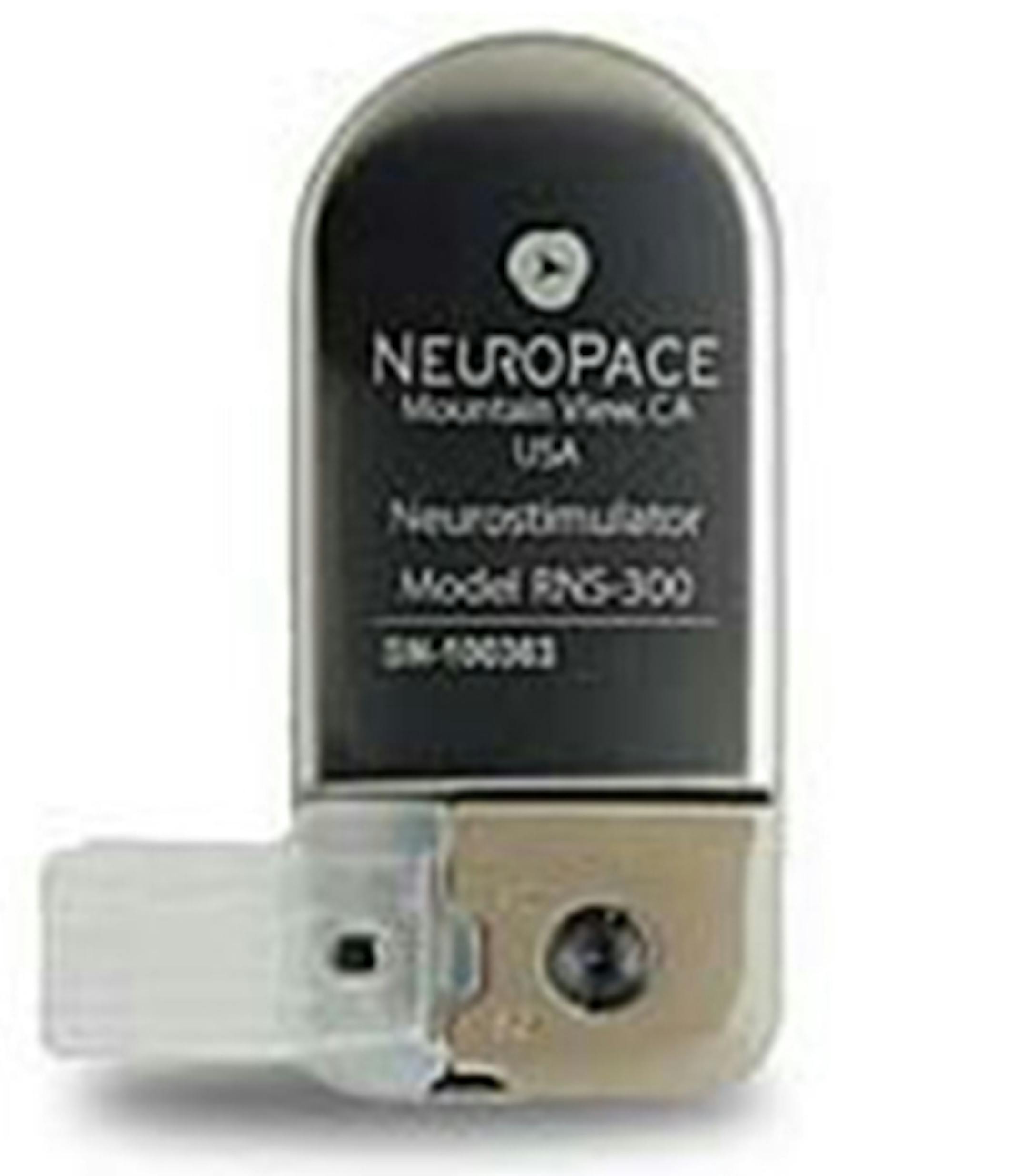
Desperate for help, she jumped at a chance seven years ago to participate in medical trials for the NeuroPace RNS System, a tiny, pacemaker-like device designed to reduce epileptic seizures and lessen their severity.
"I thought I would try it," Robison said.
"It has helped me," she said. "I don't fall as often. Or get injured. My seizures are shorter, and I recover faster."
The device has helped Robison and more than 200 other patients across the United States, and now others who suffer from focal epilepsy — epilepsy that originates in one or more specific areas of the brain — may be candidates for the NeuroPace device. Two years after implant, nearly 60 percent of patients had their seizures cut by more than half.
NeuroPace said an estimated 400,000 patients in the United States could benefit from the technology.
"All the evidence we have indicates that there is a substantial improvement in the patients' quality of life," said Frank Fischer, NeuroPace CEO.
Mayo Clinic facilities in Arizona, Florida and Minnesota all were involved in the clinical trials for the device and, as a group, enrolled the highest number of patients in those trials. The U.S. Food and Drug Administration in November approved the system for commercial availability in the United States. NeuroPace, a private California company that has worked on the technology for 16 years and raised more than $216 million in venture capital, is now working with hospitals and insurance companies to ramp up the device's availability.