

Opinion editor's note: Star Tribune Opinion publishes a mix of national and local commentaries online and in print each day. To contribute, click here.
•••
Many news stories stress that our ecosystems are under assault by Burmese pythons and Asian carp. This leads people to conclude that it is the less charismatic fauna such as reptiles and fish that are the most threatening of invasive species.
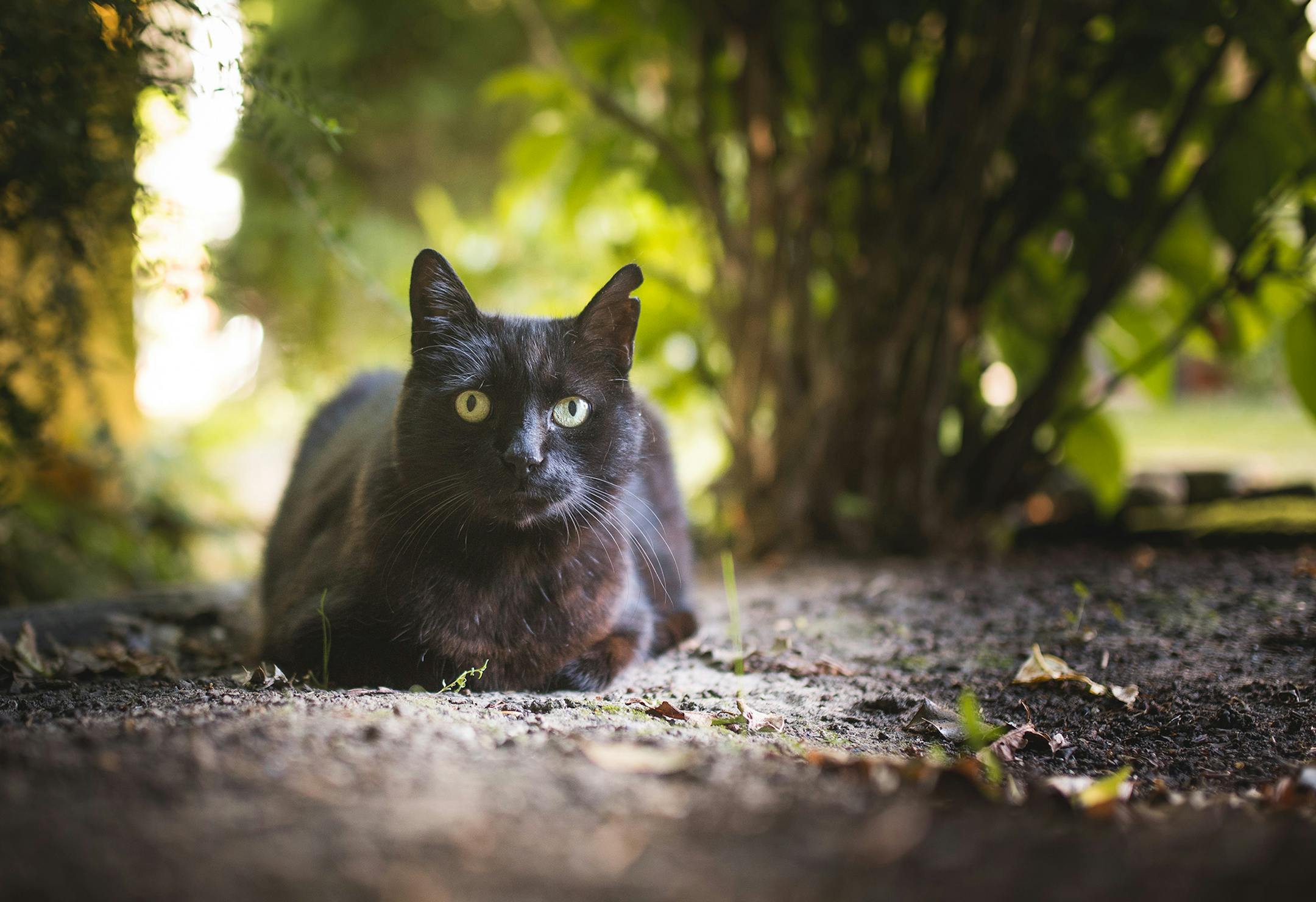
Proposed amendments to the Lacey Act that the U.S. House passed Feb. 4 seem to perpetuate this narrative, with a proposed ban on all exotic animal species moving across state lines. But one animal that the International Union for Conservation of Nature considers among the world's worst invasive species is also one of America's most popular pets: Felis catus, the domestic cat.
For the record, I love cats. My rescued girl, Drama Queen, is one of the greatest joys in my life. However, I am firmly of the opinion that she belongs indoors for her own safety, the safety of other animals and the overall well-being of my suburban environment.
I don't intend to shame those who may give their cats outdoor access. I merely wish to present the case that cats are a highly significant invasive species that poses a threat arguably greater than that posed by any other pet animal, including reptiles and amphibians.
Two of the most obvious and significant impacts invasive species may have on an ecosystem include increased disease transmission and predation on native species. Outdoor cats can have these impacts. In 2014, cats made up 61% of rabies cases among domestic animals. Cats are also responsible for the transmission of toxoplasmosis, a fecal parasite that can result in illness and death among wildlife as well as potentially producing birth defects, behavioral disorders or other consequences for people with compromised immunity. Most of these diseases are transmitted by outdoor cats, particularly unvaccinated ones, not by the cats that are kept and cared for safely in a secure environment.
Cats are born hunters. Even a well-fed cat will still hunt if given the opportunity. Annually, feral cats kill up to nearly 4 billion birds and up to nearly 22 billion mammals, according to researchers. This affects not only victims of predation such as grackles and sparrows, among many other birds, but also even endangered species such as the Florida panther, which face increased competition and disease exposure.


