
Review: Oprah’s Book Club pick ‘Culpability’ taps into our AI anxiety

Bruce Holsinger’s novel looks at who, or what, was responsible for a deadly car crash involving an autonomous vehicle.

The Washington Post
September 5, 2025 at 2:45PM
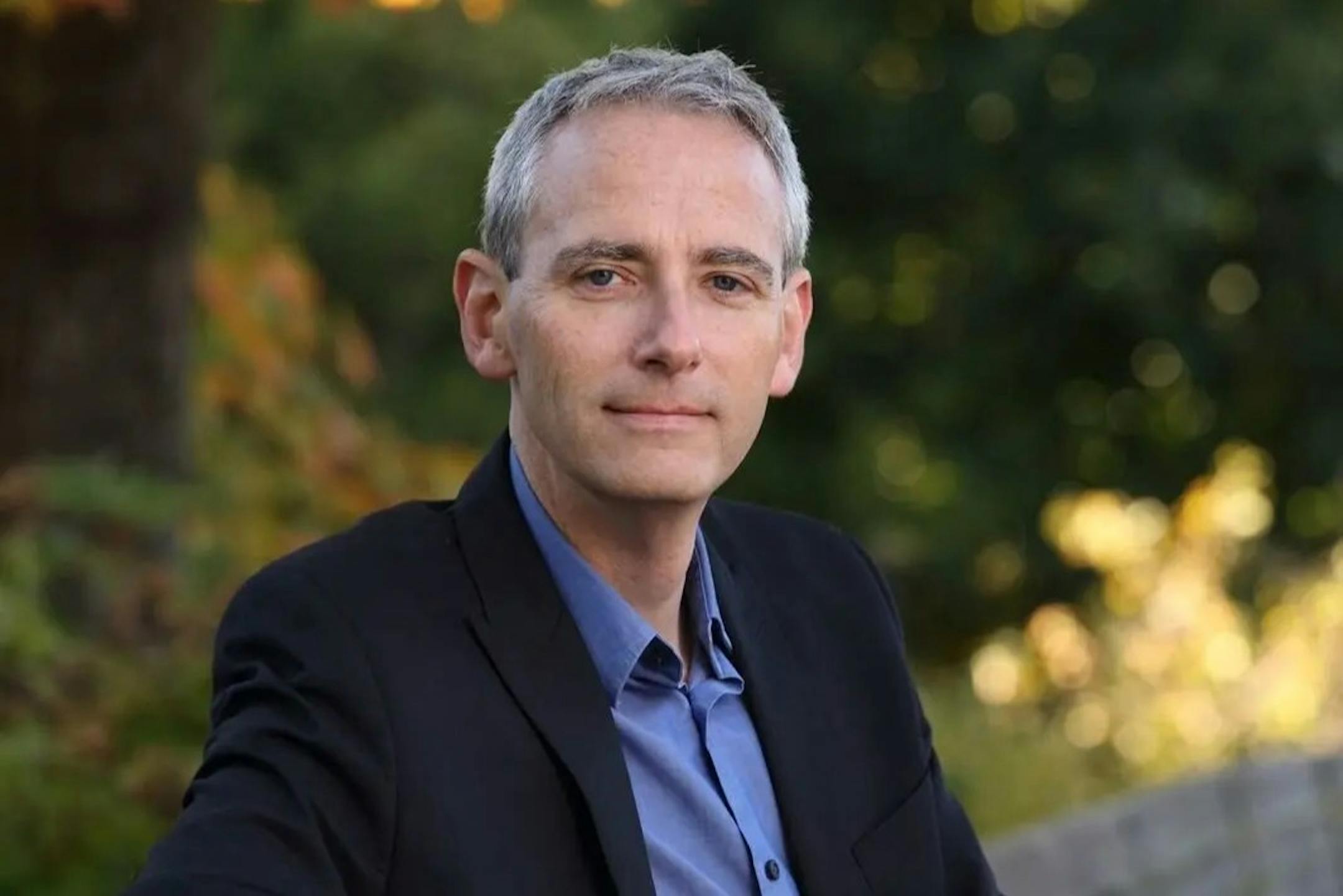
Bruce Holsinger. (Tom Cogill)

Artificial intelligence is accelerating faster than a Tesla toward an oak tree. Every day brings a fresh story — possibly written by AI — about the wonders of a world remastered by autonomous billionaires and their silicon golems. Perplexity, indeed.

Bruce Holsinger’s novel “Culpability,” about a deadly crash involving a self-driving vehicle, was originally slated for October, but Oprah named it her July book club pick, so you can already find it parked in your local bookstore. Whatever the reason, that was a fortuitous rescheduling. When it comes to writing about artificial intelligence, three months is the distance between rubbing sticks together and splitting an atom.

But for all its eerie timeliness, “Culpability” should age better than yesterday’s Instagram post. Holsinger, a medievalist at the University of Virginia, has a sharp eye for the eternal values and foibles that animate human affairs. He’s written mysteries set in the 14th century and domestic dramas set in the 21st. The plot of his latest book may feel copy-pasted from the risk factors outlined in some hot IPO, but it’s a searching examination of family dynamics and the burdens that no machine will ever lift for us.

The story begins with a terrifyingly plausible disaster: A family of five is speeding along to a lacrosse tournament in their new SensTrek minivan. Seventeen-year-old Charlie is at the wheel, but his father, Noah, the narrator, notes that his son is not really driving; he’s monitoring their progress.

“The car seems to know what it’s doing,” Noah says, “and a certain freedom comes with relinquishing control, trusting our lives and limbs to the alien hidden somewhere behind the dashboard. Like an old player piano, its invisible mechanism worked by a ghost.”

The difference, of course, is that nobody has ever been killed by an errant player piano.

Soon after the family passes into Delaware, one of the daughters in the back seat screams, “STOP!” Charlie grabs the wheel. An alarm blares. The minivan flips twice and comes to rest. The family survives with injuries, but two elderly people in a Honda Accord are instantly killed by the impact.

Did AI save Noah’s family?
Did Charlie’s intervention kill the passengers in the other car?

And what arcane equations computed who lived and died in that crucial moment?

During the stunned hours that follow, Noah says, “I have no doubt the other driver was in the wrong. Charlie did what he had to do, jerking the wheel in a split-second reaction. The oncoming car was veering toward the center line. … The question of fault is the least of my concerns.”

That appraisal is so confident and tenuously attached to the facts that it could have been made by ChatGPT. Which is the point.

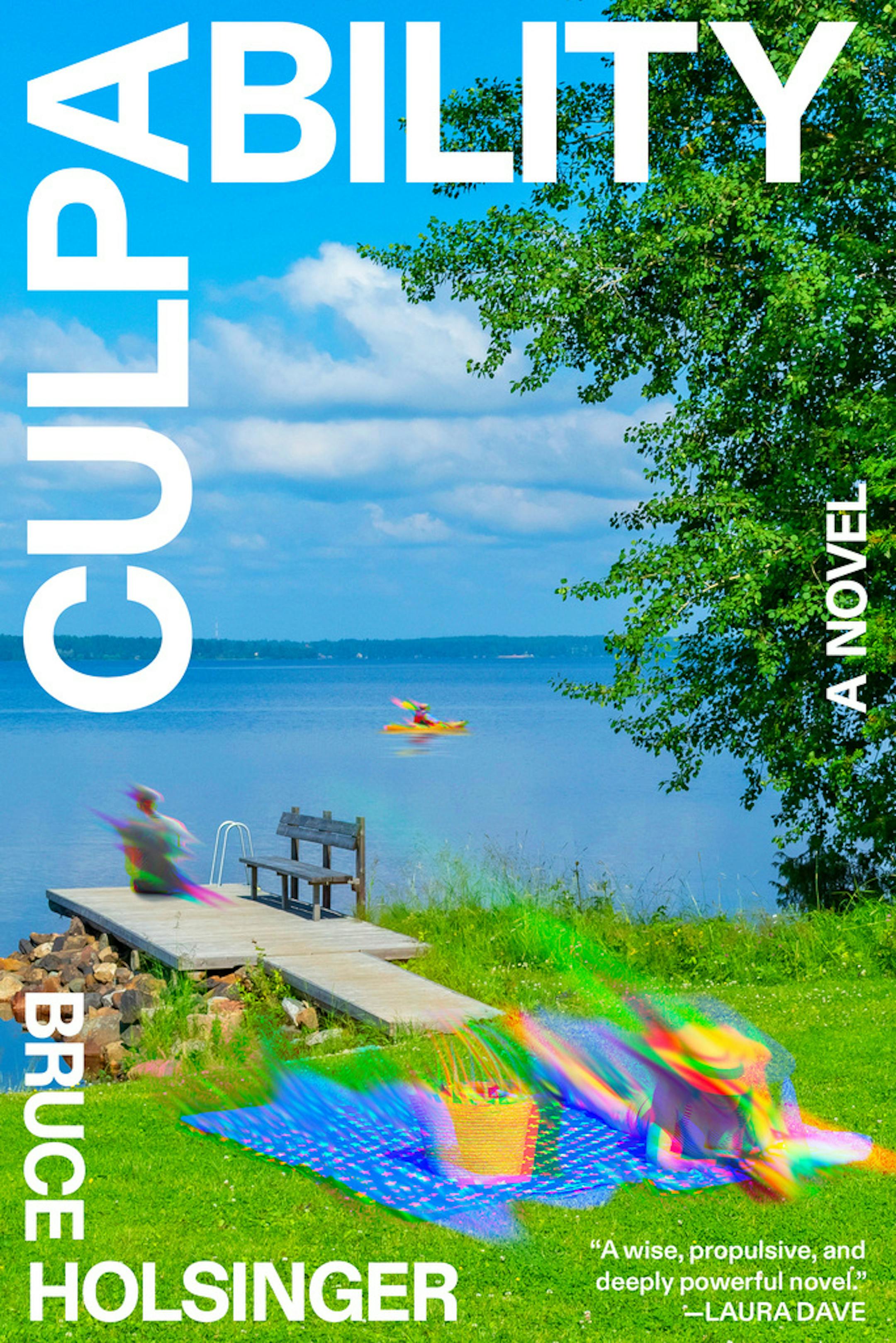
(Spiegel & Grau)

There’s no use beating around the algorithms here. Holsinger’s book wears its theme on its title page. For all the story’s contemporary details, “Culpability” is a 19th-century novel in the spirit of William Dean Howells — explicitly concerned with morality. That’s not to say it’s didactic, only that it presents deep ethical questions about fault and responsibility.

It’s also an irresistibly anxious book, the kind that scratches all your worries about the fragility of upper-middle-class life, the financial and legal perils that lurk behind every open-ended risk we take.

Noah is a terrifically engaging narrator, even when he’s a touch irritating, because he’s so damn relatable, with his whiny insecurities, his petty jealousies and his tendency to catastrophize. If the narration sometimes slips into melodrama and grandiosity, that’s faithful to his character. He’s spent years idolizing and excusing his handsome son, who, for a lacrosse bro, doesn’t seem so bad — just spoiled and entitled. But now, with a crash investigation underway, he must play dad, defendant and detective.

And maybe it’s all his fault. After all, Noah was the adult in the front seat. He was supervising Charlie at the wheel — or was he composing a memo for work on his laptop? That question of culpability plays on Noah’s long-simmering self-doubts. Although he’s a successful lawyer in the D.C. area, he’s always felt inadequate next to his brilliant wife, Lorelei, a MacArthur genius and a world-renowned AI ethicist. She assures him that Charlie is blameless; their vehicle’s autonomous system is the responsible party. But a police officer keeps drilling into exactly what happened. And in this situation, the car itself can effectively testify against the driver.

To provide a little respite from these troubles, the family heads off to an inlet near the Chesapeake Bay where they’ve vacationed before. But what should be a quiet week in the woods is immediately complicated by an extravagant new neighbor, an AI mogul named Daniel Monet, one of the richest men in the world. He’s like Elon Musk if Elon Musk were insightful and charming, which, I realize, is akin to saying a toaster is like an eagle if a toaster could fly, but you get the idea: He’s the kind of guy who can make any mere mortal feel inferior.

Noah hopes he can protect his son from the law and the machinations of smart machines, but soon everything seems at risk in this brave new world. One of his daughters is caught up in a strange relationship with a therapeutic chatbot. And his wife seems to be slipping toward Daniel Monet’s glittery allure.

Throughout all this family drama, Holsinger ventures deep into the issue of “distributed culpability,” the complicated moral calculus that tries to account for the actions of the machines we program. As robots take over more and more of our lives — and deaths — the temptation to imagine that our silicon servants, not us, are responsible will grow more intense. If you want an engaging novel sure to spark great discussion about that thorny future, this is it.

Which makes me realize that Henry Adams was wrong. In 1900, the thoughtful history professor stood in front of an awesome new generator at the Great Exposition in Paris and mused: “At the rate of progress since 1800, every American who lived into the year 2000 would know how to control unlimited power. He would think in complexities unimaginable to an earlier mind.”

Alas, we’re still thinking with our same old 19th-century brains. It’s just that now, those brains are being whizzed along at high speeds by artificial intelligence most of us understand no better than a poodle understands an iPhone. And the calls are coming from inside the house.

Culpability

By: Bruce Holsinger.

Publisher: Spiegel & Grau. 340 pp. $30

about the writer

about the writer

Ron Charles

The Washington Post

More from Books

See More
photo of author Tilar Mazzeo
card image