

Opinion editor's note: Star Tribune Opinion publishes a mix of national and local commentaries online and in print each day. To contribute, click here.
•••
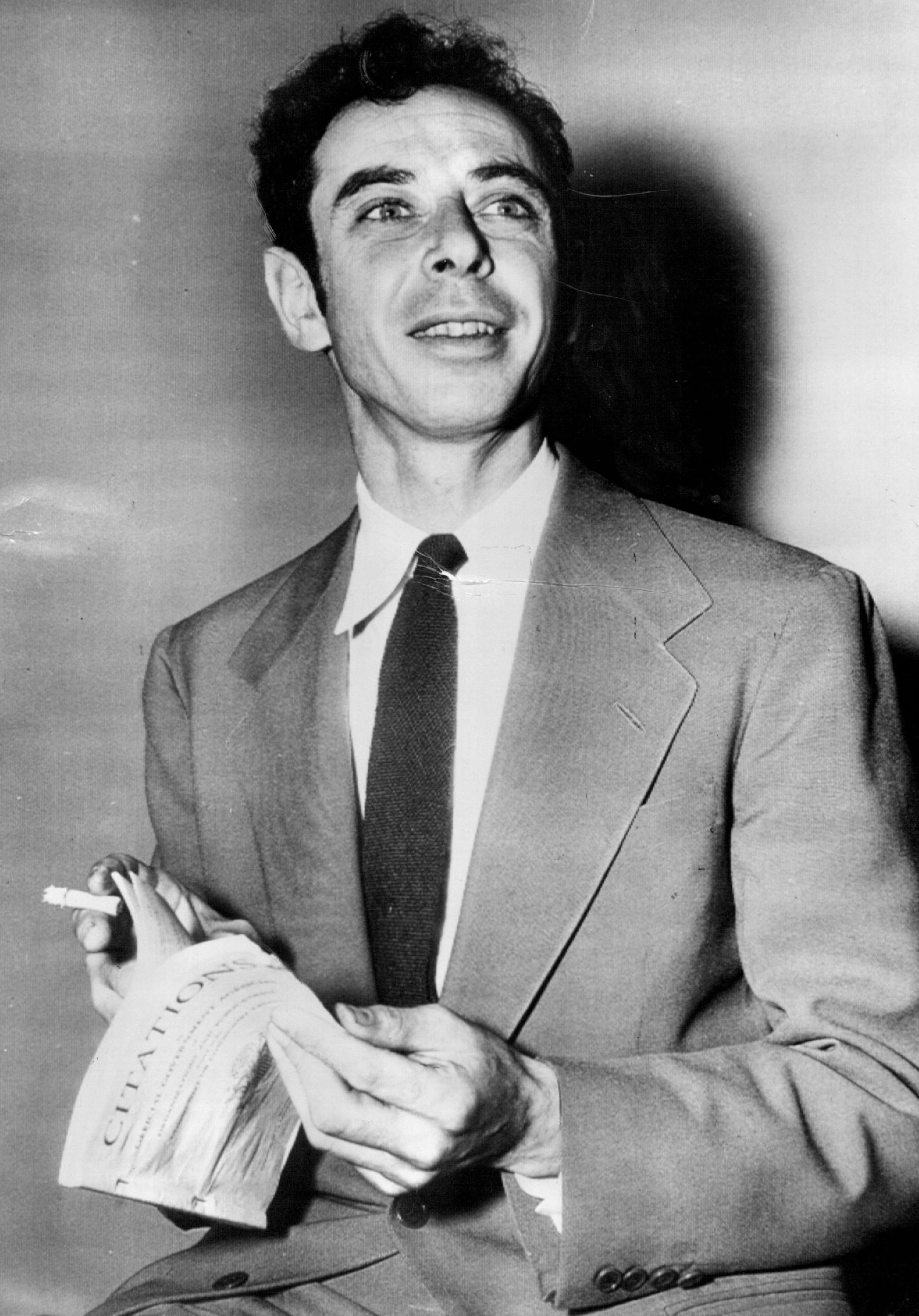
While Universal Pictures' ambitious new biopic, "Oppenheimer," deals with the life and times of its title character, another member of the Oppenheimer family, J. Robert's younger brother Frank, was caught up in his own political drama that played out on the University of Minnesota campus and provided ammunition to J. Robert's critics.
In 1947, Frank Oppenheimer, an acclaimed physicist in his own right, joined the U faculty as a member of the school's physics department. University President James Morrill welcomed the younger Oppenheimer to campus, declaring that he was destined to become "one of America's outstanding nuclear physicists."
Then, four months later, Morrill and the rest of the university community were shocked by a dramatic front-page story in the conservative Washington Times Herald alleging that the newly hired faculty member had joined the Communist Party in 1937 under the alias Frank Folsom.
These allegations were particularly unsettling because Oppenheimer had been involved in highly sensitive work related to the development of the atomic bomb in nuclear laboratories at Oak Ridge, Tenn., and at Los Alamos, N.M., where he worked with his brother, J. Robert, on the Manhattan project.
Now, having just arrived in Minnesota, the young physicist, then 35 years old, responded to the charges almost immediately. "I am at a loss to account for such a trumped-up story," Oppenheimer told the Minneapolis Times. "There is not a word of truth in that, except for my physics background and association with the Manhattan project."
Oppenheimer's colleagues in the university's physics department sprang to his defense. In a statement signed by nine department members, including the chair, J.W. Buchta, the group declared, "It is our belief that the charges made are unsubstantiated, and our confidence in the personal integrity of Dr. Oppenheimer is so great that we do not question his denial." University President Morrill issued his own somewhat more guarded statement of support, noting that Oppenheimer had received security clearance from the federal government to work on the atomic bomb project.


