
Opinion | Your pandemic pup doesn’t want you to go back to the office, either

As you return to the office, help your middle-aged dog navigate the change, too.

September 28, 2025 at 8:59PM
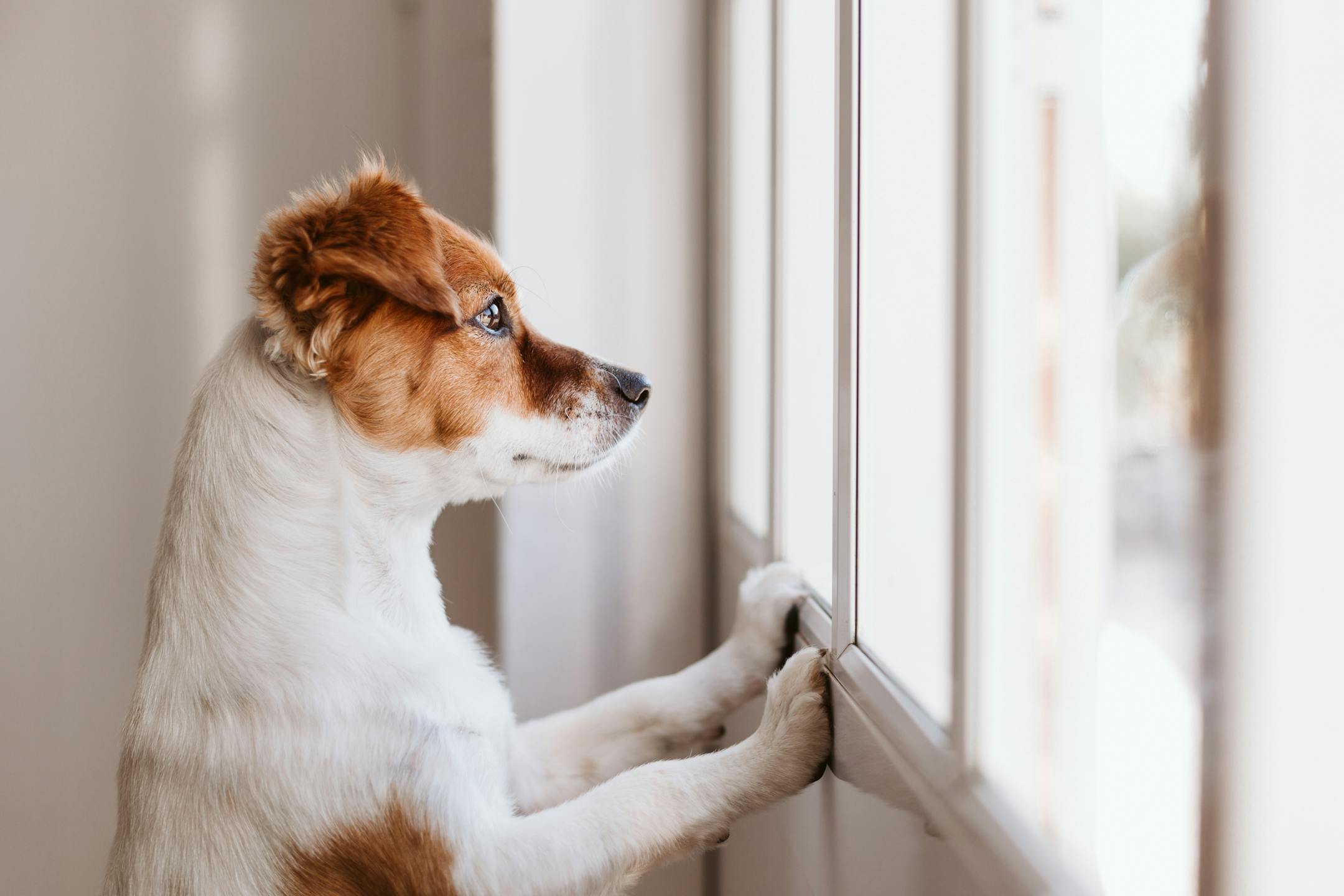
"While no dog loves it when their owner leaves for 10 hours at a time, it’s distinctly hard for pandemic puppies. The American Kennel Club and American Veterinary Medical Association agree; both organizations have urged pandemic puppy owners to gradually train their dogs for alone time before returning to the office," Katherine Frankowski writes. (iStock)

Opinion editor’s note: Strib Voices publishes a mix of guest commentaries online and in print each day. To contribute, click here.

•••

This year, the return-to-office policies of some of Minnesota’s largest employers have driven thousands of white-collar Minnesotans back to the office for the first time since the spring of 2020. After five years of working almost exclusively from home, many of these workers aren’t thrilled about going back. Neither are their dogs — especially the pandemic puppies.

An ill-fated slice of the overall dog population, pandemic puppies are uniquely positioned to struggle when their owners return to the office. Born or adopted in the early months of the pandemic, many of these dogs spent their most formative months trapped indoors with a few baffled humans. Not exactly the ideal conditions for the development of an independent, well-adjusted pup.

Now fully grown and in middle age, pandemic pups are prone to specific behavioral issues related to their unusual upbringings. Because they didn’t get out much when they were young, many are fearful of new things. And, because they grew up with their owners almost always around (read: working from home), many pandemic puppies never learned how to be alone.

So while no dog loves it when their owner leaves for 10 hours at a time, it’s distinctly hard for pandemic puppies. The American Kennel Club and American Veterinary Medical Association agree; both organizations have urged pandemic puppy owners to gradually train their dogs for alone time before returning to the office.

But for many dog owners, gradual dog training programs don’t mix well with return-to-office orders. After all, most workers only had several weeks to prepare for the change. In many households, more pressing issues like child care and transportation pushed doggie needs right out the window.

So what can pandemic puppy owners do if they’re already back in the office? Watch for signs of distress in your dog. If they are barking excessively when you go, or if they are chewing the baseboards while you’re gone, of if they are having accidents inside, they are probably telling you that they are not currently capable of handling the situation.

This is where your pandemic pup really needs your help — and creativity. Maybe your dog needs a midday bathroom break, and that college kid down the street who your dog actually likes can help. Maybe your dog will be more comfortable (and wreak less havoc) behind a baby gate or in a certain bedroom. Maybe your dog needs five minutes of serious play before you go. Maybe your dog needs to run off-leash in a field for an hour after you get home in order to feel OK with you leaving the next time. You simply have to experiment.

This experimentation process is challenging but essential, says Annette Scribner, a longtime trainer and co-owner of The Canine Coach, a multi-location, Twin Cities-based dog training facility. “You have to try different things and figure out a routine that gets your dog what they need,” she says. “That’s the hardest part. That and sticking to your routine — even when you come home tired.”

If your return to the office has left you exhausted, consider outside help. Scribner encourages pandemic puppy owners to look for professionals who understand anxious, middle-aged dogs and can exercise them in age-appropriate ways. “When we don’t have time to clean, we hire a maid,” Scribner says. “No time to mow? We pay someone to do it. We get meals delivered. We embrace convenience in all kinds of ways. We can do that to help our dogs too.”

Of course, some pandemic puppies will need more help than others. Every dog, just like every person, handles challenges and change differently. But ultimately, when you take the owner away from a fearful, mature and owner-obsessed dog, then you will likely have to replace that owner with something, and that something will be different for every dog. It’s on owners to identify and provide it.

To all the Minnesotans who are navigating change right now with pandemic puppies, don’t lose heart. Remember the unprecedented conditions that have shaped your dog. And remember that with the right support, any of us can thrive in new situations — even middle-aged pandemic puppies.

Katherine Frankowski is a writer and certified dog trainer. She lives in Arden Hills with her husband, three kids and two Aussies (one of whom is a pandemic puppy).

about the writer

about the writer

Katherine Frankowski

More from Commentaries

See More
card image
J. David Ake/The Associated Press

Though Homeland Security Adviser Stephen Miller has been pushing anti-immigration policies, his family’s journey to the U.S. echoes that of my grandparents.

card image