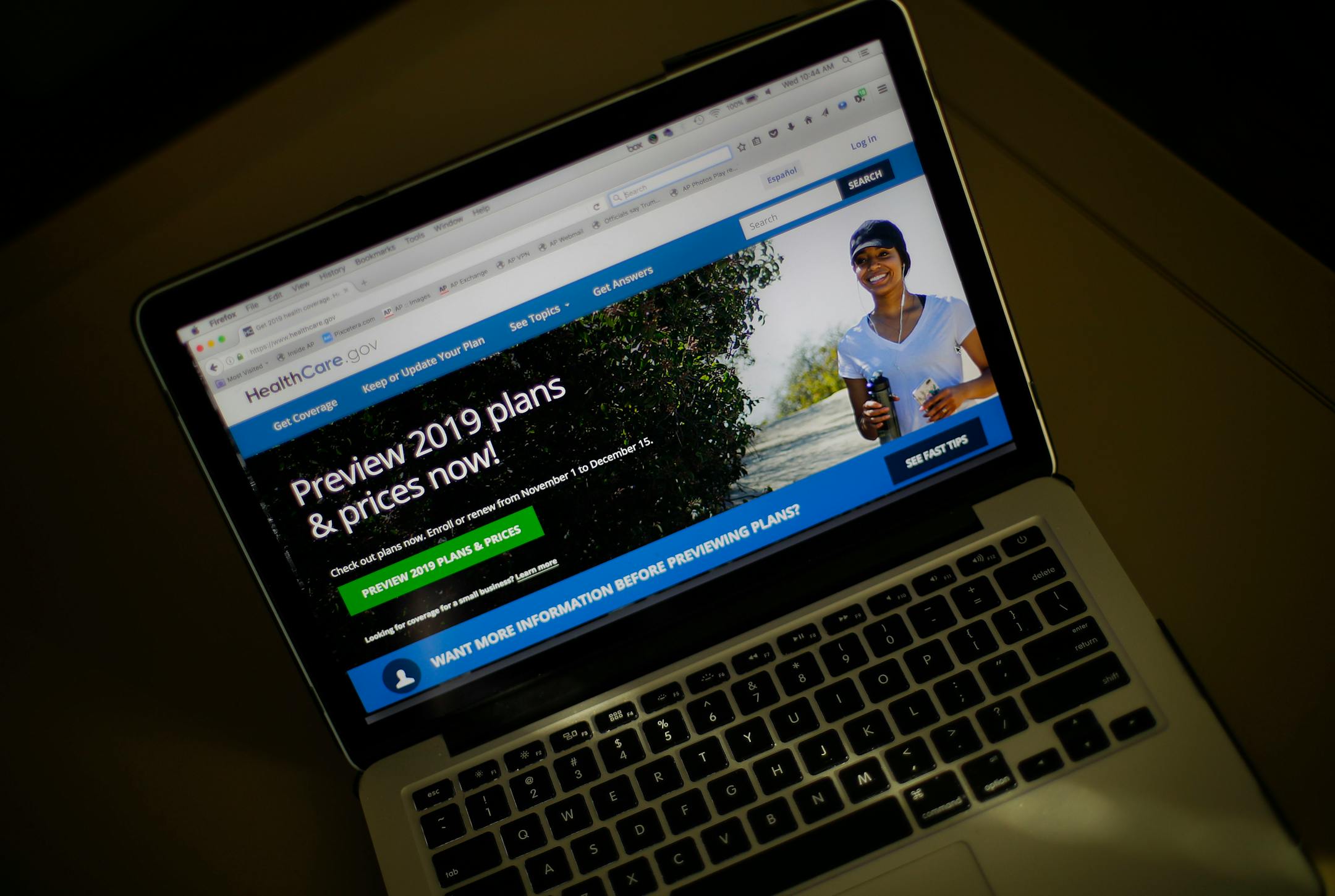
As I thought about it some more, I was struck by a question that I'd never thought about before: Why do Americans have to "remember" to get health insurance every year? We don't ask citizens to remember to enroll with the fire department every year, or to remember to sign up for electricity service or water. Yet with health insurance, we've set up an unwieldy mechanism where millions of people have to opt in every year or do without. (While some companies automatically re-enroll employees with their prior year's selections, this is by no means universal.)
During the COVID-19 pandemic, the federal government forbade states from removing anyone from Medicaid. This so-called continuous enrollment resulted in coverage for an additional 23 million Americans and brought the nation's uninsured rate down to a historic low of 8%. Once the public health emergency ended this year, however, states were free to resume culling the rolls, and more than 9 million people have been disenrolled to date. This has tragic human consequences, as medical treatments and preventive care are abruptly amputated.
The stated reason for this bureaucratic merry-go-round is that eligibility must be ascertained every year so as not to allot services to someone who doesn't qualify. But the process of determining eligibility is highly flawed. Only some of disenrolled Medicaid patients, for example, are truly ineligible; according to KFF, a health policy research organization, the majority of people (more than 90% in some states) were disenrolled for "procedural reasons," such as missed deadlines, paperwork issues or outdated contact information. Many of these people are actually eligible for insurance, but lose coverage because of the byzantine logistics. And even beyond the pandemic related "unwinding," some people on Medicaid face multiple disenrollments and re-enrollments if their income fluctuates, such as with seasonal work or gig jobs.
The net effect is that we require an enormous chunk of the U.S. population to continually re-enroll for health insurance. The inefficiency of this is staggering; we require tens of millions of people to prove eligibility over and over again to catch the few who might no longer be eligible. Beyond pure inefficiency, it's also inhumane, leading to worse medical outcomes, plus higher costs.
A simpler solution would be to flip the script. After an initial eligibility assessment, people would stay with the same insurance plan unless they opt out, request a change or are ineligible for genuine — not procedural — reasons. For employer-based health insurance, this would be relatively simple, as most ineligibility stems from no longer working at the company, something that employers surely know. For everyone else, health insurance would auto-renew each year the same way it already does for the plans on the Affordable Care Act exchanges. This would be far simpler than having every person redo the paperwork every single year.
For Medicaid, the income eligibility requirement adds a layer of complexity, but there are nevertheless ways to reduce the hoop jumping. For starters, every recipient should be granted a full year of continuous coverage after enrolling to eliminate the wasteful short-term upheavals. But the simpler and more humane option would be to keep the continuous coverage we adopted during the pandemic, and only disenroll people if IRS and other data sources demonstrate sustained higher income or insurance from another job. Random audits — as we do for taxes — can help ensure compliance.