

Opinion editor's note: Star Tribune Opinion publishes a mix of national and local commentaries online and in print each day. To contribute, click here.
•••
About 10 years ago, a story about Target Corp.'s uncanny ability to detect a customer's pregnancy made waves. An angry man had gone into a Target store near Minneapolis, demanding to speak to a manager and flashing coupons that his teenage daughter had received in the mail for baby clothes and cribs. "Are you trying to encourage her to get pregnant?" he asked.
It turned out his daughter was already pregnant, and Target had figured this out before he had.
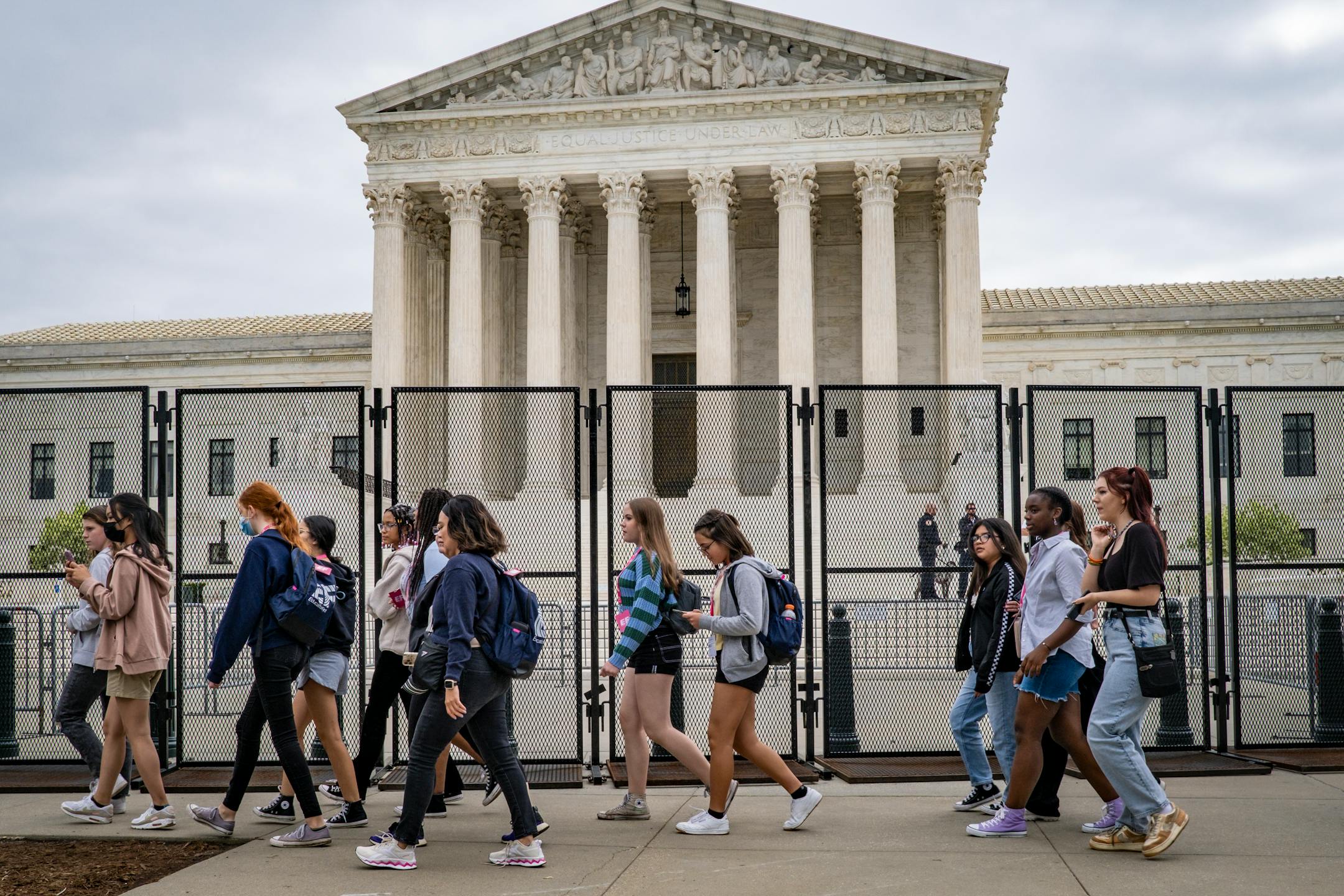
Data mining by companies has only improved since then, but fortunately so have our tools for protecting privacy. A leaked draft ruling reported by Politico suggests the U.S. Supreme Court is in favor of overturning Roe v. Wade, the landmark 1973 decision that gave women the right to abortion. This would make online privacy more critical than ever for women and health care providers, as secrecy around abortion would become integral not just for personal reasons but to avoid potential legal ramifications or blowback from vigilantes.
It's unclear who would be legally liable for an abortion in close to a dozen or more U.S. states that would like to ban it. But many women will want to hide their online activity out of caution. U.S. Sen. Ron Wyden, D-Ore., warned on Tuesday that "every digital record — from web searches, to phone records and app data — will be weaponized in Republican states as a way to control women's bodies."
One of the first things many women do when they find themselves needing an abortion is seek advice online. That won't change no matter what the Supreme Court rules. But if they happen to live in one of 22 states that would probably outlaw abortion in the absence of Roe v. Wade, they'd be wise to hide their browsing history and use encrypted messaging apps like WhatsApp and Signal to talk to others about their plans. Should abortion pills also be outlawed, women may turn to the Dark Web to procure them — something they already do, according to a study from the University of Texas.
Women may also turn to VPNs to stop mobile network providers and search engines from seeing their browsing habits. They'll clear their web histories, use incognito windows or download more privacy-focused browsers like Firefox.


