

Decades of research tell a clear and sobering story: Poverty is harmful to the developing brain.
The research demonstrates how experiencing the adversity of poverty in childhood places children at risk for later hardships. It also shows how modest investments to protect today's children from this adversity can lower the roadblocks and burdens they may face as tomorrow's adults.
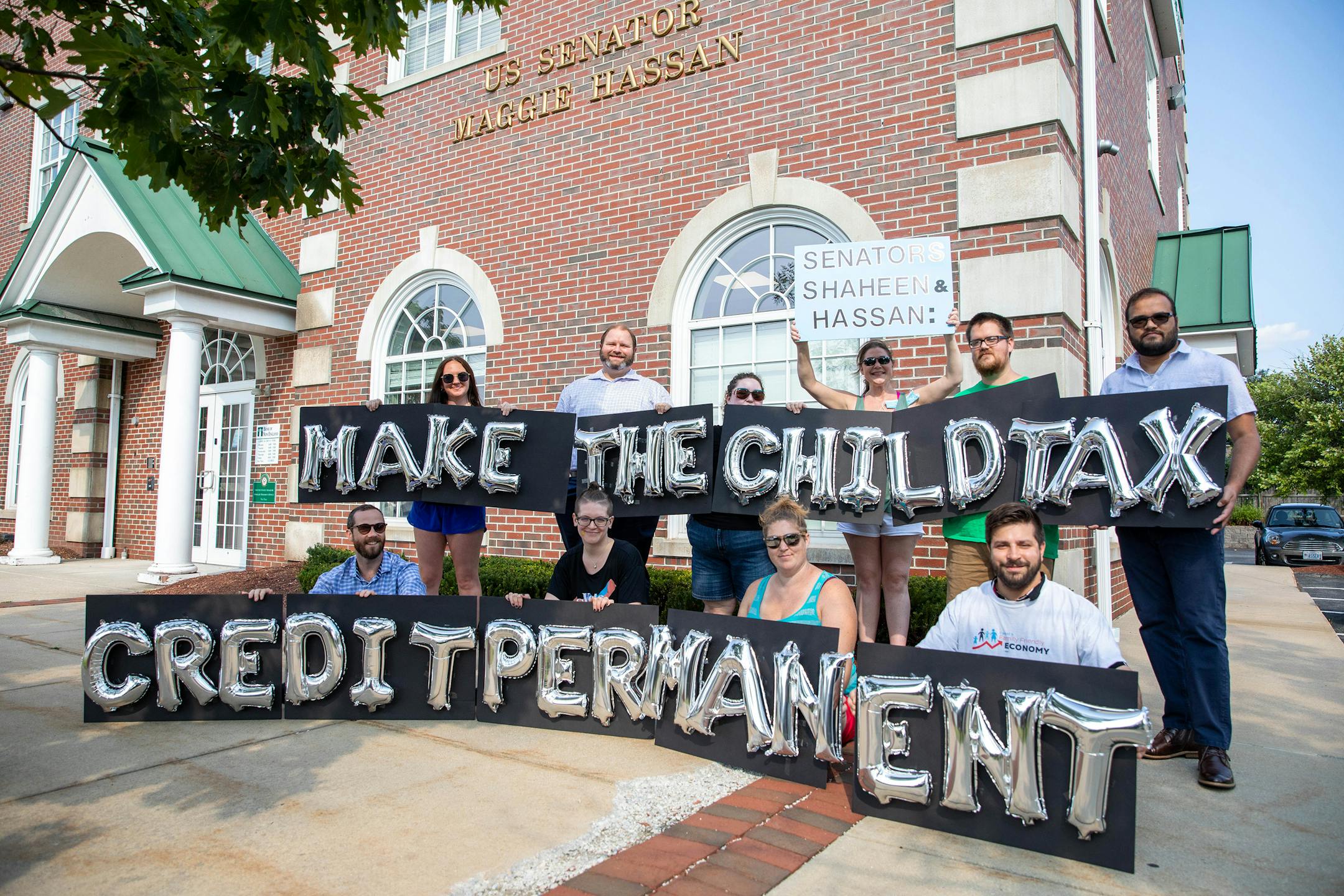
The federal government has been actively making such investments since July, when monthly payments of up to $300 per child were made through the expanded child tax credit authorized by the American Rescue Plan, a COVID relief package. These payments reached 27 million children from families with taxable earnings too low to benefit from the annual tax refund provided by the previous child tax credit. The result has been an unprecedented reduction in childhood poverty and hunger.
Yet the expanded child tax credit is poised to become another Beltway failure. The provision expired at the end 2021. If it is not renewed or replaced with something equally supportive of struggling families, an estimated 9.9 million American children will fall back or sink deeper into poverty.
President Joe Biden has proposed extending the policy for another year through his "Build Back Better" plan, but disagreement in Congress over the details of the extension threatens its future.
Studies in our lab and others' have shown that living in poverty affects brain development, restricting the natural growth of the hippocampus and amygdala, two structures deep within the brain that support learning and guide emotional responses.
Research suggests that these structural effects may be long-lasting. Using brain scans, scientists have shown that adults in their 60s who were under economic strain in childhood tended to have smaller hippocampal structures than their peers who did not face this childhood adversity, irrespective of their financial circumstances later in life.
The brains of children are particularly vulnerable to environmental exposures because they are rapidly growing and changing, and highly influenced by experience. That is why children must be protected from public health hazards such as lead in drinking water and neurotoxins in baby food that increase their risk for neurological and emotional problems. But neuroscience research shows us that poverty can be toxic to children as well.


