

WASHINGTON - As they recently passed out awards to pro-business members of Congress, including four from the Minnesota delegation, executives of the U.S. Chamber of Commerce also discussed an uncomfortable subject with each recipient: the need to increase the country's debt ceiling.
In a twist, one of America's most influential business lobbies -- and one of President Obama's most vocal opponents -- finds itself allied with the White House.
"The politics of this situation are so much different than the reality," warned Marty Regalia, the Chamber's chief economist. "Not raising the debt ceiling is not a possibility. We spend more than we take in. [Not raising the limit] would be tantamount to writing a bad check."
When that check bounces, it starts a chain reaction that hurts businesses across Minnesota and around the country, Regalia explained. "It's not just interest to debt holders," he said of the payments that won't be made. "It's bullets and Kevlar vests for soldiers. Interest rates rise. Debt holders divest. It's a domino effect."
Economic growth slows. Securities prices based on the value of Treasury bills fall. The dollar's purchasing power shrinks. Imports become more expensive. Oil prices rise. Individuals and institutions with U.S. government securities in their investment portfolios lose vast amounts of wealth.
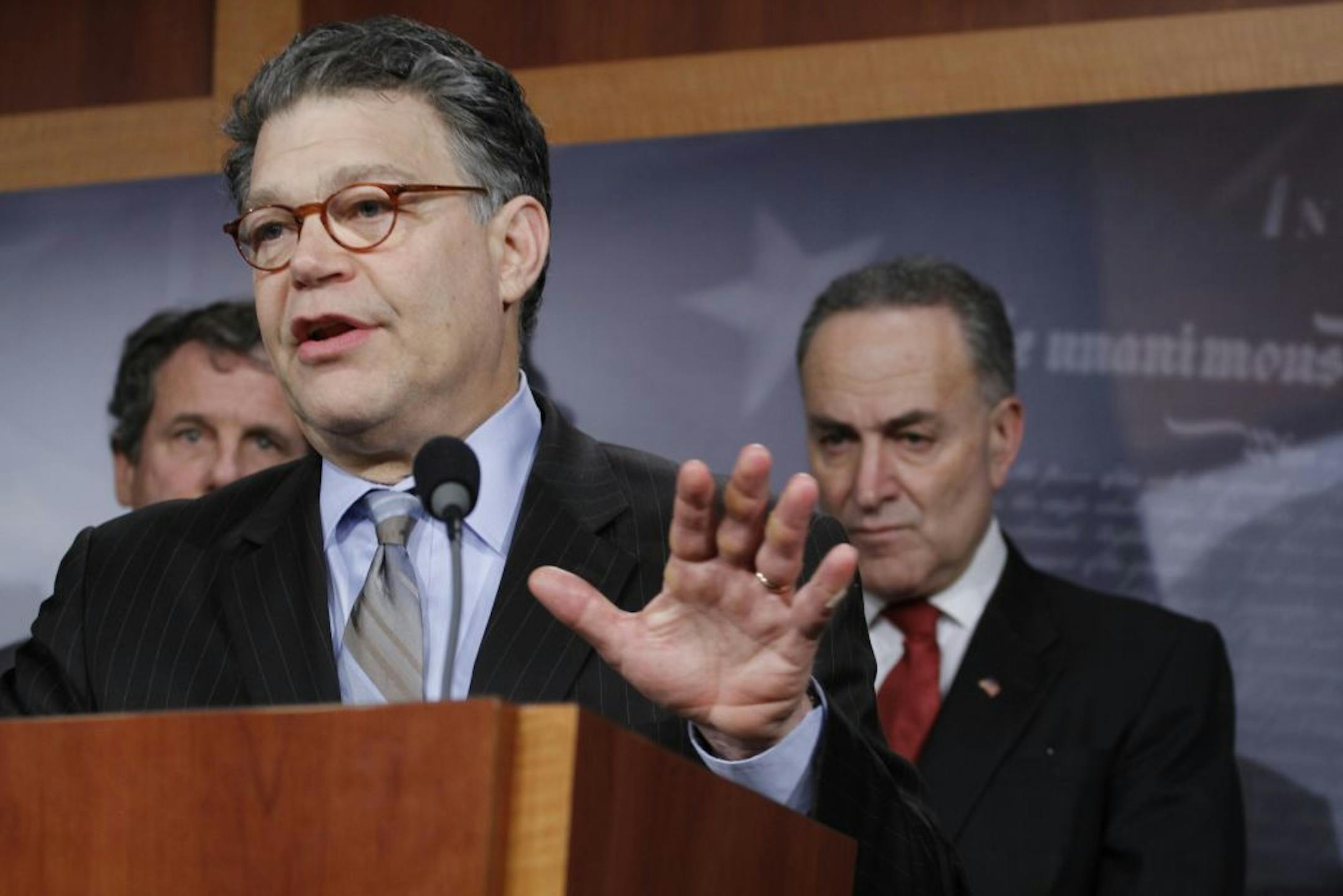
"That's what's at stake," said Sen. Al Franken, D-Minn., who favors raising the debt ceiling without preconditions but who says a bill must pass, even if it isn't all he wants. "Anyone who says we can just pay interest on the debt and cut other things [without default] is indulging in magical thinking."
Sen. Amy Klobuchar, like Franken a Minnesota Democrat, wants to attach future debt reduction legislation to the debt ceiling vote, but she acknowledges the need to pass an increase. "Obviously we don't want to play Russian roulette with our economy by taking a risk on this," she said.
Yet as Congress returns from a two-week recess and begins to debate the debt ceiling, many members of the House and Senate and a significant proportion of the public question whether the U.S. should again raise the debt ceiling, as it has done 10 times since 2001.



