

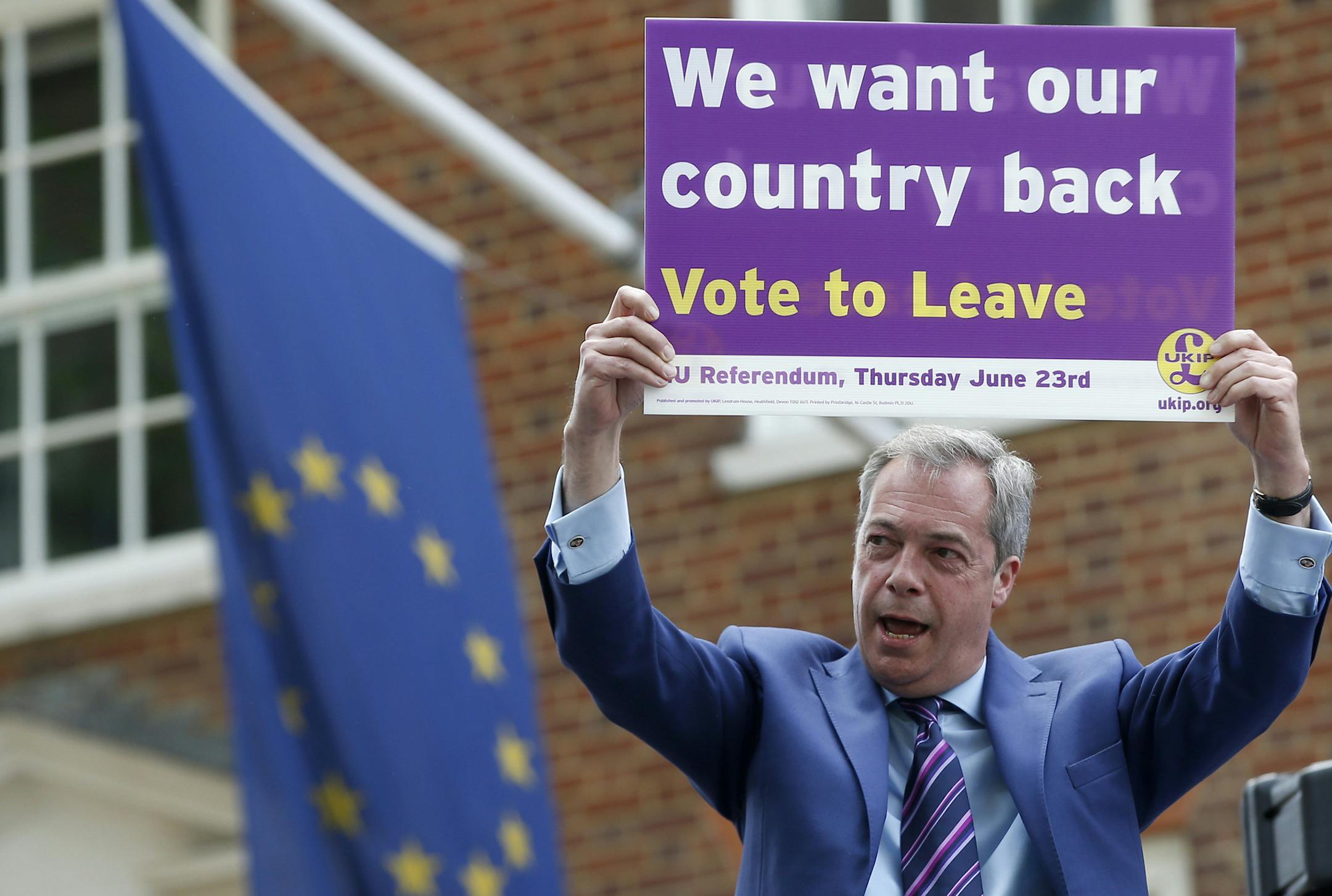
Editors note: The Star Tribune usually publishes feature stories from the Economist in this space. Because the Brexit vote is so important to the future of the United Kingdom, today we offer the Economist's "leader," or commentary, on Thursday's referendum.
The peevishness of the campaigning has obscured the importance of what is at stake. A vote to quit the European Union on Thursday, which polls say is a growing possibility, would do grave and lasting harm to the politics and economy of Britain.
The loss of one of the E.U.'s biggest members would gouge a deep wound in the rest of Europe. And, with the likes of Donald Trump and Marine Le Pen fueling economic nationalism and xenophobia, it would mark a defeat for the liberal order that has underpinned the West's prosperity.
That, clearly, is not the argument of the voices calling to leave. As with Eurosceptics across the E.U., their story is about liberation and history. Quitting the sclerotic, undemocratic E.U., Brexiteers say, would set Britain free to reclaim its sovereign destiny as an outward-looking power.
Many of these people claim the mantle of liberalism — the creed that the Economist has long championed. They sign up to the argument that free trade leads to prosperity. They make the right noises about small government and red tape. They say their rejection of unlimited E.U. migration stems not from xenophobia so much as a desire to pick people with the most to offer.
The liberal Leavers are peddling an illusion. On contact with the reality of Brexit, their plans will fall apart. If Britain leaves the E.U., it is likely to end up poorer, less open and less innovative. And without Britain, all of Europe would be worse off.
Start with the economy. Even those voting Leave accept that there will be short-term damage. More important, Britain is unlikely to thrive in the longer run, either. Almost half of its exports go to Europe. Access to the single market is vital for the City and to attract foreign direct investment. Yet to maintain that access, Britain will have to observe E.U. regulations, contribute to the budget and accept the free movement of people — the very things that Leave says it must avoid.
Those who advocate leaving make much of the chance to trade more easily with the rest of the world. That, too, is uncertain. Europe has dozens of trade pacts that Britain would need to replace. It would be a smaller, weaker negotiating partner. The timetable would not be under its control, and the slow, grinding history of trade liberalization shows that mercantilists tend to have the upper hand.


