

The oldest baby boomers — once the vanguard of an American youth that revolutionized U.S. culture and politics — turn 80 in 2026.
It’s the generation that twirled the first plastic hula hoops, dressed up the first Barbie dolls, embraced the TV age, blissed out at Woodstock and protested and fought in the Vietnam War. Now boomers are contributing to the overall aging of America, and those becoming octogenarians this year include actor Henry Winkler and baseball Hall of Famer Reggie Jackson, singers Cher and Dolly Parton and presidents Donald Trump, George W. Bush and Bill Clinton.
America’s population swelled with around 76 million births from 1946 to 1964, a spike magnified by couples reuniting after World War II and enjoying postwar prosperity.
Boomers were better educated and richer than previous generations, and they helped grow a consumer-driven economy. In their youth, they pushed for social change through the Civil Rights Movement, the women’s rights movement and efforts to end the Vietnam War.
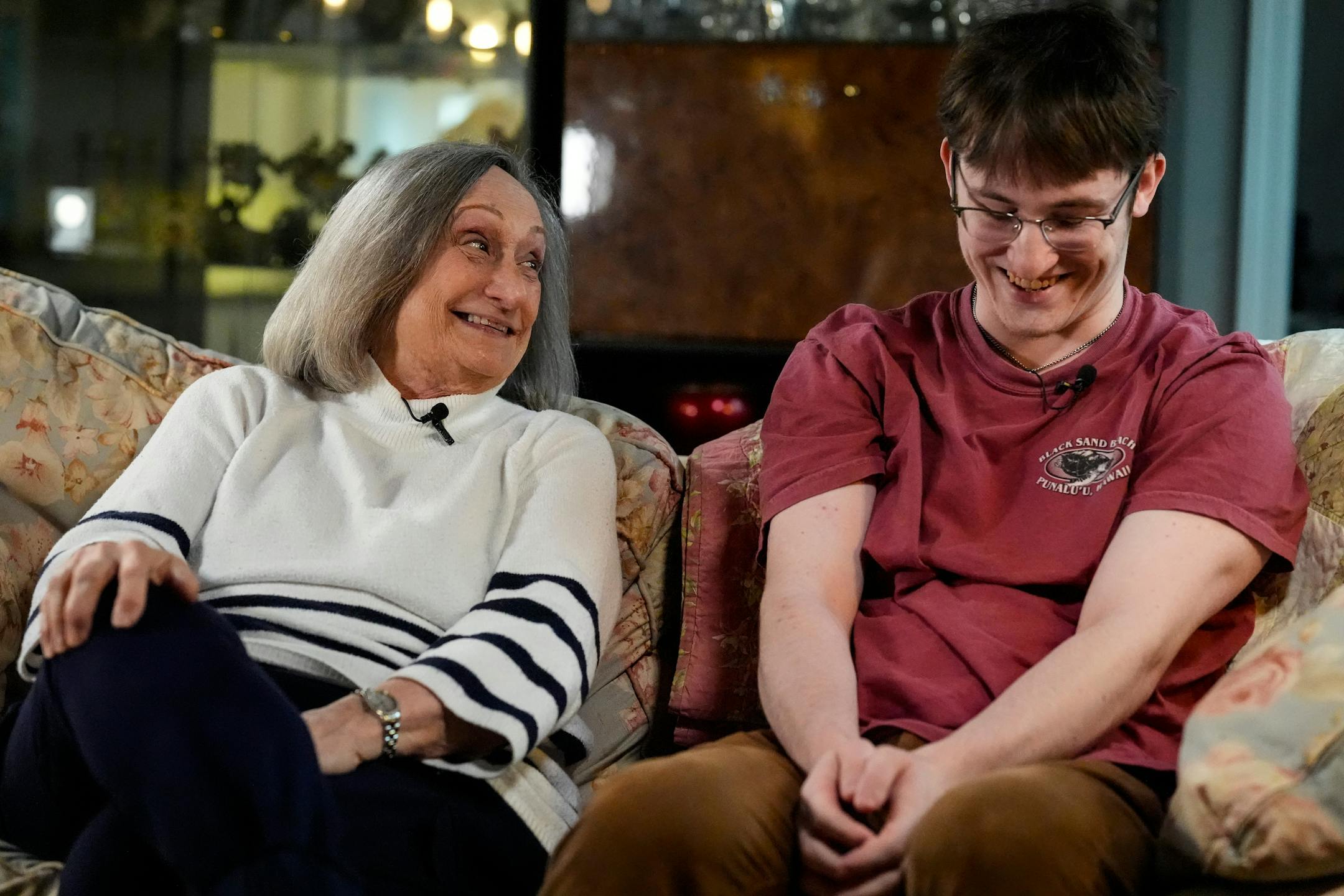
“We had rock ‘n’ roll. We were the first generation to get out and demonstrate in the streets. We were the first generation that was a socially conscious generation,” said Diane West, a metro Atlanta resident who turned 80 last month.
As they got older they became known as the “me” generation, a pejorative term coined by writer Tom Wolfe to reflect what some regarded as their self-absorption and consumerism.
“The thing about baby boomers is they’ve always had a spotlight on them, no matter what age they were,” Brookings demographer William Frey said. “They were a big generation, but they also did important things.”
By the end of this decade, all baby boomers will be 65 and older, and the number of people 80 and over will double in 20 years, Frey said.


