

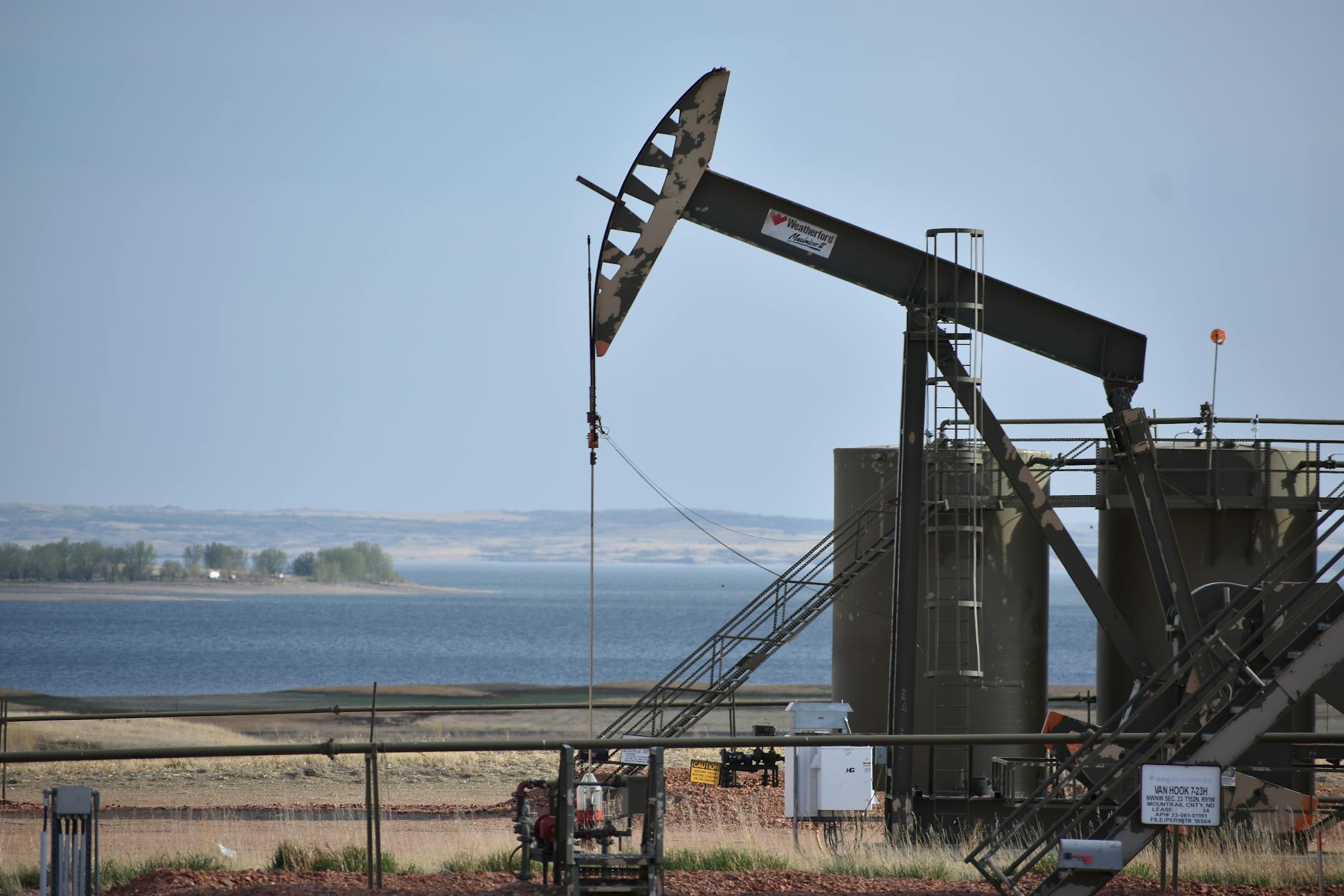
A shortage of oil-field workers is threatening the North Dakota petroleum industry's continuing recovery from the COVID-19 crisis.
That was the word Tuesday from Lynn Helms, North Dakota's mineral resources director, as the state released anemic gains in oil output for May.
Oil companies "are trying to hire with all their might, but they are not finding employees in the industry who want to come back," Helms said, referring to oil-field workers who left North Dakota after oil jobs dried up in 2020.
North Dakota pumped 1.13 million barrels of oil per day in May, up less than a half percent from April. "It was a flat as a pancake," Helms told reporters. Natural gas production was up 1% during the same time.
The lethargy was surprising, he said, given that seasonal road restrictions in the oil fields had been removed by May — and crude prices were rising as the economy grew.
West Texas Intermediate (WTI) — the benchmark U.S. oil price — stood at an average of $65.06 a barrel in May, up from $61.65 in April. WTI rallied as high as $75 last week before falling and closing Tuesday around $67.
North Dakota's drilling rig count rose from 15 to 19 from April to May. It stands at 23 today, a growth rate that Helms called "very slow." The drill rig count is an indicator of new production.
After wells are drilled, they are fracked with a high-pressure mixture of water, sand and drilling chemicals. Fracking opens fissures in shale rock, priming the well for production.


