
Advertisement

Oil and gas production rising in North Dakota, but future is murky

November 18, 2020 at 4:13AM
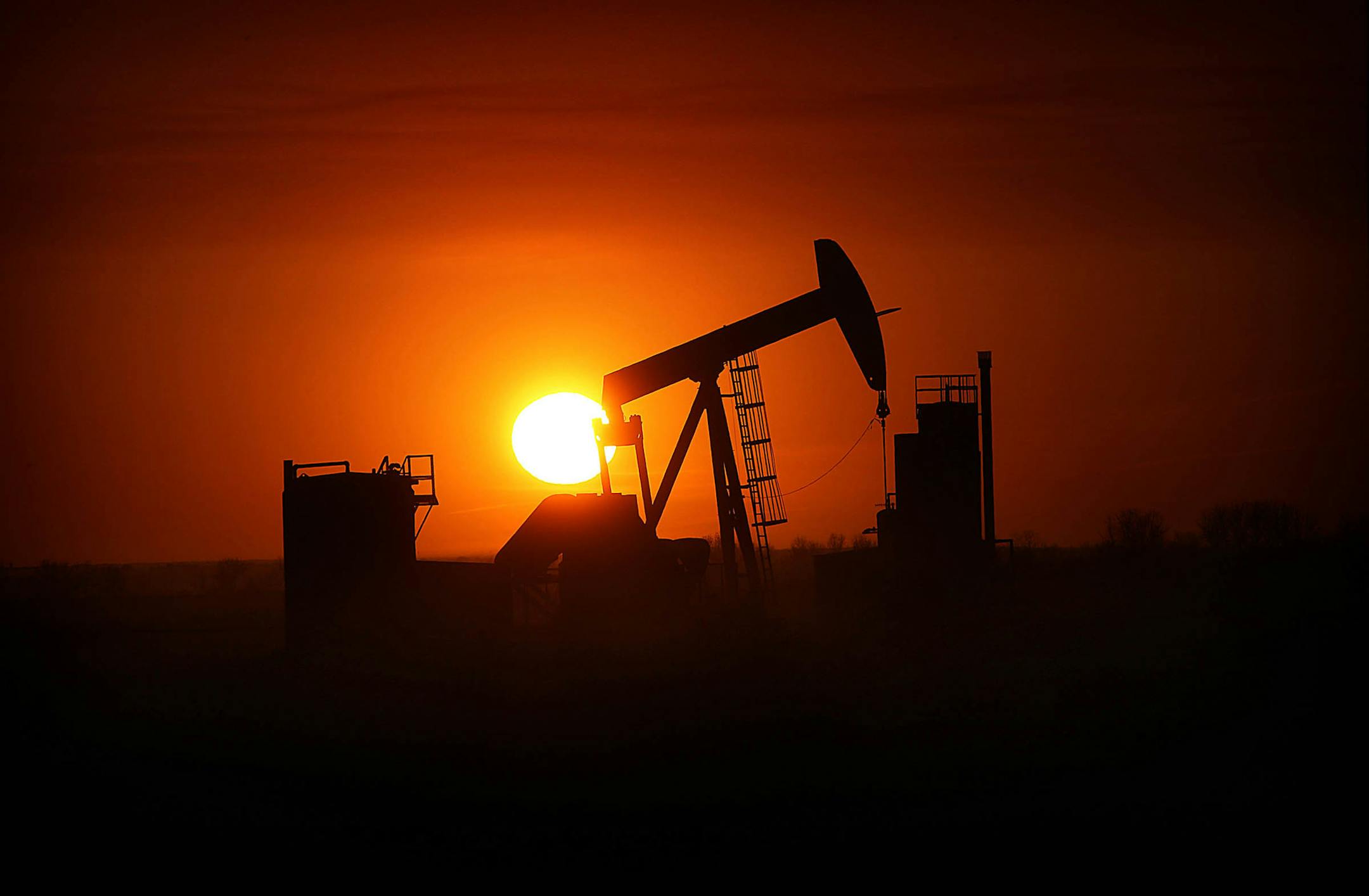
The sun set over the Bakken Oil Formation, behind an oil well near Williston in 2013. North Dakota, the nation's second-largest oil and gas producer, churned out 1.22 million barrels of oil per day in September, up from 1.17 million the previous month.
The sun set over the Bakken Oil Formation, behind an oil well near Williston in 2013. North Dakota, the nation's second-largest oil and gas producer, churned out 1.22 million barrels of oil per day in September, up from 1.17 million the previous month. (The Minnesota Star Tribune)
Advertisement

North Dakota posted a solid hike in petroleum output in September, while the industry now races to start new wells before pro-oil President Donald Trump leaves office.

Still, the oil and gas outlook in North Dakota — and the rest of the U.S. — is murky as oil prices remain depressed and COVID-19 continues to sap the economy.

"September production was up 5% on the oil side — good news there," Lynn Helms, director of North Dakota's Department of Mineral Resources told reporters Tuesday. But "this might be as good as it gets for a while."

North Dakota, the nation's second-largest oil and gas producer, churned out 1.22 million barrels of oil per day in September, up from 1.17 million the previous month. Natural gas production jumped 7% during the same time.

North Dakota's oil output hit a seven-year low in May of 858,400 barrels per day before rallying over the summer.

The recovery, though, was driven by the reopening of wells that had been shut-in during the spring when oil hit historic low prices. It has now largely played out, Helms said.

For production to keep rising, oil companies must frack new wells to compensate for old wells petering out. But oil prices are too low to spur such activity anytime soon.

In August and September, North Dakota saw a steady rise in permits for new wells, and drilling activity — while still historically low — hasn't fallen off. The trend has continued since.

Advertisement

"That is attributed to [concerns] over changing federal policy," not economics, Helms said.

President-elect Joe Biden has proposed banning oil and gas drilling on federal lands. Almost one-quarter of North Dakota's oil lands could be "severely impacted" by a federal drilling moratorium, Helms said.

Hence, the rush to get new permits and drill new wells on federal land. However, even after a well is drilled, oil producers aren't likely to turn on the spigot until oil prices rise appreciably.

And Helms noted that federal energy forecasters don't see oil demand returning to 2019 levels until 2022.

Mike Hughlett • 612-673-7003

about the writer

about the writer

Mike Hughlett

Reporter

Mike Hughlett covers energy and other topics for the Minnesota Star Tribune, where he has worked since 2010. Before that he was a reporter at newspapers in Chicago, St. Paul, New Orleans and Duluth.

See Moreicon

More from Business

See More
Todd Geselius, vice president of agriculture at the Southern Minnesota Beet Sugar Co-op, shows what a sugar beet looks like when it is harvested in the field on Sept. 9, 2015 in Renville, Minn. (Jim Gehrz/Minneapolis Star Tribune/TNS) ORG XMIT: 1175088 ORG XMIT: MIN1510142301350530
The Minnesota Star Tribune

Some say the MAHA movement and GLP-1 drugs hurt sugar beet farmers. The White House is blaming former President Joe Biden.

card image
card image
Advertisement