

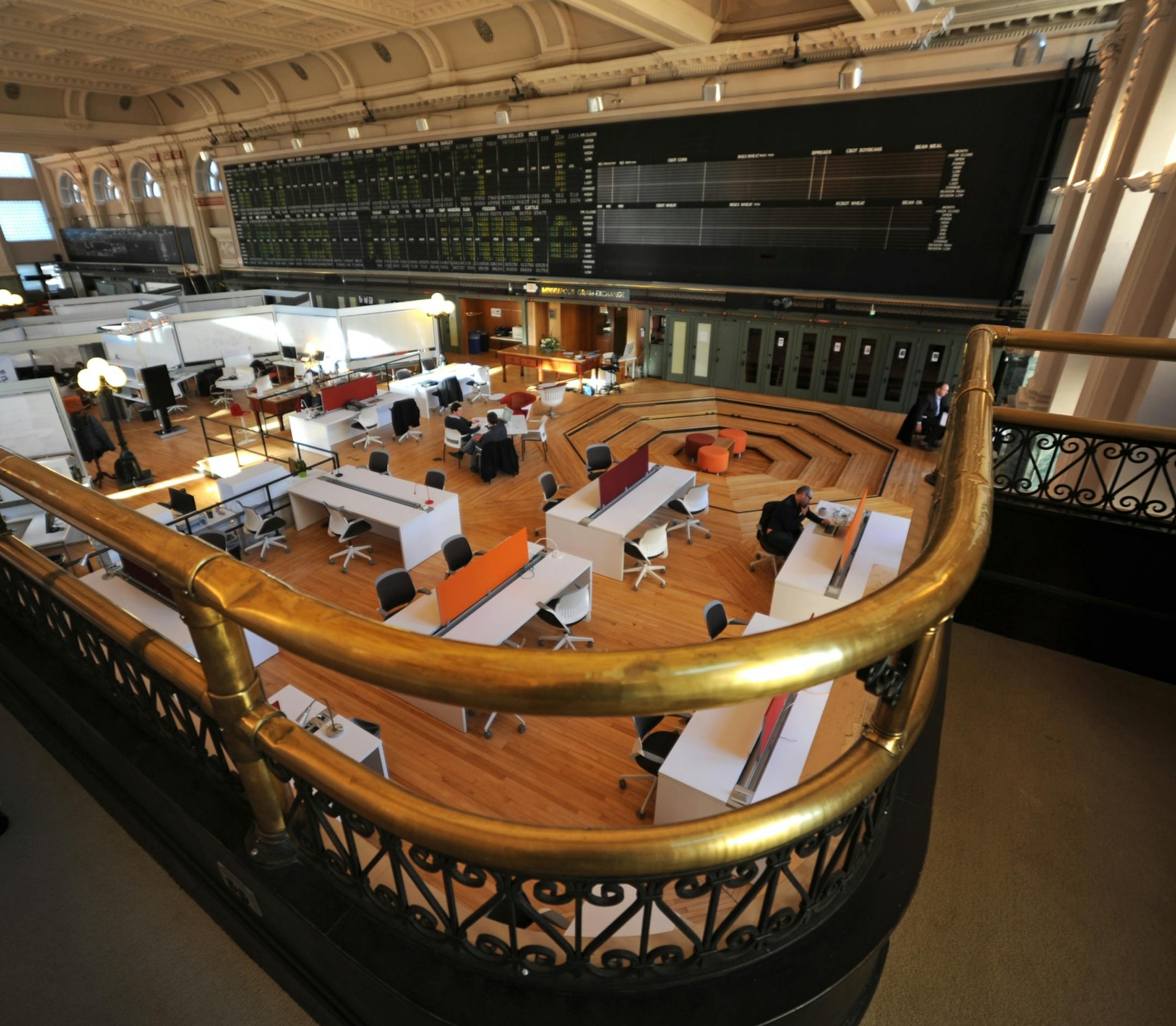
That highly coveted corner office may just be more passé than powerful.
Just ask today's twentysomething workforce.
Thanks to profound social and economic changes brought on by the Internet, millennials are reshaping the so-called office. They want to do away with the hierarchical layouts of the past and build collaborative spaces where they can rub elbows with clients and colleagues.
Thomas Fisher, dean of the University of Minnesota's College of Design, told a gathering of commercial building owners last week that millennials actually see privacy as a negative. In fact, by 2025, "the office" as we know it will probably be gone, he predicted.
"The idea of the separate office as a private piece of real estate that you must have is going to disappear very quickly with this generation," Fisher told the Commercial Real Estate Development Association (NAIOP). "How they use space flips what we have today: Most of an office will be open, flexible and fluid in its use, with only occasional need for private spaces."
Not only is there a preference for shared spaces, a good chunk of millennials will perform their work off-site, either from home or elsewhere.
The transformative power of the Internet on how young workers will do their jobs has, if anything, been underestimated, Fisher said. The online world has become the "real" world for them -- so much so that the distinctions between home, leisure and work spaces are becoming meaningless, he added.
That's being reflected in the millennials' preferences for live-work hybrid spaces that combine not only apartments and offices but also small manufacturing functions, made possible by advances in Internet-based 3-D printing.



