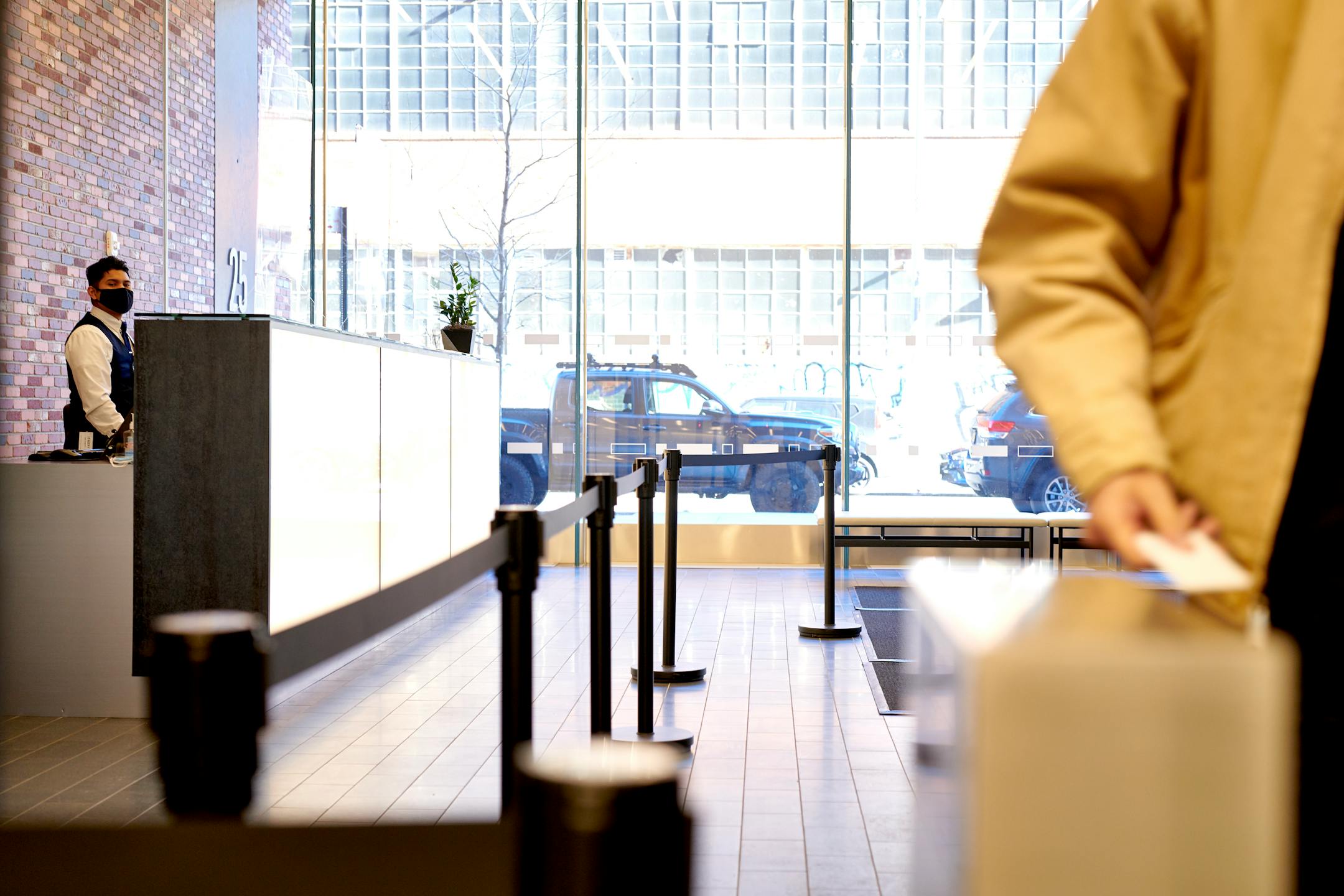
After Sept. 11, the lobbies in many U.S. office buildings permanently changed as landlords beefed up security, adding cameras, turnstiles, programmable elevators and other technological tools. All who entered were required to have identification, and guards recorded who came and went.
Now, as pandemic restrictions ease and workers begin to trickle back into the office, the lobby is changing again, this time with an emphasis on health and safety. But the changes are subtle, and they are primarily meant to ease the flow at the turnstile.
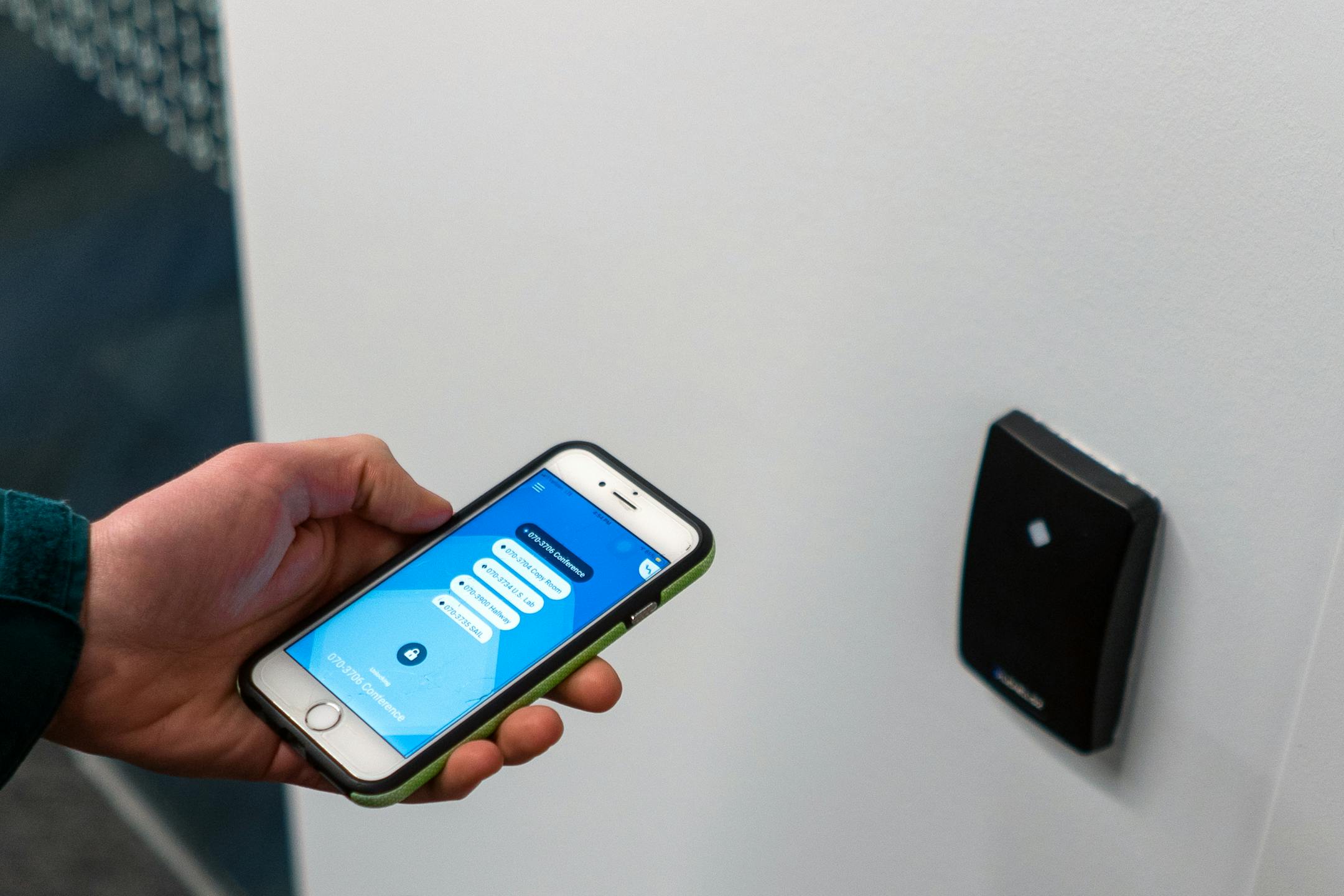
Most notably, mobile applications tied to building security or operating systems are replacing plastic ID badges for workers and the check-in process for visitors. The goal is to digitally connect anyone entering the building while minimizing direct contact. Body scanners and air sensors are expected to become more prominent in the future.
Unlike the extra security measures of the post-9/11 world, which were plain to see, the latest changes will go largely unnoticed, said Jurgen Timperman, president of fire and security at Carrier Global, a provider of building operating systems based in Palm Beach Gardens, Florida.
"With these applications, we have all the information we need about someone before they get to the building," he said. "So the days where somebody sits behind a desk with a big book and pen are all but over."
Building apps allow users to upload identification and other credentials, like their vaccine status, and offer the flexibility to add functions like health questionnaires that prescreen employees or visitors before their arrival. The apps can also track users throughout a building, which can help companies use space more efficiently or close areas to reduce occupancy.
Vendors are tight-lipped when it comes to how much building systems cost, as are the landlords who have installed them. One problem, they say, is that price varies with a building's size and layout and the number of people, sensors and functions on the system.
The behind-the-scenes overhaul of security systems is catching on in office buildings and even at universities. Students and faculty at the Rochester Institute of Technology in upstate New York, for example, use a system from Carrier for mobile entry to buildings on campus.