Calling on any nation to repudiate its history is asking a lot. Asking this of the United States — a country that is animated, more than most, by its great national myths — may be asking the impossible.
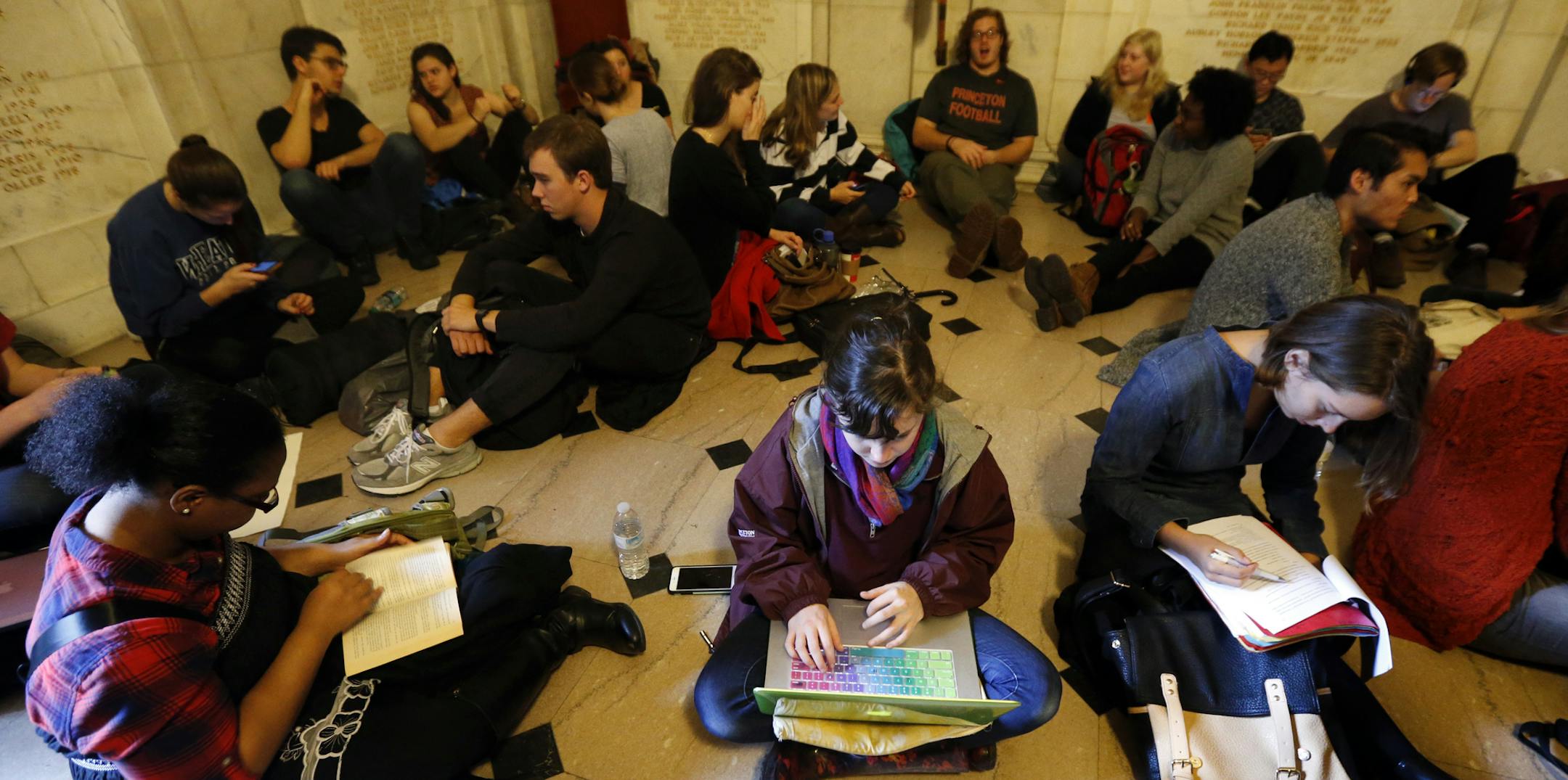
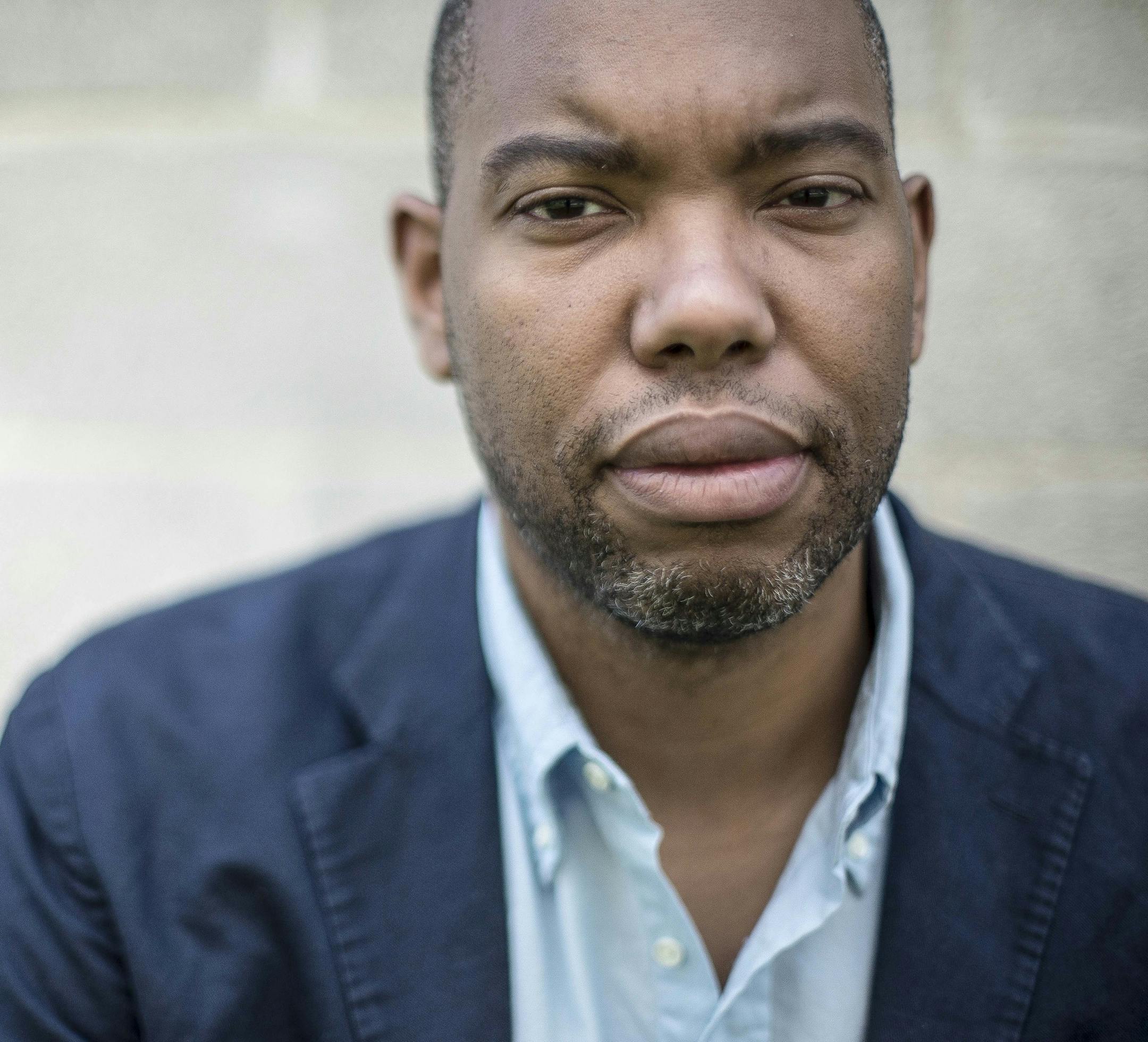
This was the thought that stayed with me after reading Ta-Nehisi Coates's "Between the World and Me" earlier this year. Protests at Princeton recently demanding a new name for the Woodrow Wilson School turn on the same issue, as do many similar recent controversies. The charge is that the U.S. is much further than it thinks from coming to terms with its racist past.
According to Coates, slavery wasn't just a blemish on an otherwise grand and inspiring history. He argues that racism has been the organizing and enabling principle of the entire American project. Facing the truth about the past isn't just a matter of intellectual honesty, he says. There can be no hope of social justice today or tomorrow unless the essentially depraved character of the American enterprise is finally acknowledged. That's the claim: Denial of history perpetuates denial of justice.
Reverence for Woodrow Wilson, which demands willful blindness to his views on race, illustrates the issue. Typically seen as a visionary American progressive, champion of the League of Nations, intent on making the world safe for democracy, Wilson was also dedicated to racial segregation and wrote of Reconstruction: "The white men of the South were aroused by the mere instinct of self-preservation to rid themselves, by fair means or foul, of the intolerable burden of governments sustained by the votes of ignorant negroes."
It isn't hard to see why black Americans (and not just black Americans) might be offended by the thought of honoring such a man. You could argue that Wilson was many good and great things besides being a racist. But you could also say, that's beside the point — the U.S. can't transcend its racist history and become the postracial society it thinks it wants to be until it can face the ugly facts about its past as squarely as the facts it wants to celebrate.
There's something to this. What's striking about Wilson is not that his racism is excused too casually, but that it's barely even acknowledged. To be reminded of uncomfortable truths, or to be made to see them for the first time, is valuable. But once the facts have been faced, what then? Is it necessary to disavow the men who built America, or is it enough to understand them more fully? Jefferson owned slaves. Does social justice require the Jefferson Memorial to be dismantled? Washington owned slaves. Might it be necessary to rename the capital?
The uprooting of history is an especially difficult thing for the U.S. Old countries, grounded for good or ill in ethnic and sectarian identity, are bound together whether they like it or not, while political dispensations come and go. Germans could wholly repudiate their Nazi history and still be Germans. The American project is self-consciously founded on a political commitment, a kind of invented, self-willed identity. If the country disowned that — a new Year Zero in America — what would be left?
For a country so strongly attached to mythic origins and heroes, the U.S. has proved incredibly adept at reinvention. So I wonder if the black-justice advocates are too pessimistic. Despite the cognitive dissonance about U.S. history, the reluctance to face facts, there's been great progress.