

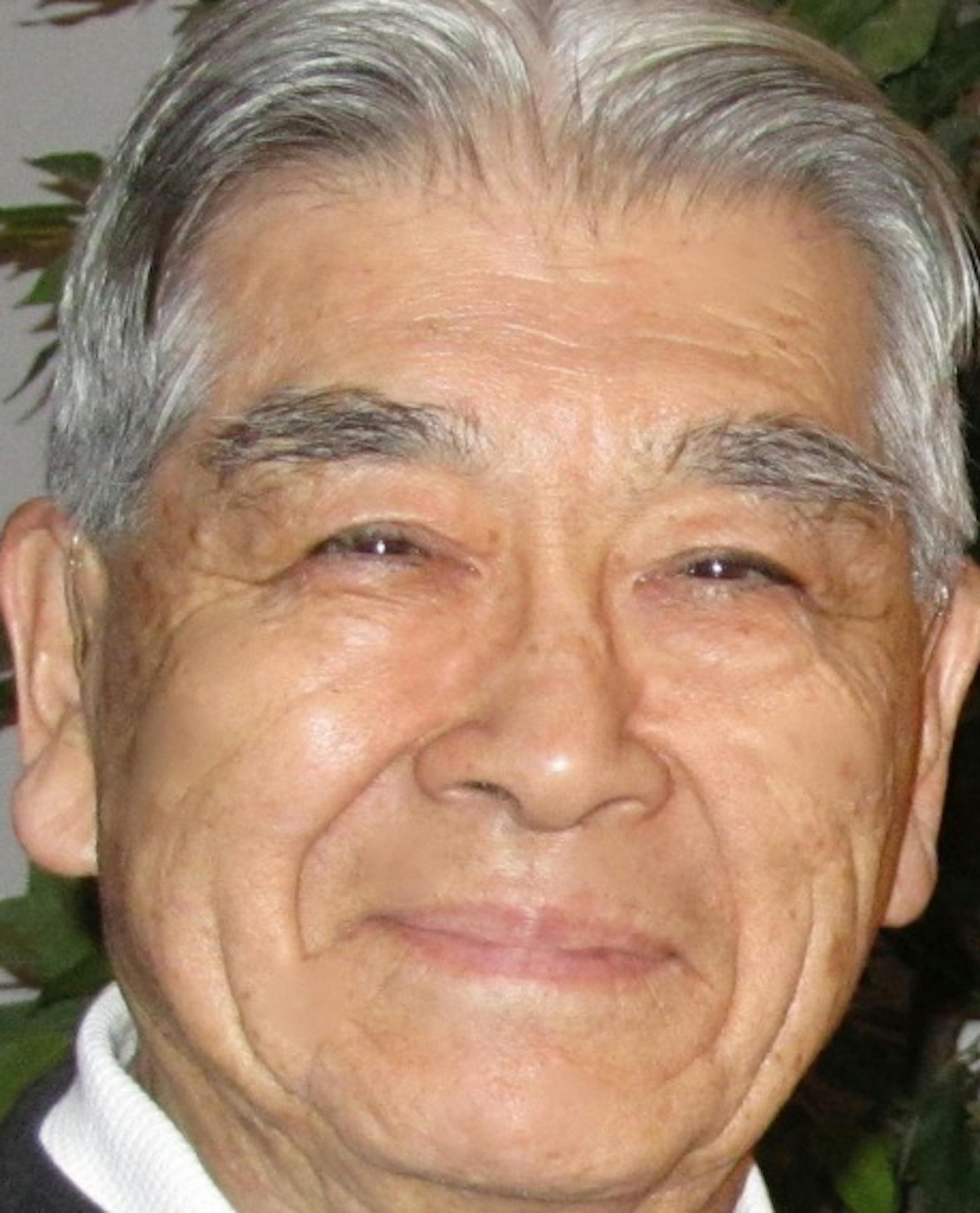
There's a Japanese saying, shikata ga nai, that essentially translates to "accept it, for you can't do anything about it."
Isao "East" Oshima used that phrase to guide his long life. He endured forced relocation to an internment camp during World War II, only to be rejected by his would-be neighbors in south Minneapolis. Still, he smiled through it all, his family said. Oshima died May 24 at the age of 95.
Oshima was born in Berkeley, Calif., in 1921, the oldest of eight children. The family moved frequently around the Bay Area, following jobs in nurseries. Oshima, who contributed to the family income, was the only sibling not to graduate from high school.
In 1942, after the United States entered World War II, the Oshimas were sent to a West Coast holding camp for Japanese-Americans. Housed in a former racetrack, the family lived with thousands of others in dirty stables. Then, with just one suitcase each, they were sent to Topaz, an internment camp in the desert of central Utah, where his father worked inspecting toilets. One by one, family members made their way out of the camp. It took Oshima nine months to get out by securing a job at a foundry in Cleveland.
His sisters made it to the Twin Cities, and when Oshima visited, he never left. He got a job at Thermo King Corp., and stayed there for 43 years. As more of his family members made their way to the Twin Cities, Oshima provided for them.
"He really became the financial center of the family," said Don Oshima, Isao's brother.
It was at Thermo King that Oshima picked up the nickname "East," which his colleagues found easier to pronounce than Isao.
In 1958, Oshima tried to buy a home in south Minneapolis for his family, including his mother and siblings. The uproar from the neighbors was so severe that Oshima withdrew his offer. One neighbor "said he had fought the Japanese during the war and was not going to tolerate one next door now," the Minneapolis Tribune reported at the time.


