

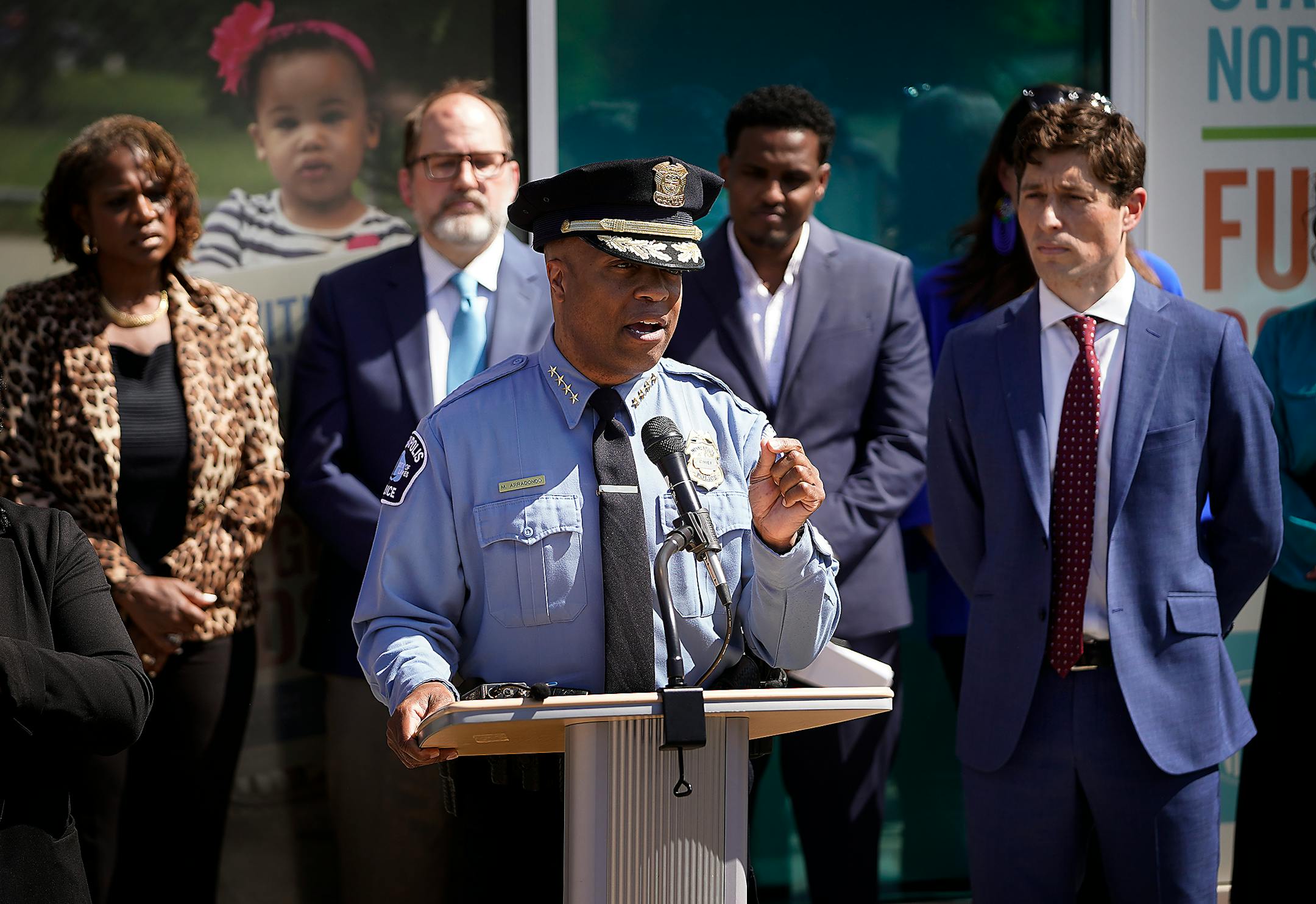
The voters have spoken: The proposal to reorganize the Minneapolis Police Department into a Department of Public Safety will not be adopted at this time. But the ongoing concerns about public safety and police accountability have not been resolved; the issues that inspired City Question 2 face us still. And yet, we have opportunity.
Now that the contentious campaign is over, the most important thing for us to figure out is what we agree on when it comes to police reform and to make it a reality, quickly. As I wrote in this paper on Sept. 26, everyone I spoke to in the run-up to the election wanted to see significant reform in policing, regardless of how they planned to vote on the charter amendment.
The lives and livelihoods of people in every neighborhood of our city and of police officers depend on our figuring out how to move our city forward, rather than just retreating into our corners to prepare for the next fight.
So how can we move forward? We can take the best of the core ideas behind Question 2 and actually put them into practice. The organizing principle of the charter amendment was to tie together traditional policing with public-health safety strategies, such as sending violence interrupters or mental-health professionals to calmly defuse situations that do not require armed response. (What if this had happened for George Floyd?)
These strategies have been proven in other cities to prevent and reduce crime and increase safety and community trust. These strategies also make police officers' jobs easier and safer by no longer requiring them to respond to situations that they are not trained to handle. They make all of us safer by allowing armed police to focus on their core duties of intercepting, responding to, and solving the most violent crimes, where we need officers most.
This remains a good idea — so much so that the mayor announced late in the campaign that he now supports creating a comprehensive Department of Public Safety that includes police, the core idea behind Question 2. The mayor and the current City Council can also immediately start collaborating to craft a 2022 city budget that enshrines the priority of integrating fighting crime with violence prevention and funds other efforts to deliver both more safety and more trust for the people of every neighborhood.
When it comes to disciplining misconduct, leaders can restore a measure of trust and accountability by reinstating the requirement that misconduct be disciplined, by imposing more transparency on the process of discipline, and by moving aggressively to wrest more control over the disciplinary process from the police union.
What will happen if we do not take this opportunity? We will still have the same problems with policing in Minneapolis. We learned recently that some officers were caught on tape deliberately "hunting" peaceful protesters with rubber bullets. We learned recently that the department withheld evidence of misconduct in a criminal trial and quietly removed the requirement for discipline in cases of misconduct. We learned recently that the city's self-insurance fund is deeply in the red, in part because of multimillion-dollar settlements for police behavior. We learned recently that some officers are on a deliberate work slowdown while neighborhoods suffer from a dramatic spike in violent crime.


