

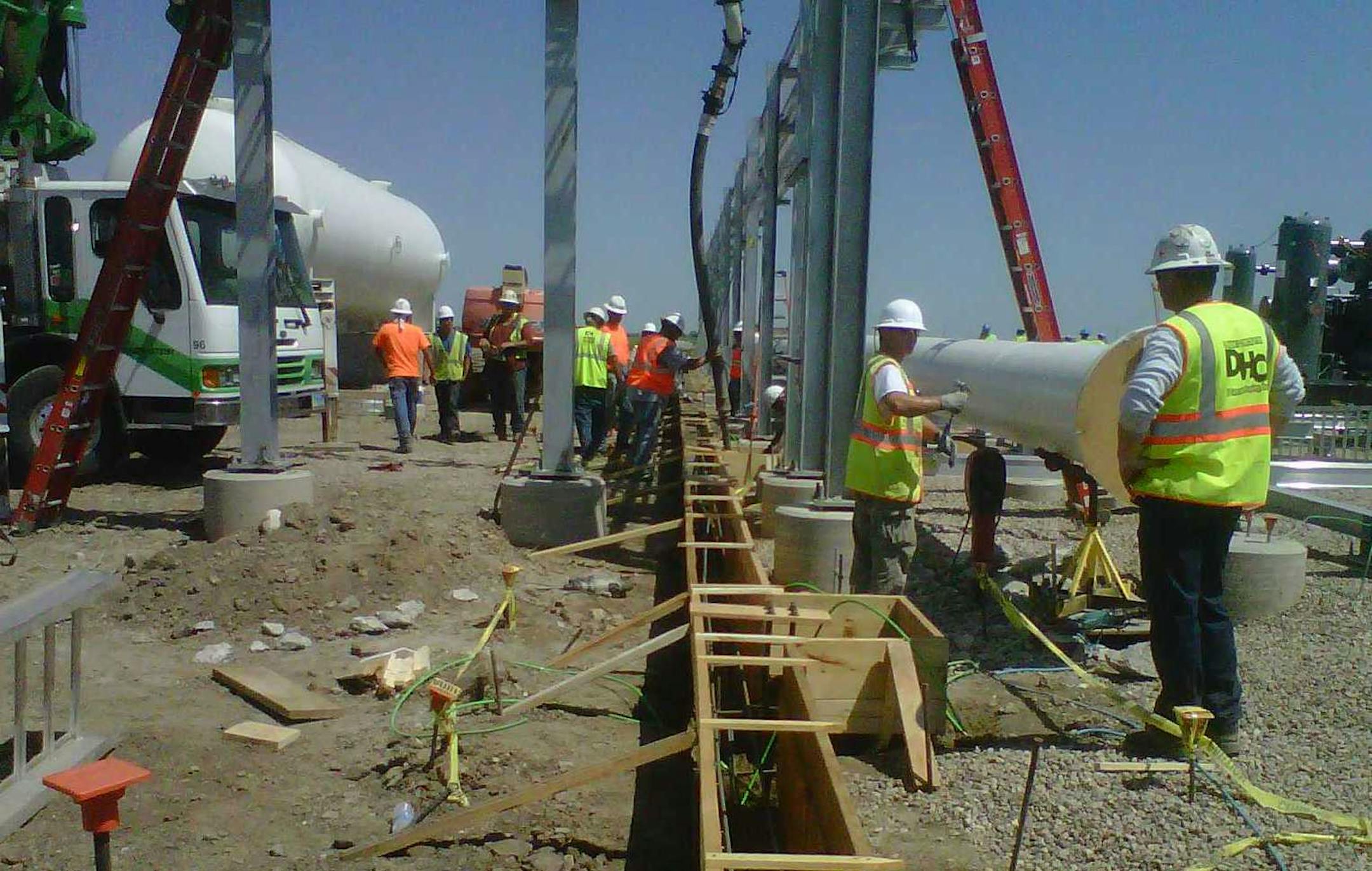
St. Paul industrial contractor Corval Group, which barely survived the Great Recession, is a good example of how Minnesota companies are profiting from the North Dakota oil bonanza while we avoid the boom's messy downsides.
North Dakota has turned into an energy mecca that has delivered state budget surpluses, the nation's lowest unemployment rate and thousands of workers who get $15-an-hour-plus jobs in restaurants and convenience stores that serve $30-an-hour oil field and construction laborers who hail from across the United States.
But unless you're a land or business baron, apartment mogul or bar owner, a boom also can be a community bust that tramples over zoning laws and local sensibilities.
"All these 18-wheelers wear down the roads that were not built for them," said Nancy Carlson, a registered nurse, mother and 30-year homeowner and community volunteer in tiny Tioga, N.D. "We had to build a new water tower and tore up our streets for new water mains. We were awarded $10 million by the Legislature last session, but we need an estimated $26 million for basic infrastructure.''
Corval Group, founded in St. Paul in 1921 as a family-owned heating-and-plumbing company, hopes to help with that infrastructure.
"We see ourselves as part of the solution to bringing energy to market in an environmentally responsible way,'' said CEO Paul Jordan. "The refineries, roads, bridges and other infrastructure … will help the communities and be the sustainable stuff that will help people stay in North Dakota. For us, that's exciting. And that's what they want."
Corval is developing North Dakota's first refinery with American Indians on tribal land in Makoti, N.D. Over the next several years, Corval and other contractors will build a $515 million facility that will produce diesel and gasoline fuels for an oil-rich state that now has to import refined products.
The Minneapolis Federal Reserve Bank, whose region includes North Dakota, reported about the oil boom that the state's spending will increase by 70 percent over the 2013-15 period, to $6.9 billion. Yet critics say that's short of what hard-pressed localities need as small-town populations surge, taxing services from public safety to sewage treatment facilities.


