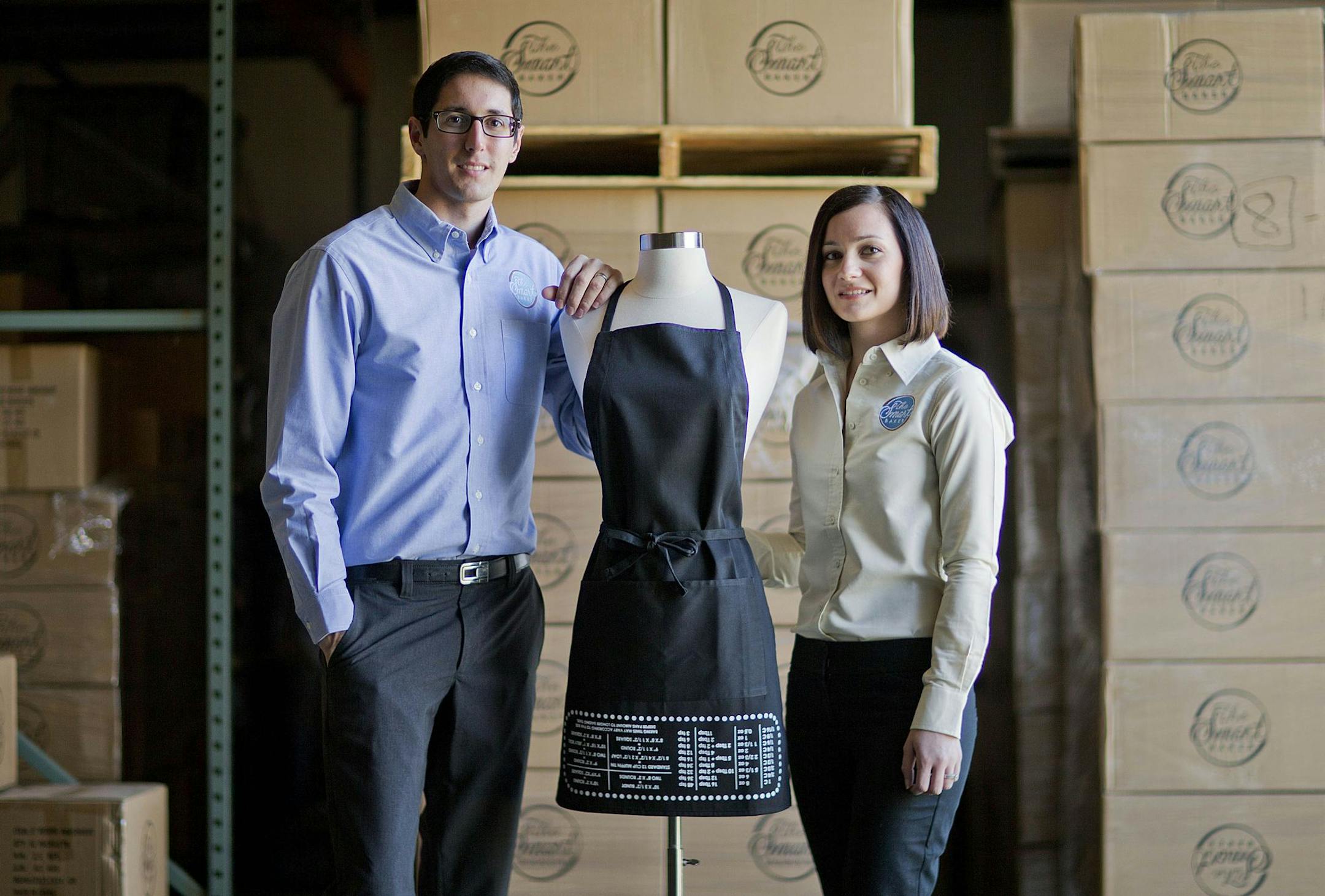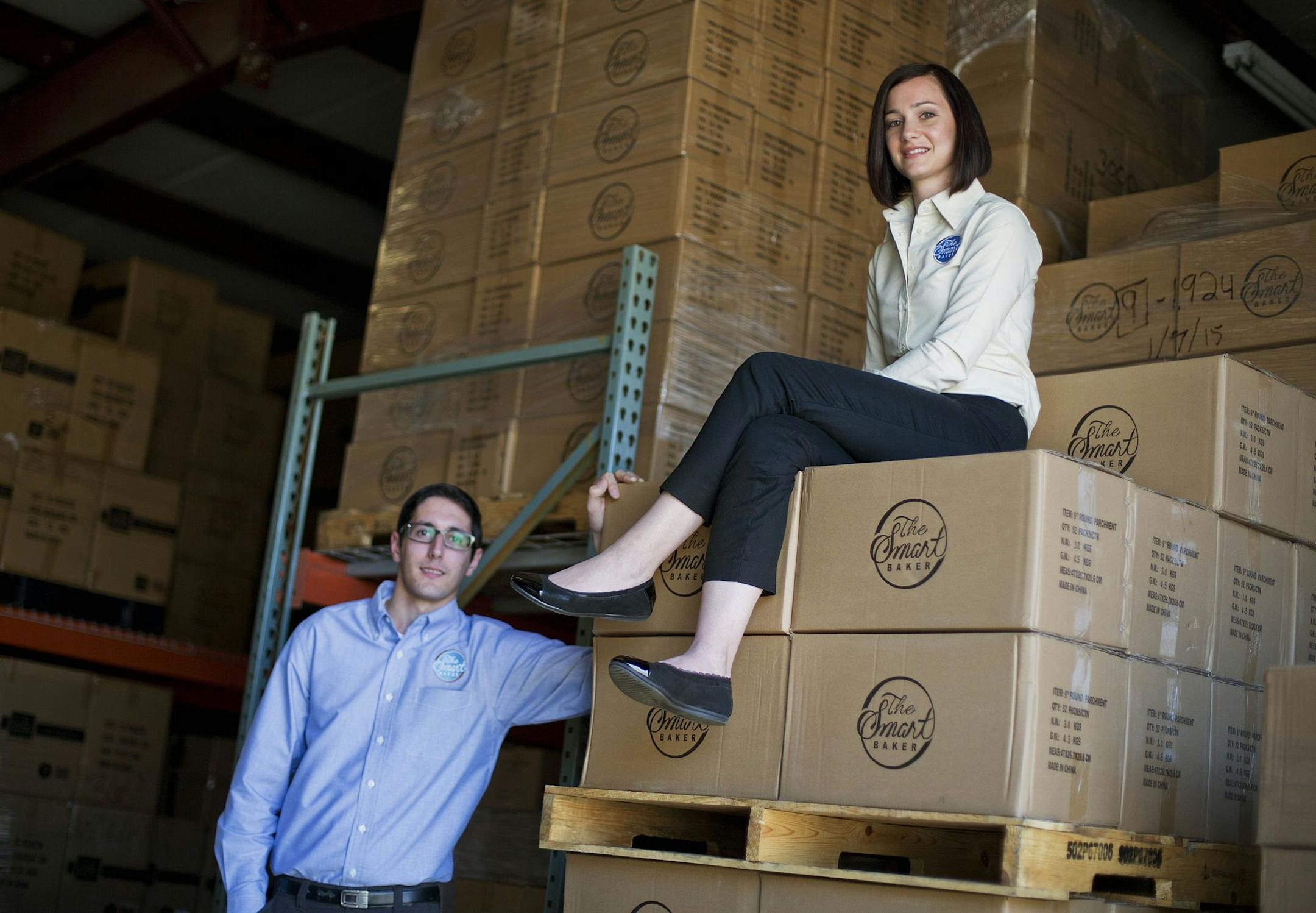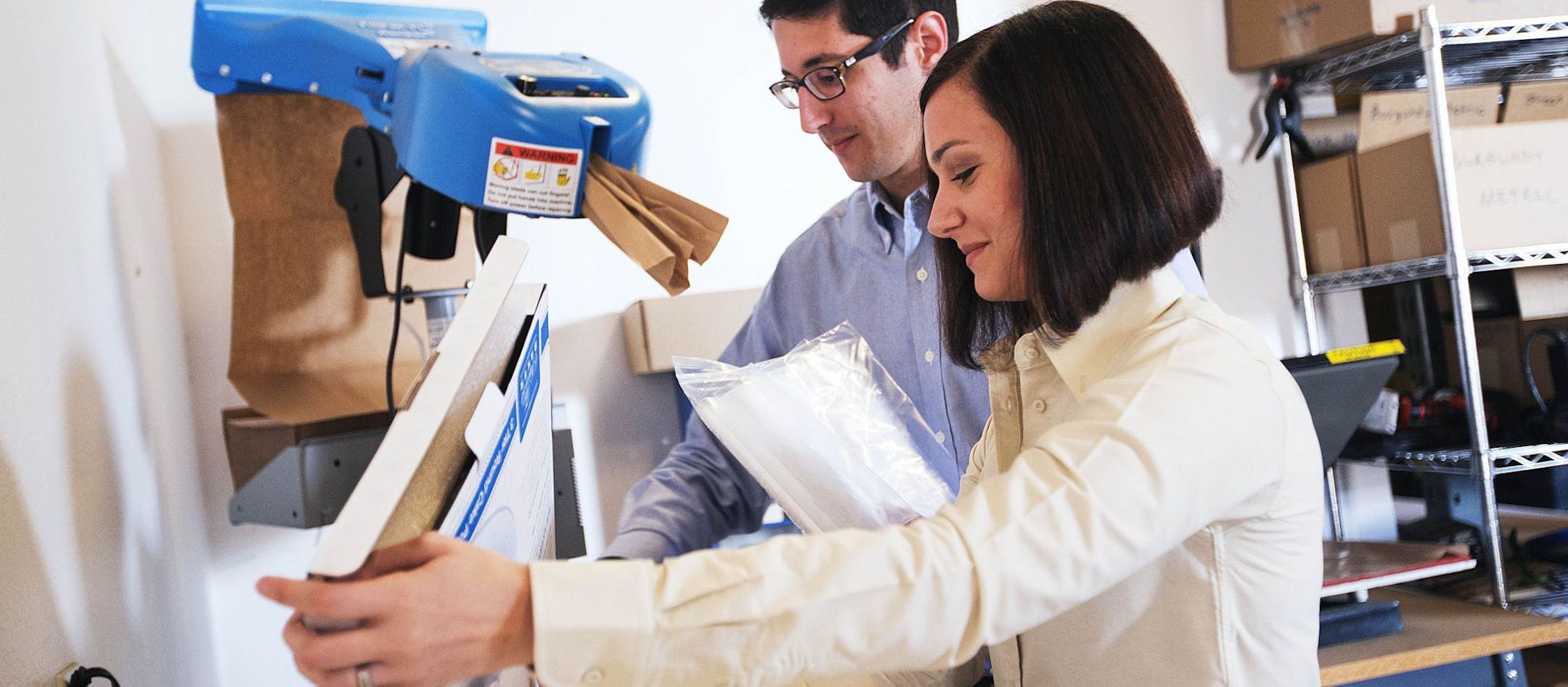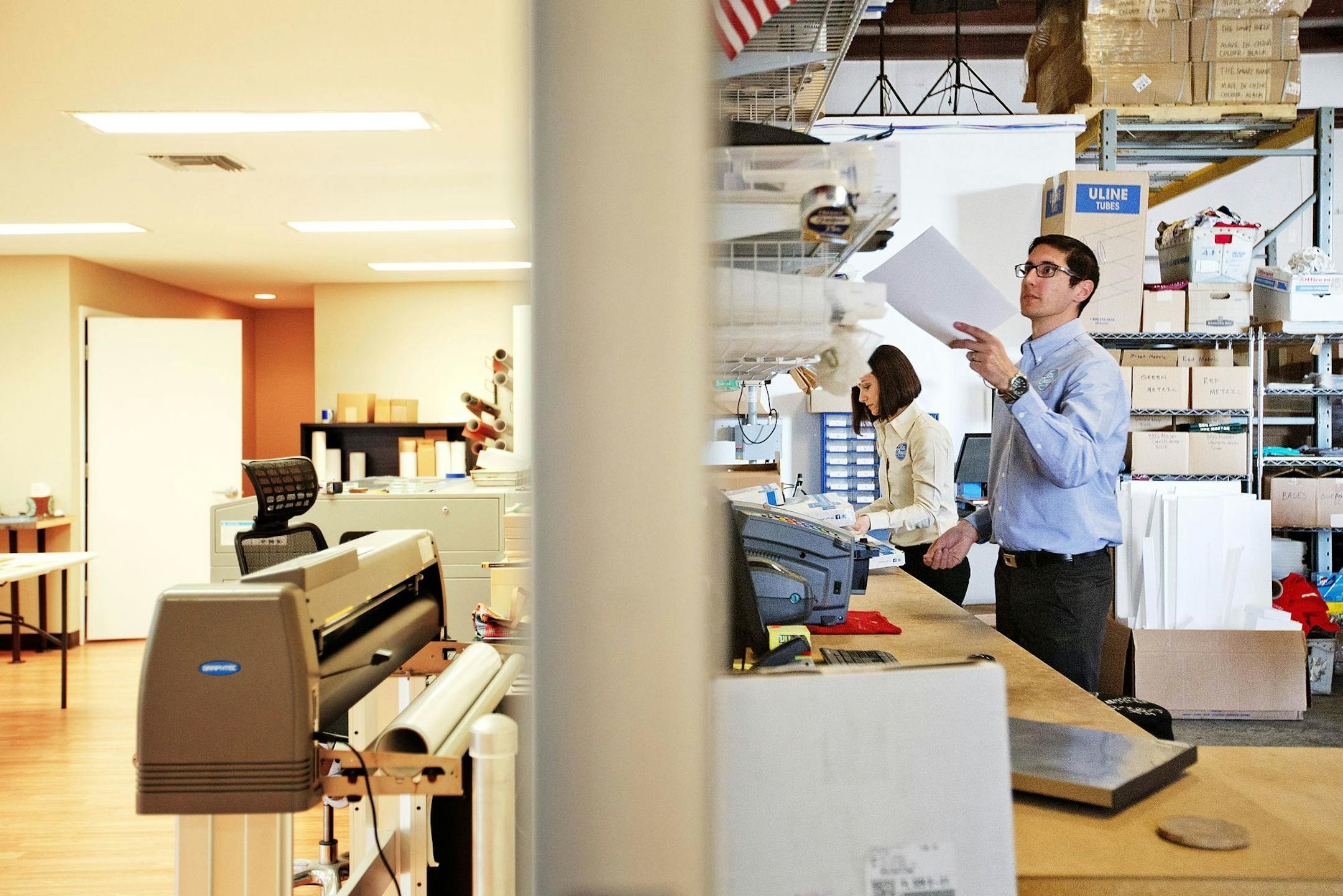
With the cameras rolling, Daniel and Stephanie Rensing accepted an offer from a "Shark Tank" investor. But after they had time to think about it, they changed their minds.
Annual revenue for their company, the Smart Baker, is close to $1 million, up from $130,000 before their March 2012 appearance on the ABC reality TV show.
"Not doing the deal and having that exposure was probably the best scenario for us," says Daniel Rensing, CEO of the Rockledge, Fla., company that sells aprons, parchment paper and other baking equipment.
Dreams of investor money have induced more than 150,000 businesses to apply to be contestants on "Shark Tank," where entrepreneurs pitch to cast members including Barbara Corcoran, founder of a prominent New York real estate brokerage; Daymond John, founder of the clothing company FUBU; and Robert Herjavec, founder of the technology conglomerate Herjavec Group.
Entrepreneurs may be all smiles when they get an offer on the show, but the deals aren't set in stone. Negotiations start soon after episodes are taped. Contestants can walk away if they don't like the terms.
"When we shake hands on a potential deal on 'Shark Tank,' the romance runs high and everyone's excited about what could be," Corcoran says. "In the end, the entrepreneur is in charge."
During the first five seasons, 374 contestants appeared on TV and investors made 190 offers, according to ABC. Forty-eight contestants turned down offers during taping, executive producer Clay Newbill says. They haven't tracked how many deals fell apart during negotiations.
The producers ask entrepreneurs and investors to make their best efforts to close deals, Newbill says.